Table of Contents
- Start by Simplifying Your Space—Without Sacrificing Personality
- Choose Furniture That Supports Comfort and Independence
- Shift Toward Low-Maintenance Materials and Surfaces
- Use Smart Storage Systems That Reduce Daily Effort
- Prioritize Proper Lighting for Comfort and Clarity
- Make Your Home Layout Work With Your Lifestyle
- Incorporate Soft Textures to Add Warmth Without Added Upkeep
- Bring Nature Inside With Low-Maintenance Plants
- Embrace Simple Routines That Keep Your Home Feeling Fresh
- Add Comfort Features That Bring Ease to Everyday Living
- Choose Décor That Brings Joy Without Adding Work
- Final Thoughts: A Home That Supports You Is the Ultimate Comfort
How to Create a Comfortable, Low-Maintenance Living Space as You Age
As life gets busier and physical needs shift, the idea of a home that feels both comforting and easy to manage becomes increasingly important. A low-maintenance living space isn’t just about minimizing chores—it’s about creating an environment that supports your routines, reduces stress, and lets you enjoy your home without constant upkeep. The good news is that building this kind of space doesn’t require a full remodel. With thoughtful choices in layout, materials, décor, and organization, you can design a home that feels peaceful, practical, and timeless.
Aging doesn’t limit your options; it simply encourages smarter, more intentional design. Here’s how to create a home that works with you instead of adding extra work.
Start by Simplifying Your Space—Without Sacrificing Personality
Decluttering isn’t about getting rid of everything you love—it’s about making room for what matters most. As you age, maintaining a low-clutter environment becomes especially helpful because it reduces both cleaning time and physical obstacles. Instead of filling every surface with décor, choose a few pieces that make you happy and let them shine.
A simplified space also helps reduce visual stress. Clean lines, open pathways, and intentional décor contribute to a feeling of calm. The goal isn’t minimalism—it’s clarity. You want a home where everything has meaning and nothing feels like a chore to maintain.
Choose Furniture That Supports Comfort and Independence
Furniture plays a huge role in your daily comfort. As mobility changes, pieces that once worked perfectly may start feeling awkward or tiring. Choosing supportive, easy-to-use furniture can make a home feel better instantly.
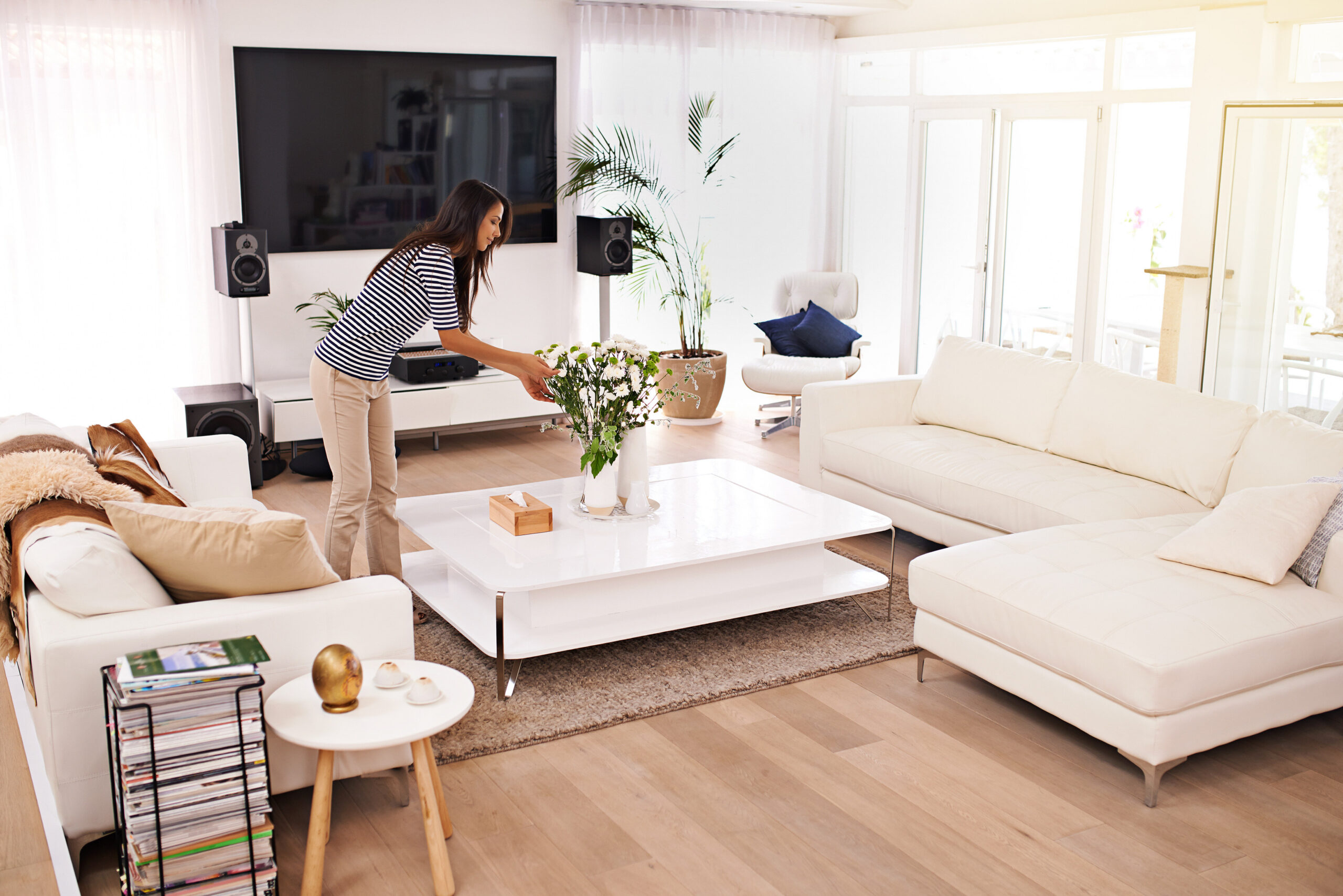
Look for chairs with firm cushions and armrests that help you sit and stand comfortably. Sofas with supportive backs, higher seat heights, and durable fabrics make lounging easier without requiring constant fluffing or cleaning. Avoid overly low furniture, which can strain knees and hips. Selecting sturdy side tables, adjustable lighting, and ergonomic seating also supports long-term comfort.
Good furniture doesn’t just look nice—it makes every movement in your home easier and safer.
Shift Toward Low-Maintenance Materials and Surfaces
One of the best ways to create an easy-care home is by choosing materials that naturally resist mess, wear, and constant upkeep. This simple shift can cut cleaning time dramatically.
For example, washable, smooth surfaces like quartz countertops are easier to maintain than porous stone. Flooring choices like luxury vinyl plank or laminate offer the look of hardwood without refinishing requirements. Area rugs made of indoor-outdoor fabrics or low-pile materials resist stains and are easier to vacuum.
In bathrooms, choose shower walls or surrounds that are grout-free to avoid scrubbing. In kitchens, matte finishes show fewer fingerprints and streaks. When the materials do more of the work, you spend less time managing them.
Use Smart Storage Systems That Reduce Daily Effort
As you age, bending, stretching, or lifting heavy items can become more challenging. Thoughtful storage makes everyday tasks smoother and reduces unnecessary strain. Keeping essentials at waist to shoulder height reduces the need for constant bending. Drawer inserts, pullout shelves, and divided organizers keep everything visible without digging.
Storage doesn’t have to be complicated—in fact, the simpler the better. Baskets, lidded bins, and labeled containers help maintain order with minimal effort. Open shelving near frequently used areas also reduces the need to constantly open and close heavy cabinets.
A good storage system isn’t only about organization—it’s about preserving energy and making movement easier throughout the day.
Prioritize Proper Lighting for Comfort and Clarity
Lighting is one of the most powerful ways to improve both comfort and safety. As vision changes, dark corners or shadowy hallways can become frustrating or even hazardous. Improving lighting doesn’t require rewiring; many solutions are plug-and-play and take just minutes to set up.
Place floor lamps or table lamps in areas where you read or relax to reduce eye strain. Add night-lights or motion-sensing lights in hallways, bathrooms, and entryways to make nighttime movement safer. Opt for LED bulbs with warm tones for cozy living spaces and cool tones for task-oriented areas like kitchens.
Good lighting doesn’t just illuminate your home—it improves how you feel in it.
Make Your Home Layout Work With Your Lifestyle
A home becomes more comfortable when its layout supports your habits instead of working against them. That might mean rearranging furniture to create wider pathways, placing frequently used items within easy reach, or adjusting room layouts to allow smoother movement.
For example, keeping the coffee maker, mugs, and supplies grouped together streamlines your morning routine. Moving your reading chair closer to natural light makes relaxing easier. Rearranging a bedroom to reduce nighttime obstacles improves safety and peace of mind.
A thoughtful layout empowers you to move confidently and comfortably throughout your space.
Incorporate Soft Textures to Add Warmth Without Added Upkeep
A cozy home doesn’t require complicated décor. Soft textures—like throw blankets, cushioned seating, and plush pillows—add warmth and comfort while still being easy to maintain. Machine-washable fabrics, removable pillow covers, and moisture-resistant rugs offer comfort without the cleaning hassle.
Choose quality over quantity: a few well-placed cozy touches often look more refined and welcoming than multiple layers of décor. Comfort should be felt, not forced.
Bring Nature Inside With Low-Maintenance Plants
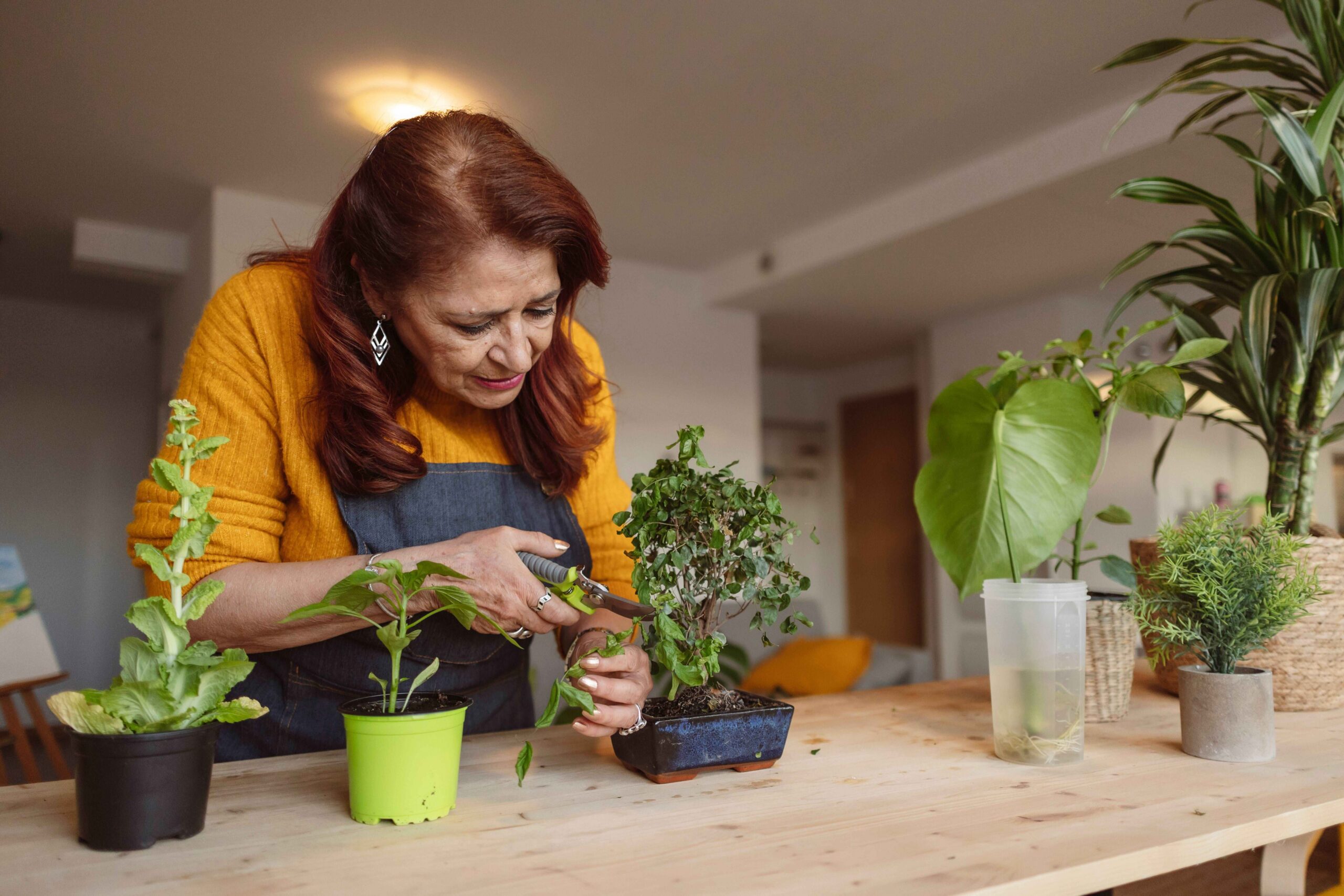
Indoor plants improve mood, add color, and bring life to any home. But not all plants require daily care. If you want the benefits without the work, choose varieties that thrive with minimal watering and indirect light.
Snake plants, pothos, ZZ plants, and dracaenas are excellent choices. They purify air, grow slowly, and adapt easily to different environments. Place them in lightweight, easy-to-clean planters to keep maintenance low. Plants can make your home feel more peaceful and inviting—even if you choose only one or two.
Embrace Simple Routines That Keep Your Home Feeling Fresh
A low-maintenance home works best when paired with gentle, manageable routines. Rather than deep-cleaning sessions that require hours of energy, embrace small daily habits that keep your environment tidy with minimal effort.
For example, wiping kitchen counters each night prevents buildup. Running a vacuum robot once or twice a week reduces dust. Doing a quick five-minute pick-up each evening keeps spaces clear and relaxing. These routines are simple, but they create an environment where you feel in control rather than overwhelmed.
A consistent, low-stress routine is often more sustainable than infrequent, high-effort cleaning.
Add Comfort Features That Bring Ease to Everyday Living
Little upgrades can make a huge difference. Items like ergonomic doorknobs, easy-grip handles, soft-close drawers, or lever-style faucets make tasks simpler. Weighted blankets can improve sleep, while supportive mattresses and pillows help reduce aches. Even switching to a thermostat that adjusts automatically keeps your home at a comfortable temperature without constant monitoring.
Comfort isn’t one big change—it’s a collection of thoughtful details that make daily life smoother.
Choose Décor That Brings Joy Without Adding Work
As you age, your home should reflect your personality without demanding constant care. Choose décor that is easy to dust, easy to clean, and easy to move if you ever need to rearrange your space. Avoid pieces with intricate grooves or surfaces that require special cleaning products.
Instead, choose artwork, mirrors, pottery, and textiles that add style without adding chores. A home filled with meaningful, uncomplicated pieces feels both personal and peaceful.
Final Thoughts: A Home That Supports You Is the Ultimate Comfort
Creating a comfortable, low-maintenance living space isn’t about giving things up—it’s about choosing what enhances your life now and in the years ahead. When your home works with your changing needs, you save time, conserve energy, and feel more at ease in every room.
Each small upgrade—better lighting, simplified storage, supportive furniture, or easy-care materials—adds up to a space that helps you live independently, confidently, and comfortably. Aging-in-place isn’t just about safety; it’s about designing a home that nurtures the life you want to live.