Table of Contents
Budget-Friendly Ways to Make Your Bathroom More Senior-Friendly
As we age, everyday routines like bathing and using the restroom can become more physically challenging—and potentially risky. The bathroom is one of the most common places for slips and falls, particularly for seniors dealing with reduced mobility, balance issues, or chronic conditions. But upgrading your bathroom for safety doesn’t have to mean expensive remodels or full-scale renovations.
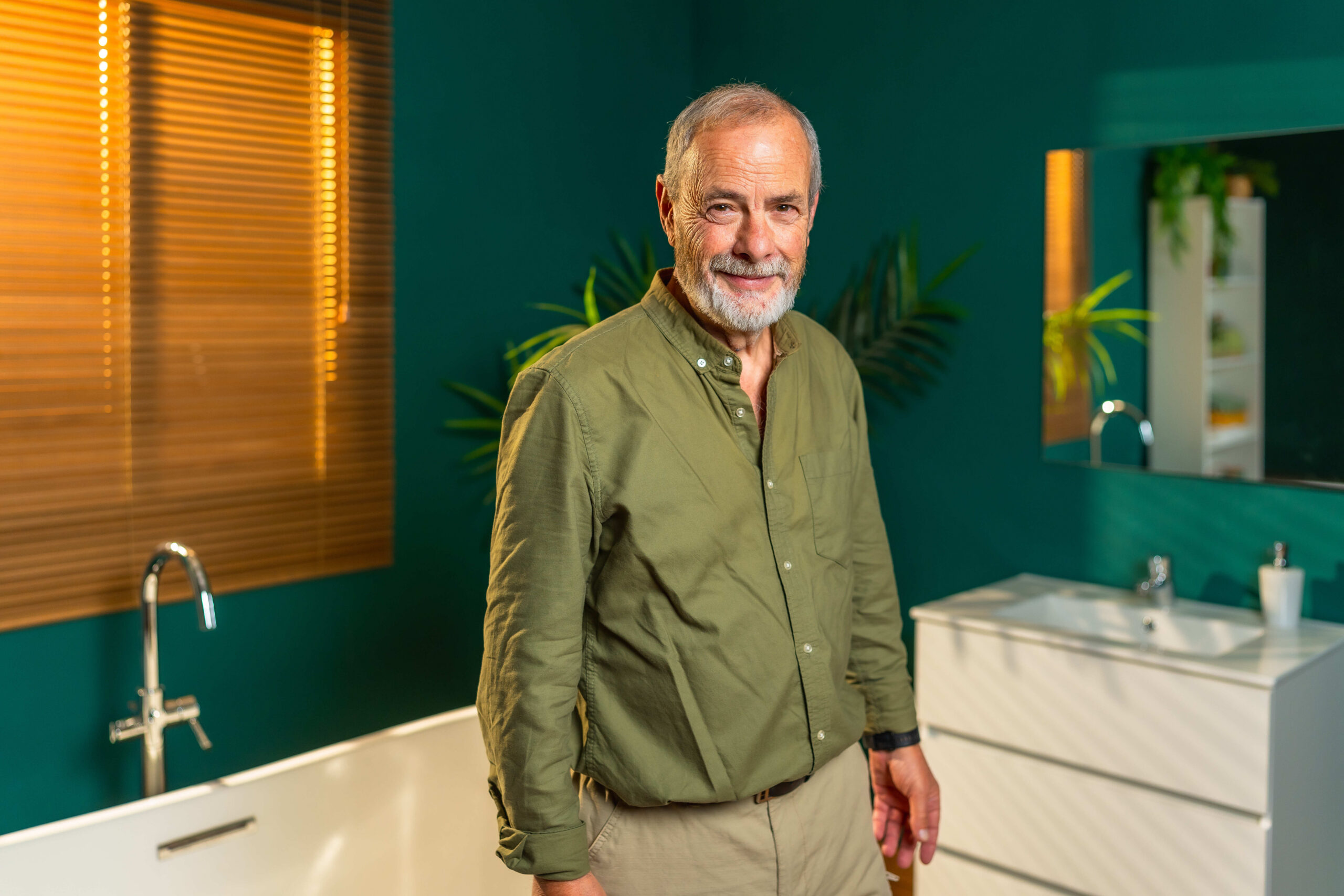
With a few smart and affordable adjustments, you can create a space that’s safer, more comfortable, and easier to use—without breaking your budget. Whether you’re preparing your own home for the future or supporting a loved one, these budget-friendly bathroom updates can make a meaningful difference.
Start With Stability: Non-Slip Solutions
One of the simplest and most cost-effective ways to improve bathroom safety is to reduce the risk of slipping. Wet surfaces and smooth tile can be hazardous, especially in the shower or near the sink. Adding non-slip materials is an inexpensive upgrade that pays off in peace of mind.
Non-slip bath mats or rubberized shower mats are widely available and can often be installed for under $20. You can also use adhesive non-slip strips in the tub or on the floor near frequently used areas. These offer traction without needing to replace flooring.
In addition, look for mats with suction grips and textured surfaces. Make sure they’re easy to clean and quick-drying to prevent mold or mildew buildup, which can create new hazards.
Install Grab Bars Without Major Construction
Grab bars are one of the most recommended tools for senior safety, providing stability while standing, sitting, or transitioning in and out of the tub. Fortunately, you don’t need to hire a contractor to install them. There are now no-drill grab bar options that use powerful suction cups and lock into place on smooth tile or fiberglass surfaces.
These portable grab bars are perfect for renters or for those who want a flexible solution without the mess of hardware installation. While they shouldn’t be used as a substitute for wall-mounted bars in every scenario, they work well for added support near the toilet, sink, or shower entry.
For more permanent installations, DIY grab bar kits with hardware and mounting instructions are available at most home improvement stores and can be installed with basic tools—making it a feasible weekend project for many households.
Adjust the Height of Key Fixtures
The standard height of sinks, toilets, and even towel hooks may not work well for seniors dealing with limited mobility or joint pain. Raising the toilet seat with a clip-on riser or replacing it with a taller ADA-compliant model is an affordable change that can reduce strain and improve accessibility.
Toilet seat risers with built-in arms provide additional leverage and can often be found for less than $50. These are especially helpful for those recovering from surgery or dealing with arthritis.
In the shower, consider adding a handheld showerhead with an adjustable height bracket. These allow for seated showering and easier reach without the need to contort or stretch. Many models are under $30 and install without professional help.
Improve Lighting Without Rewiring
Poor lighting in the bathroom can increase the risk of falls or accidents, especially at night. But upgrading your lighting doesn’t have to mean rewiring or hiring an electrician. Swapping out existing bulbs for brighter, daylight-balanced LEDs can significantly improve visibility for a small cost.
Additionally, motion-sensor night lights or battery-powered wall lights can be placed along hallways or near the toilet for safe navigation during nighttime bathroom trips. Some even stick directly to tile or walls and can be installed in minutes.
For older adults with declining vision, contrasting color accents—such as brightly colored rugs or toilet seats—can also help make fixtures easier to spot and navigate.
Seating Options for Safety and Comfort
Standing in the shower or while getting dressed can be exhausting or risky for those with balance concerns. A simple shower chair or transfer bench offers a secure, stable seat and reduces the chance of slipping. Many models are lightweight, rust-proof, and designed to drain water efficiently.
For under $40, you can find folding shower chairs that fit most tubs or stalls. A bench may cost a little more but can assist with safe transfers into the shower, particularly for wheelchair users or those with limited leg strength.
Outside the shower, a small dressing bench or stool with a backrest provides a helpful place to sit while grooming, drying off, or managing medications—without taking up much space.
Organize for Ease of Use and Reduced Reaching
Cluttered counters and hard-to-reach cabinets can make bathrooms difficult to use safely. Creating a more senior-friendly setup often involves reorganizing, not remodeling.
Use countertop organizers, baskets, or clear containers to store everyday essentials within easy reach. Place commonly used items like toothpaste, medications, and grooming tools on open shelves or drawers at waist height. Avoid low storage or placing items on the floor, which can increase the risk of bending or stumbling.
Install stick-on hooks for hanging towels, robes, or washcloths at accessible heights, and use labeled containers for medical supplies to streamline daily routines.
Affordable Upgrades That Add Comfort
A few small upgrades can make the bathroom more comfortable and senior-friendly without driving up costs. These might include:
- A heated toilet seat for joint relief in colder climates
- Soft-close toilet lids to prevent loud bangs or finger pinches
- Faucet extenders or single-lever handles to make water control easier
- Anti-fog mirrors with built-in lighting for better visibility
- Over-the-door towel racks to reduce bending
These enhancements don’t just improve safety—they support a sense of independence and dignity, which matters just as much as function.
Where It Leads
Creating a safer, more accessible bathroom doesn’t have to be expensive or complex. With a few targeted, low-cost changes, you can make a meaningful difference in day-to-day comfort and reduce the risk of accidents or injuries.
A senior-friendly bathroom supports aging in place, offers greater independence, and brings peace of mind to both users and caregivers. Whether you implement one change or several, every improvement helps create a more functional and confident space for years to come.