Table of Contents
How to Make Your Entryway More Welcoming (Without a Remodel)
Your home’s entryway is more than just the spot where you drop your keys. It sets the tone for the entire house. Whether it’s a grand front hall or a small space right inside the door, your entryway makes a first impression on everyone who walks in—including you.
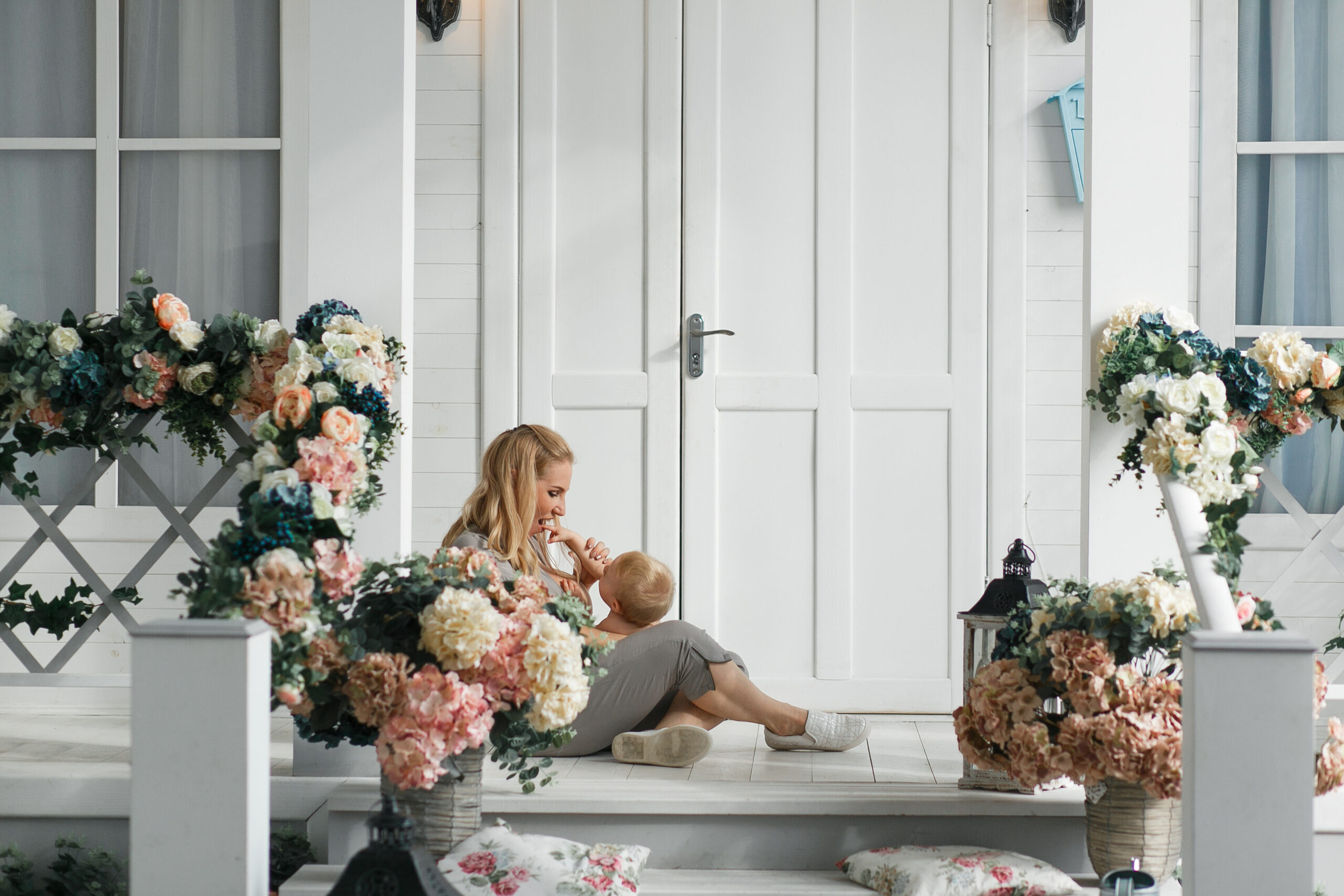
But not everyone has the time, budget, or desire to take on a major remodel just to upgrade the front of the house. The good news is, you don’t need a renovation to create an entryway that feels warm, functional, and welcoming. With a few smart updates and thoughtful touches, you can completely change how your entry feels—and how it works.
Here’s how to refresh your space, improve everyday routines, and make the most of your entry without picking up a sledgehammer.
Clear the Clutter First
The easiest way to make your entryway more welcoming is to make sure it doesn’t feel chaotic. Piles of shoes, coats, unopened mail, and miscellaneous items can quickly overwhelm a space that’s supposed to feel like a transition from the outside world to the comfort of home.
Start by decluttering the area. Remove anything that doesn’t need to live by the front door. Sort through shoes, coats, and bags. If something’s seasonal or rarely used, find a better storage spot elsewhere. Clearing even a small area can help the space feel larger and more open instantly.
Once you’ve decluttered, you can look at how to organize what’s left in a way that feels intentional—not like a catch-all.
Define the Space (Even If It’s Small)
One reason entryways often feel neglected is that they don’t have clear boundaries. In an open-concept home, the front door might open directly into the living room. Even in smaller homes or apartments, the entry might be no more than a door and a rug.
You can still define the space without building walls. A narrow bench, a small rug, or even a piece of artwork can visually mark the entryway and give it purpose. This subtle boundary tells guests and family members that this is a functional area—not just a pass-through.
If your front door opens into a hallway or tight corner, a vertical solution like a wall-mounted shelf or hooks can help claim the space without taking up floor area.
Make it Functional, Not Just Pretty
A welcoming entryway is one that actually works for your daily life. That means storage solutions that are easy to use, surfaces for setting things down, and places to stash the everyday essentials like keys, dog leashes, or umbrellas.
Think about what would make your entry more efficient. Do you need a spot to sit while putting on shoes? A way to corral kid clutter? A basket for incoming mail?
Here are a few low-cost functional upgrades that make a big difference:
- Wall hooks for coats and bags, especially if you don’t have a closet
- A tray or small bowl for keys and sunglasses
- A shoe rack or boot tray to contain mess and protect your floors
- A mirror to check your look and visually expand the space
- A narrow table or floating shelf for drop-zone essentials
- A bench with storage underneath for shoes or seasonal gear
These pieces don’t have to match or be expensive. The goal is to make daily use easier—and less of a hassle—so that coming home feels smoother.
Layer in Warmth With Lighting and Textures
Good lighting makes every space feel more inviting, and the entryway is no exception. If you only have an overhead fixture, consider swapping the bulb for a warmer tone or higher lumen count to brighten things up. You can also add battery-powered sconces or small lamps if you have a console table nearby.
Rugs, pillows, and textiles also make a big difference. A soft runner or patterned rug helps anchor the space and provides comfort underfoot. If you have a bench or chair in the entry, add a cushion or throw to create a cozy touch.
These details may seem small, but they help transform a utilitarian space into something that feels intentional and comfortable.
Use Color and Art to Add Personality
Since the entryway is often a small area, it’s the perfect place to take a few design risks without overwhelming the rest of the home. Adding color, artwork, or decorative accents here can make the space feel more personal and leave a lasting impression.
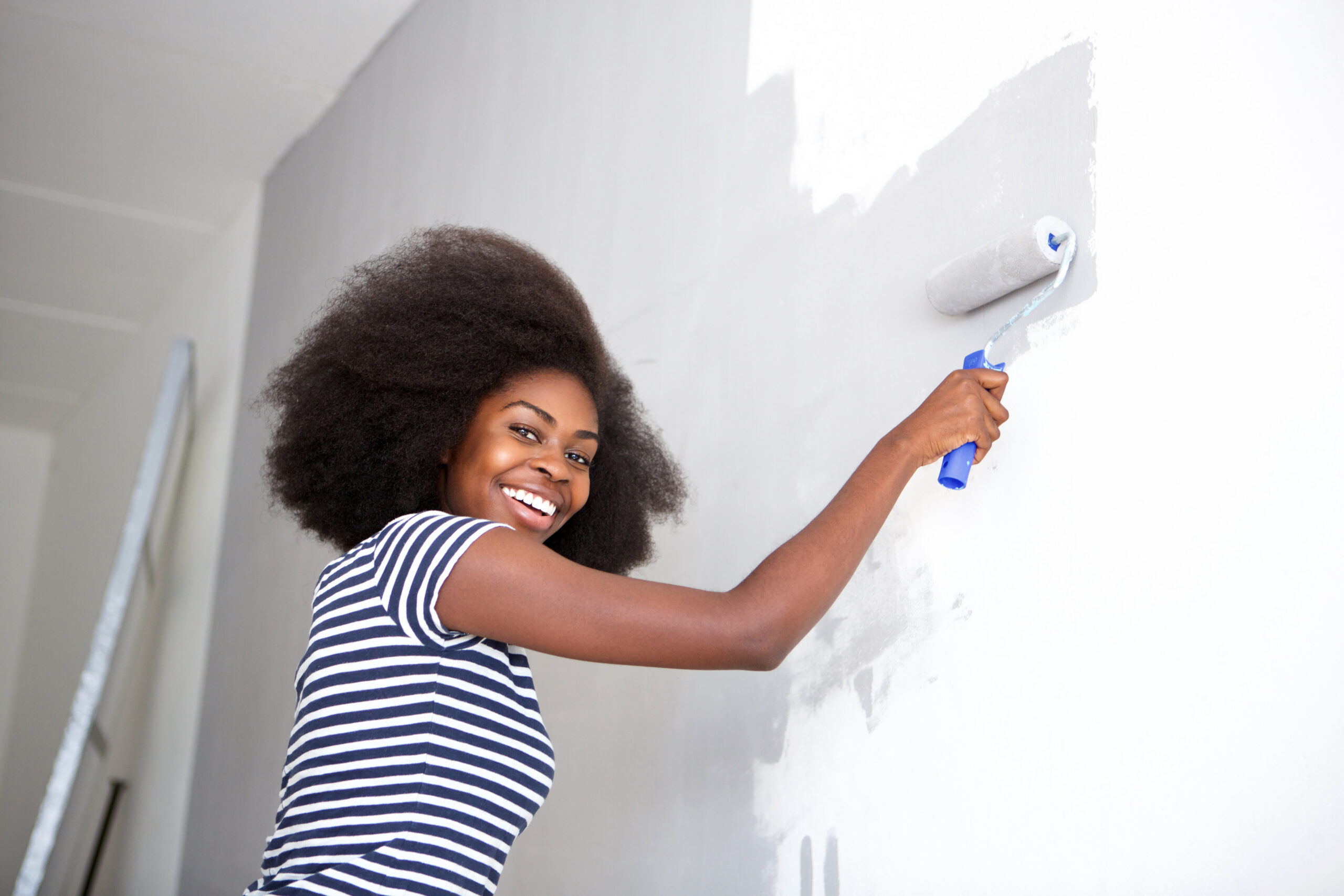
Try painting just the inside of the front door in a bold or calming color. Hang a piece of art that makes you smile. Use a framed family photo, a small sculpture, or even a favorite quote to add meaning without crowding the area.
These choices don’t have to be elaborate. One or two thoughtful details can be enough to give the space a personality that reflects the people who live there.
Keep Seasonal Decor Simple and Fresh
It’s easy to go overboard with entryway decor during the holidays or changing seasons, but too much can make the space feel cramped. Instead, choose one or two seasonal accents—like a wreath, a small vase of fresh flowers, or a themed doormat—to bring freshness without clutter.
Rotating decor a few times a year keeps the entryway feeling updated and gives you a chance to reflect the current season without needing a full overhaul.
Where It Leads
Creating a more welcoming entryway isn’t about spending a lot—it’s about being intentional with how the space looks, feels, and functions. With some decluttering, a few smart storage pieces, and a touch of personality, even the smallest or most awkward entry can become a space that makes people feel at home the moment they walk through the door.
You don’t need a remodel. You just need a plan. Start small, focus on function, and let the details come together one by one. Before you know it, your entryway will be working harder—and looking better—every day.