Table of Contents
- Why Small DIY Upgrades Can Have an Outsized Impact
- Fresh Paint: The Highest ROI DIY Project
- Swapping Hardware for a Modern Look
- Lighting Upgrades That Change the Mood of a Home
- Kitchen DIY Projects That Actually Pay Off
- Bathroom Improvements Without Full Renovation
- Flooring Fixes That Improve Perception
- Curb Appeal Projects That Set the Tone
- Energy-Efficient DIY Upgrades Buyers Notice
- Storage and Organization Projects That Add Function
- Comparing High-Impact Budget DIY Projects
- Mistakes That Can Hurt Value Instead of Help It
- How to Prioritize DIY Projects on a Budget
- DIY Projects That Support Appraisal Value
- When DIY Makes Sense and When It Doesn’t
- Turning DIY Improvements Into Long-Term Value
- Why DIY Still Matters in Today’s Housing Market
- Building Confidence Through Small Wins
- Making Smart DIY Choices That Pay Off
- Sources
Budget DIY Projects That Can Boost Your Home’s Value
Home improvements don’t have to involve contractors, permits, or five-figure budgets to make a difference. Some of the most effective upgrades are small, affordable DIY projects that improve how a home looks, feels, and functions. When done strategically, these projects can quietly boost perceived value and make a home more appealing to future buyers or appraisers.
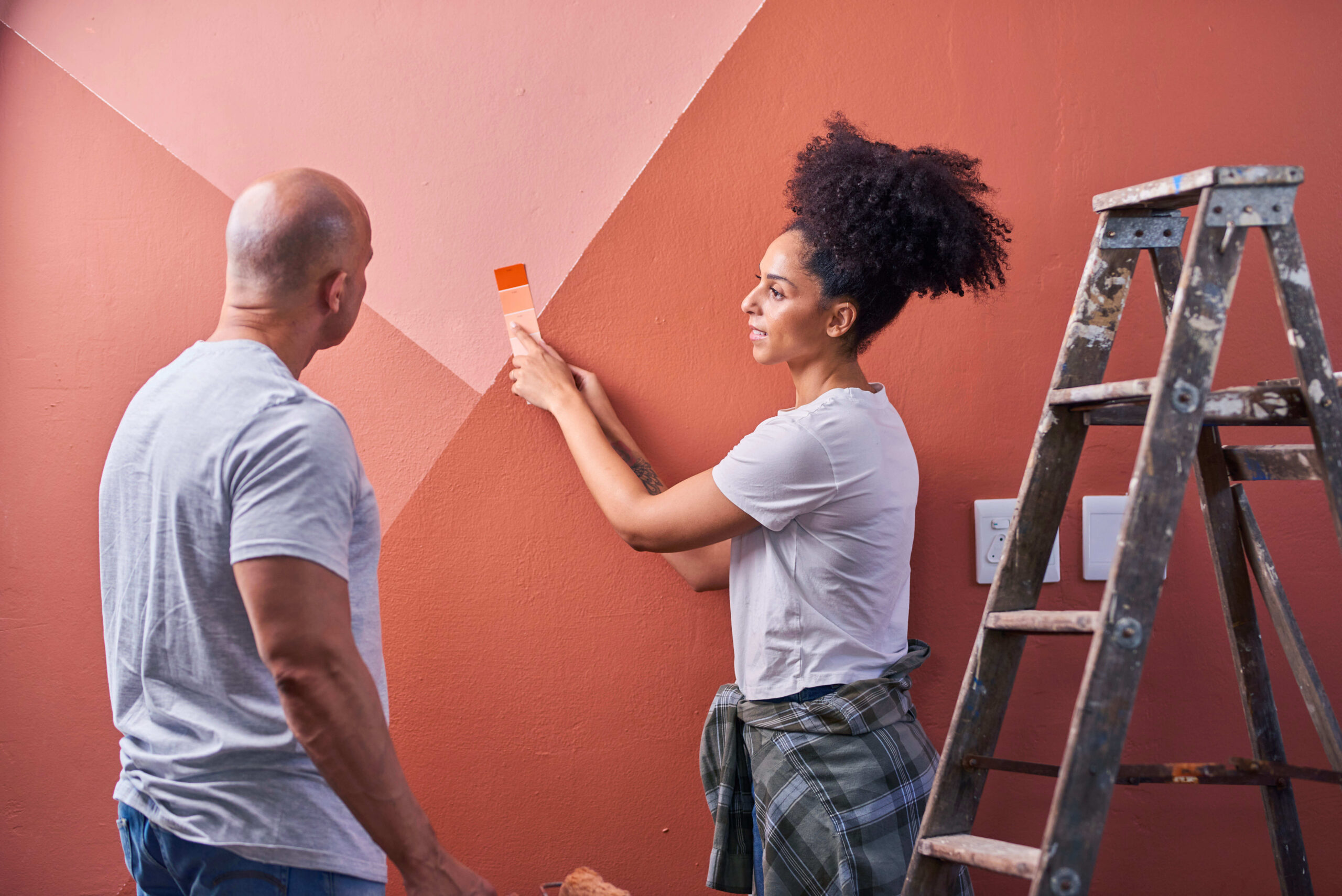
This isn’t about flipping houses or chasing trendy renovations. It’s about smart, budget-friendly DIY updates that increase everyday livability while also strengthening long-term value.
Why Small DIY Upgrades Can Have an Outsized Impact
Buyers and homeowners alike respond strongly to first impressions and functionality. A home that feels clean, updated, and well-maintained often reads as more valuable, even if the changes were inexpensive.
Many high-impact DIY projects focus on visibility. Paint, lighting, hardware, and organization upgrades are noticed immediately. They signal care and attention, which can influence how people evaluate the rest of the home.
Another advantage is flexibility. Budget DIY projects can be done gradually, allowing homeowners to prioritize areas that deliver the most value without taking on debt or major disruption.
Fresh Paint: The Highest ROI DIY Project
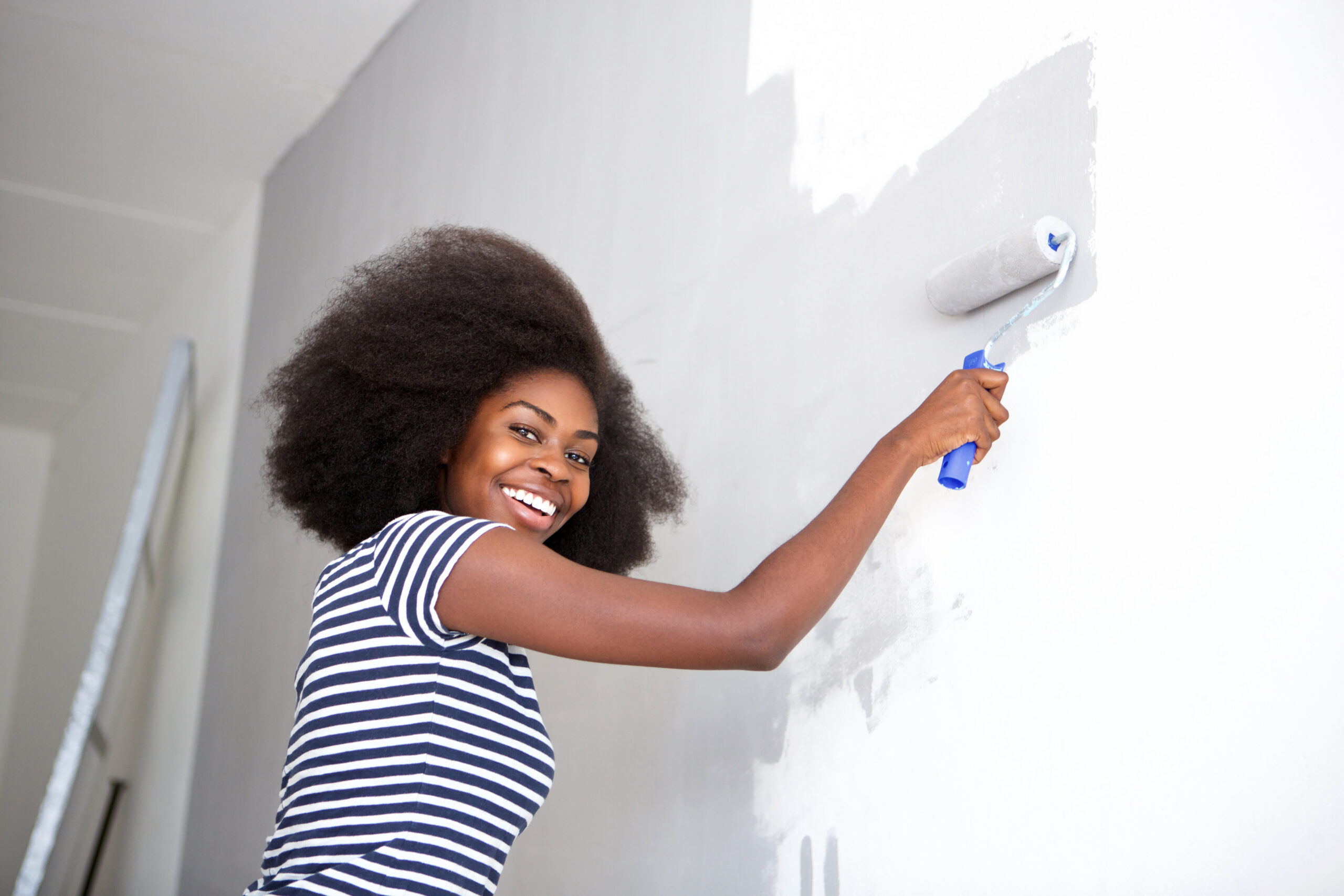
Few projects compete with paint when it comes to cost versus impact. A fresh coat of paint can make rooms feel larger, brighter, and more modern, often for less than a few hundred dollars.
Neutral colors tend to perform best for value. Soft whites, warm grays, and light greige tones appeal to a wide range of tastes and help spaces feel cohesive. Painting trim, doors, and baseboards can be just as impactful as walls, especially in older homes where wear shows easily.
Exterior touch-ups matter too. Painting a front door, shutters, or porch railings instantly improves curb appeal and creates a strong first impression.
Swapping Hardware for a Modern Look
Outdated hardware is one of the fastest ways a home can feel dated. Fortunately, it’s also one of the easiest things to fix.
Replacing cabinet pulls, drawer handles, doorknobs, and light switch plates can subtly modernize a space without altering its structure. Matte black, brushed nickel, and warm brass finishes are popular choices that photograph well and feel current.
This project requires minimal tools and time, making it ideal for weekends. The consistency of finishes throughout the home also matters. Matching hardware styles across rooms creates a more intentional, upgraded feel.
Lighting Upgrades That Change the Mood of a Home
Lighting affects how every room is perceived. Poor lighting can make even well-designed spaces feel cramped or gloomy. Simple DIY lighting upgrades can dramatically improve both ambiance and value.
Replacing outdated light fixtures with modern, energy-efficient options is a strong starting point. Flush mounts, pendants, and updated vanity lights often install easily using existing wiring.
Switching to LED bulbs with warm color temperatures also makes a difference. It improves energy efficiency while creating a more inviting look. Under-cabinet lighting in kitchens or task lighting in workspaces adds function without major cost.
Kitchen DIY Projects That Actually Pay Off
Full kitchen remodels are expensive, but smaller DIY updates still move the needle. Kitchens are one of the most value-sensitive areas of a home, and even modest improvements get noticed.
Painting cabinets is one of the most impactful budget upgrades when done carefully. Lighter colors can refresh dark kitchens, while deep tones can add drama and contrast. Proper prep matters here, but the cost is far lower than replacement.
Peel-and-stick backsplash tiles are another accessible option. They add texture and visual interest, especially in kitchens that lack character. Updating faucets or adding a pull-down sprayer can also elevate functionality and style.
Bathroom Improvements Without Full Renovation
Bathrooms influence value almost as much as kitchens, but they don’t need full overhauls to feel upgraded. Small DIY projects often make bathrooms feel cleaner, brighter, and more modern.
Replacing old mirrors with framed or backlit options creates an instant focal point. Updating towel bars, toilet paper holders, and faucets ties the room together visually.
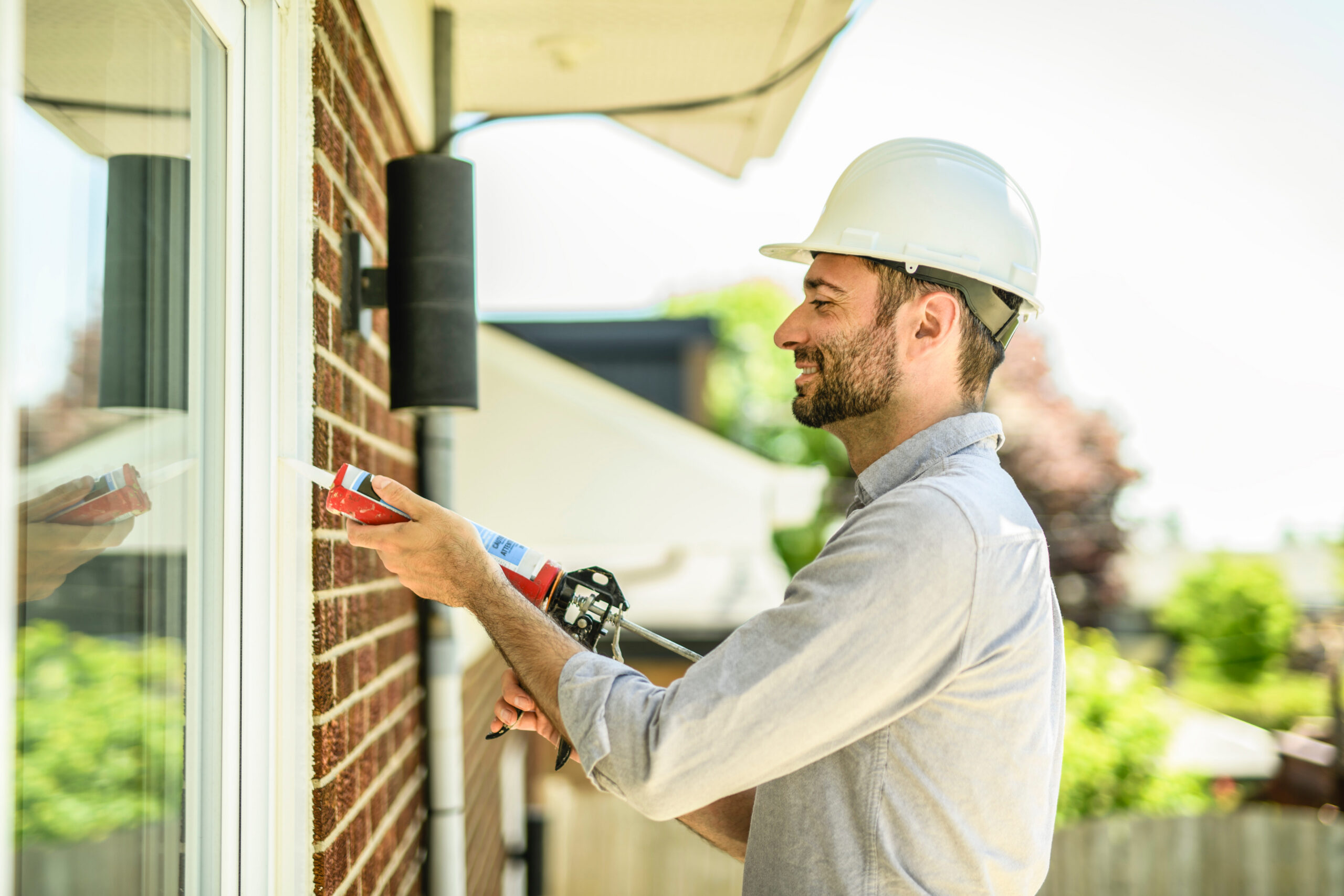
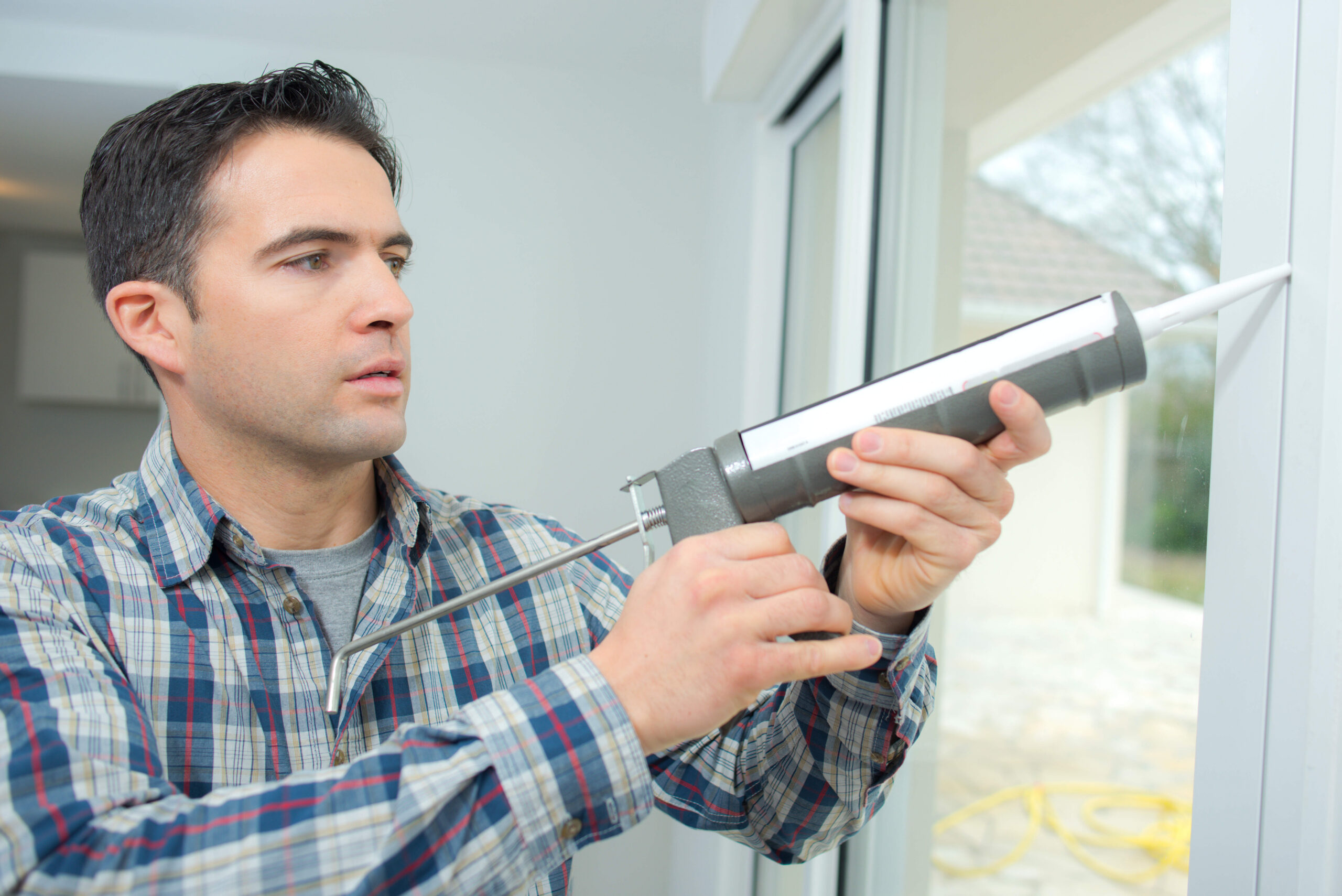
Re-caulking tubs and showers, refreshing grout, or installing a new showerhead improves both appearance and function. These changes signal maintenance and care, which matters to buyers and homeowners alike.
Flooring Fixes That Improve Perception
New flooring can be expensive, but there are budget-friendly DIY options that still boost perceived value. The goal is consistency and condition rather than luxury materials.
Refinishing hardwood floors, when possible, delivers strong returns. For homes with mixed flooring, replacing worn carpet with vinyl plank flooring in high-traffic areas can modernize the look without breaking the budget.
Area rugs also play a role. Strategically placed rugs can define spaces, hide minor flaws, and create a cohesive feel, especially in open layouts.
Curb Appeal Projects That Set the Tone
The exterior of a home shapes expectations before anyone steps inside. Budget DIY curb appeal projects are some of the most effective ways to boost value quickly.
Simple landscaping updates go a long way. Trimming overgrown plants, adding mulch, and planting low-maintenance greenery makes a home feel cared for. Solar pathway lights add safety and visual interest at night.
Updating house numbers, mailboxes, and exterior light fixtures also modernizes the look. These details are inexpensive but highly visible.
Energy-Efficient DIY Upgrades Buyers Notice
Energy efficiency is increasingly tied to perceived value. Buyers pay attention to utility costs and sustainability, and small DIY improvements can support both.
Installing weather stripping, sealing drafty doors, and adding insulation to accessible areas improves comfort and efficiency. Smart thermostats are another popular upgrade that appeals to tech-savvy buyers and homeowners.
Replacing old faucets or showerheads with water-efficient models also signals thoughtful upgrades, even if the change is subtle.
Storage and Organization Projects That Add Function
Homes that feel organized and spacious tend to feel more valuable. DIY storage upgrades improve daily living while appealing to future buyers.
Adding shelving in closets, garages, or laundry rooms increases usable space. Closet organization systems, even simple wire or modular setups, create structure without major cost.
Built-in-style storage projects, such as bench seating with hidden compartments or wall-mounted shelving, add character while solving practical problems.
Comparing High-Impact Budget DIY Projects
Not all DIY projects deliver the same value. This comparison highlights projects that balance cost, effort, and return.
| DIY Project | Approximate Cost Range | Value Impact |
|---|---|---|
| Interior paint | Low | High |
| Hardware replacement | Low | Medium |
| Lighting upgrades | Low to moderate | High |
| Cabinet painting | Moderate | High |
| Curb appeal updates | Low | High |
Focusing on projects in the low-to-moderate cost range with high visibility tends to deliver the best results.
Mistakes That Can Hurt Value Instead of Help It
Not all DIY is good DIY. Poor execution can reduce value or create work for future owners. Rushed paint jobs, uneven tile, or mismatched finishes stand out for the wrong reasons.
Over-customization is another risk. Bold colors, niche design choices, or highly personalized features may limit appeal. Neutral, flexible updates tend to perform better.
Skipping prep work is one of the most common mistakes. Taking time to clean, repair, and measure correctly often matters more than the project itself.
How to Prioritize DIY Projects on a Budget
The smartest approach is to start with what’s most visible and most used. Entryways, kitchens, living areas, and primary bathrooms deliver the strongest returns.
Next, focus on projects that solve problems. Fixing squeaky doors, sticky drawers, or outdated fixtures improves daily experience and signals quality.
Budgeting in phases helps too. Spreading projects out over time reduces stress and allows you to take advantage of sales or discounts on materials.
DIY Projects That Support Appraisal Value
While appraisers focus on structure and square footage, condition still matters. Well-maintained homes with updated finishes often appraise more favorably than neglected ones.
Documenting upgrades can help. Keeping a simple list of improvements and dates shows consistent maintenance, which supports overall valuation.
Energy-efficient upgrades, even small ones, can also play a role depending on local market expectations.
When DIY Makes Sense and When It Doesn’t
DIY works best for cosmetic and surface-level improvements. Projects involving electrical, plumbing, or structural changes may require professional help to avoid safety or code issues.
Knowing your limits protects value. A well-executed small project beats an unfinished big one every time.
If a project feels overwhelming, scaling it back or hiring help for part of the work can still keep costs under control.
Turning DIY Improvements Into Long-Term Value
Budget DIY projects don’t just help with resale. They improve comfort, reduce maintenance issues, and make daily life more enjoyable.
Over time, these incremental upgrades compound. A home that’s consistently updated feels newer and holds value better than one waiting for a single major renovation.
This steady approach also spreads costs out, making home improvement feel manageable rather than intimidating.
Why DIY Still Matters in Today’s Housing Market
In a market where renovation costs are rising, DIY offers flexibility and control. Homeowners who invest time instead of money can still create meaningful improvements.
Buyers are increasingly drawn to homes that feel move-in ready, even if they’re not luxury properties. Clean lines, neutral finishes, and functional spaces resonate across price points.
Budget DIY projects align perfectly with that expectation.
Building Confidence Through Small Wins
One of the underrated benefits of DIY is confidence. Completing small projects builds skills and momentum, making future improvements easier.
Each successful project reinforces the idea that value isn’t only created through major spending. Thoughtful upgrades, done well, matter.
That mindset turns home improvement into an ongoing process rather than a one-time event.
Making Smart DIY Choices That Pay Off
Boosting home value doesn’t require extreme renovations or designer budgets. It requires focus, consistency, and an understanding of what actually matters.
By choosing budget DIY projects that improve appearance, function, and efficiency, homeowners can create spaces that feel better now and hold more value later.
The most effective upgrades are often the simplest ones, done with intention and care.
Sources
https://www.thisoldhouse.com
https://www.hgtv.com
https://www.bobvila.com
https://www.architecturaldigest.com
https://www.consumerreports.org