Table of Contents
- Why Home Repairs Feel More Overwhelming Than They Should
- Shifting From Reactive to Preventive Thinking
- Breaking Repairs Into Categories That Make Sense
- Using a Home Maintenance Schedule Without Obsessing Over It
- The Power of Writing It Down Once
- Prioritizing Repairs Without Panic
- Creating a “Repair Buffer” in Your Budget
- Deciding What to DIY and What to Delegate
- Reducing Decision Fatigue With Default Solutions
- How Small Wins Prevent Repair Burnout
- Using Technology to Stay Organized, Not Stressed
- When Repairs Start Affecting Your Mental Health
- Preventing Repairs From Becoming All-Consuming
- How Staying Organized Protects Long-Term Home Value
- Letting Go of the “Perfect Home” Myth
- Building a Repair Rhythm That Fits Your Life
- Turning Maintenance Into a Background Habit
- Sources
How to Stay on Top of Home Repairs Without Getting Overwhelmed
Home repairs have a way of piling up quietly. One small issue gets ignored, another feels too time-consuming, and suddenly the house feels like a never-ending to-do list. The overwhelm doesn’t usually come from one big problem. It comes from lots of small ones competing for attention.
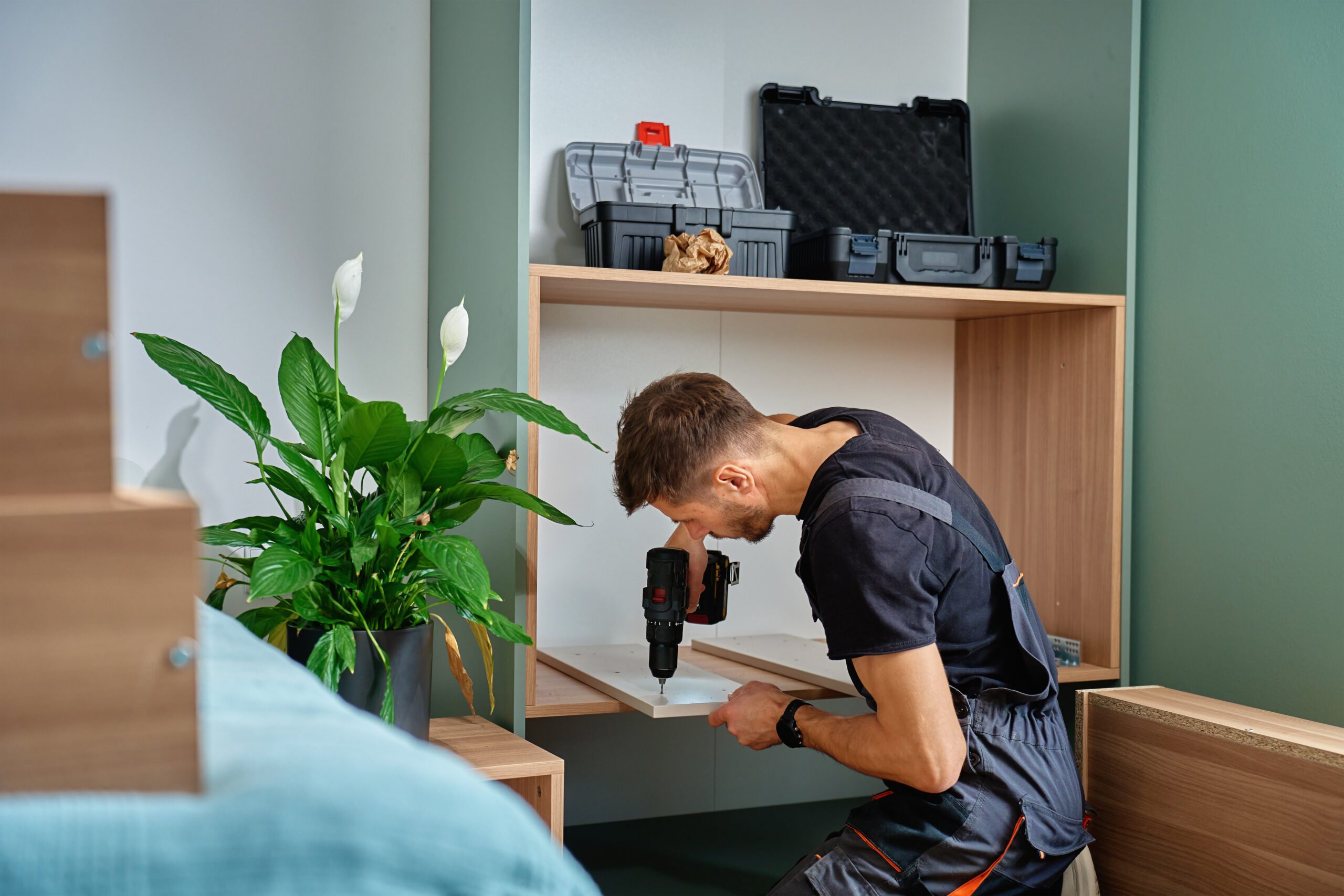
Staying on top of home repairs isn’t about becoming a maintenance expert or fixing everything at once. It’s about building simple systems that make upkeep feel manageable, predictable, and far less stressful.
Why Home Repairs Feel More Overwhelming Than They Should
Most homeowners don’t struggle with repairs because they’re incapable. They struggle because repairs are invisible until they’re urgent. A slow drain, a loose railing, or a small crack doesn’t demand immediate action, so it gets mentally postponed.
According to This Old House, deferred maintenance is one of the most common reasons small home issues turn into expensive repairs. The stress comes from uncertainty. Not knowing what needs attention or when makes everything feel equally urgent.
The goal is to remove that uncertainty by creating structure.
Shifting From Reactive to Preventive Thinking
One of the biggest mindset shifts is moving away from reactive repairs. When you only fix things after they break, every repair feels disruptive and stressful.
Preventive maintenance spreads work out over time. Small, scheduled check-ins help you catch problems early, when they’re cheaper and easier to fix. This approach doesn’t eliminate repairs, but it makes them predictable.
Experts at Consumer Reports emphasize that routine maintenance often costs far less than emergency fixes and reduces long-term repair fatigue.
Breaking Repairs Into Categories That Make Sense
A long, vague list of “things to fix” is overwhelming by default. Categorizing repairs creates clarity and helps you prioritize without stress.
Instead of one massive list, think in terms of systems. Plumbing, electrical, exterior, appliances, and cosmetic issues all have different urgency levels. A dripping pipe and chipped paint shouldn’t compete for the same mental space.
Once repairs are grouped, it’s easier to decide what needs immediate attention and what can wait.
Using a Home Maintenance Schedule Without Obsessing Over It
Maintenance schedules often fail because they’re too ambitious. Monthly checklists with dozens of tasks quickly get abandoned.
A realistic schedule focuses on seasonal maintenance rather than constant upkeep. Checking certain items quarterly or twice a year is enough for most homes.
Resources like Bob Vila regularly recommend seasonal maintenance plans that align with weather changes, which naturally limits how much you need to think about at once.
Spring and fall tend to carry the heaviest maintenance loads, while summer and winter can be lighter and more reactive.
The Power of Writing It Down Once
One underrated way to reduce overwhelm is creating a master repair list one time. This isn’t a daily checklist. It’s a reference document.
Walking through your home room by room and writing down everything that needs attention clears mental clutter. Once it’s written down, you don’t have to keep remembering it.
Digital notes apps, spreadsheets, or even a simple notebook work. The key is that the list exists somewhere outside your head.
Prioritizing Repairs Without Panic
Not all repairs are equal, even if they feel that way emotionally. A simple prioritization framework can calm decision-making.
Safety issues come first. Electrical problems, water leaks, and structural concerns deserve immediate attention. Functionality issues come next. Things that affect daily life, like broken appliances or doors that don’t close properly, usually follow.
Cosmetic and convenience repairs come last. These matter, but they rarely need urgent action.
This approach aligns with guidance often shared by HGTV, which encourages homeowners to separate must-fix items from nice-to-fix upgrades.
Creating a “Repair Buffer” in Your Budget
One reason repairs feel overwhelming is financial uncertainty. When something breaks, the question isn’t just how to fix it, but how to pay for it.
Building a small repair buffer into your monthly budget reduces this stress significantly. This doesn’t have to be a full emergency fund. Even setting aside a modest amount creates psychological safety.
When repairs are expected rather than surprising, they feel less disruptive and easier to handle calmly.
Deciding What to DIY and What to Delegate
Trying to do everything yourself can quickly lead to burnout. Knowing your limits is part of staying on top of repairs.
DIY makes sense for low-risk, surface-level tasks like replacing hardware, sealing small gaps, or basic maintenance. More complex jobs involving electrical systems, gas, or major plumbing often benefit from professional help.
According to Angi, homeowners who selectively outsource complex repairs often spend less overall because mistakes and repeat fixes are avoided.
Delegation is not failure. It’s strategy.
Reducing Decision Fatigue With Default Solutions
Decision fatigue plays a bigger role in home maintenance than most people realize. Choosing between repair options, products, or contractors repeatedly wears you down.
Creating defaults helps. This could mean having one trusted handyman, a preferred hardware store, or a go-to brand for basic supplies.
When fewer decisions are required, repairs feel lighter and faster, even if the work itself stays the same.
How Small Wins Prevent Repair Burnout
Big repairs are intimidating, but small fixes build momentum. Completing quick, visible tasks creates a sense of progress that counters overwhelm.
Tightening loose handles, replacing worn weather stripping, or fixing a squeaky hinge may seem minor, but they restore a feeling of control over your space.
Psychologically, progress matters more than scale. Small wins make larger tasks feel more approachable.
Using Technology to Stay Organized, Not Stressed
Home maintenance apps and reminders can be helpful if used lightly. Overloading yourself with notifications often backfires.
Simple calendar reminders for seasonal tasks work well. Photo documentation of repairs can also help track what’s been done and when.
Digital tools should reduce mental load, not create new obligations.
When Repairs Start Affecting Your Mental Health
Constant home issues can take a toll emotionally, especially if they pile up faster than you can address them. Feeling embarrassed, anxious, or defeated by your space is more common than people admit.
Acknowledging that overwhelm is valid helps reset expectations. Homes are complex systems, and no one keeps everything perfect all the time.
According to insights shared by Psychology Today, environmental stress plays a real role in overall well-being. Reducing that stress often starts with small, visible improvements rather than total fixes.
Preventing Repairs From Becoming All-Consuming
Home maintenance should support your life, not dominate it. Setting boundaries around how much time and energy you devote to repairs is healthy.
Choosing one or two maintenance tasks per month is often enough to stay ahead without feeling consumed. Ignoring the rest temporarily is okay.
Consistency beats intensity when it comes to home upkeep.
How Staying Organized Protects Long-Term Home Value
Homes that receive regular, low-level maintenance tend to age better. Small repairs prevent bigger ones and preserve systems over time.
Documenting repairs and upkeep also creates a maintenance history, which can be helpful for resale or insurance purposes.
Even if selling isn’t on the horizon, staying organized protects your investment quietly and steadily.
Letting Go of the “Perfect Home” Myth
Perfection is a major source of overwhelm. Homes are meant to be lived in, not constantly optimized.
Accepting that some things will always be on the list removes pressure. The goal is progress, not completion.
This mindset shift alone often reduces stress more than any checklist ever could.
Building a Repair Rhythm That Fits Your Life
There is no universal system that works for everyone. A good repair rhythm fits your schedule, energy level, and budget.
Some people prefer seasonal check-ins. Others tackle one small task each weekend. Both approaches work if they’re sustainable.
The best system is the one you’ll actually stick with.
Turning Maintenance Into a Background Habit
When home repairs are handled in small, regular doses, they fade into the background. They stop feeling like emergencies and start feeling like routine care.
This is where overwhelm disappears. Not because repairs stop happening, but because they stop demanding constant attention.
Staying on top of home repairs isn’t about doing more. It’s about thinking differently, planning lightly, and letting structure replace stress.
Sources
https://www.thisoldhouse.com
https://www.consumerreports.org
https://www.bobvila.com
https://www.hgtv.com
https://www.angi.com
https://www.psychologytoday.com