Table of Contents
Smarter Home Security Starts Now in 2026
Your home should be the safest and smartest place in your life, not the easiest target on the block. In 2026, upgrading your smart home security is not just about adding gadgets, it is about creating a confident, connected space that protects what matters most and gives you total peace of mind.
What’s Actually Changed and Why It Matters Now
Ten years ago, a home security system meant a keypad, a siren, and a monitoring center that called you after something bad had already happened. That reactive model hasn’t just been updated. It’s been replaced. Today’s systems don’t wait. They watch, learn, and respond before a situation turns into a crisis.
The shift happened fast. Cheaper sensors and genuinely capable AI pushed smart security out of the luxury tier and into mainstream homes. According to Security.org’s annual review of home security systems, consumers in 2025 and into 2026 are prioritizing DIY installation, flexible monitoring options, and deep integration with platforms they already use. That’s a meaningful signal. People don’t want a separate security ecosystem bolted onto their home. They want protection woven into it.
If you haven’t reassessed your setup recently, there’s a real chance you’re running hardware and habits that belong to a different era.
AI That Actually Earns Its Name
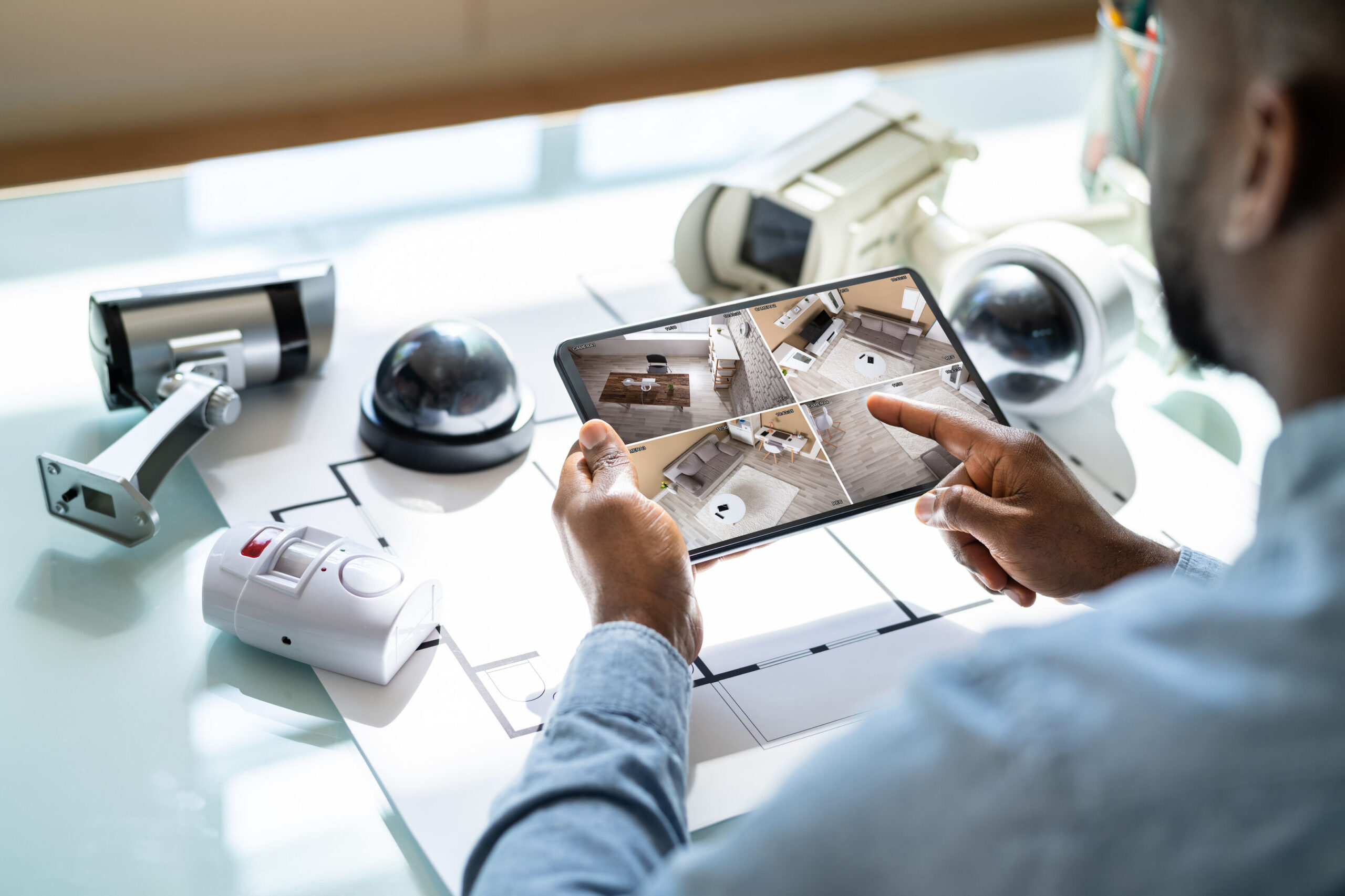
The phrase “AI-powered” gets slapped onto everything these days. In home security, though, it genuinely means something now. Modern cameras don’t just detect motion. They classify it. A squirrel crossing your driveway, your teenager pulling in at midnight, and an unfamiliar person lingering near your side gate all trigger different responses. That distinction matters enormously when you’re trying to avoid alert fatigue.
Brands like Ring have spent years refining how motion events are filtered and surfaced to users, and the difference between 2020-era detection and what’s available now is stark. Fewer false alarms. Faster relevant alerts. More context in the notification itself so you’re not opening an app blind.
What’s newer and genuinely impressive is behavioral pattern recognition. Your system can learn that the house is empty by 8:15 every weekday morning. If a door opens at 10 a.m. on a Tuesday, that’s not just a motion event. It’s an anomaly, and your system knows the difference. Some platforms are even pulling in neighborhood-level crime data to adjust sensitivity dynamically, not just react to what’s happening on your property but anticipate what might be drifting toward it.
Building a System That Works as a Team
The biggest mistake homeowners make is buying devices without thinking about how they’ll talk to each other. A smart doorbell that doesn’t communicate with your exterior lights isn’t a security system. It’s a camera with a subscription fee. Real protection in 2026 comes from components that trigger each other automatically.
Think about what a well-integrated response looks like at 2 a.m. when a motion sensor fires at your back gate. Exterior lights flood on immediately. Cameras begin recording and push a clip to your phone. Smart locks confirm they’re engaged. You get one notification with relevant footage, not six separate pings from unconnected devices. That layered, automated response is what actually deters someone, and it only happens when the pieces are genuinely integrated, not just sharing the same app.
Compatibility with major platforms has become a legitimate deciding factor when choosing a system. The Cybersecurity and Infrastructure Security Agency has consistently emphasized that as home networks grow more complex, secure configuration and device management become just as critical as the hardware itself. Buying devices that receive regular firmware updates and support strong authentication isn’t optional anymore. It’s the baseline.
The Digital Front Door Is Real
Here’s the part people underestimate: your Wi-Fi network is part of your security system whether you’ve configured it that way or not. A camera with weak credentials or an unpatched router isn’t protecting your home. It’s offering a window into it. Hackers don’t need to pick your lock if they can access your camera feed from across the world.
Two-factor authentication on every security-related app. Unique passwords that you haven’t reused somewhere else. A router that’s less than four years old with automatic updates enabled. These aren’t advanced steps. They’re table stakes in 2026. Consumer Reports has tested DIY security systems for hacking vulnerabilities, and it’s worth an hour of your time to work through it.
Network segmentation deserves a mention too. Most modern routers let you create a separate network specifically for smart devices, meaning your security cameras and smart locks live on a different subnet than your laptop and phone. If a device gets compromised, the blast radius stays small.
Monitoring: The Hybrid Model Wins
The professional-versus-DIY monitoring debate has mostly resolved itself. The answer is: it depends on your life, and ideally you want both options available.
Self-monitoring has gotten genuinely good. Real-time clips, AI-filtered alerts, and instant push notifications mean a lot of homeowners can assess a situation and respond appropriately within seconds. If you’re someone who’s always near your phone and wants full control, self-monitoring is a reasonable primary strategy.
But it has gaps. What happens when you’re on a three-hour flight with your phone off? Or you’re in a meeting and miss three alerts in a row? Professional monitoring fills exactly that gap. A human reviews the situation and contacts emergency services if you don’t respond. Several platforms now offer on-demand professional monitoring that you can activate for specific periods, like a two-week vacation, without committing to a long-term contract. That flexibility is new, and it’s worth paying attention to when you’re shopping.
Don’t Forget What Isn’t a Burglar
A burst pipe at 3 a.m. can do more financial damage than a break-in. So can a slow carbon monoxide leak, a kitchen fire that starts while you’re asleep, or a basement flood from a water heater that’s been failing quietly for weeks. Smart home security in 2026 isn’t just about keeping people out. It’s about knowing what’s happening inside your home in real time, across all kinds of threats.
Water sensors under sinks and behind appliances cost almost nothing and can catch a leak before it becomes a $15,000 remediation job. Smart smoke and CO detectors that send alerts to your phone, even when you’re traveling, give emergency services a faster window to respond. Integrating these environmental sensors into your existing security platform means one dashboard, one app, and one place to assess what’s happening. That’s the version of smart home security that actually protects your household comprehensively.
Automation Is Your Cheapest Deterrent
Opportunistic burglars are looking for easy targets. An occupied-looking house is rarely one. Automation lets you fake presence convincingly even when you’re nowhere near home. Lights cycling on different schedules each evening, blinds opening and closing, exterior lights responding to motion. It’s not sophisticated deception. It’s just enough unpredictability to make someone choose a different house.
Geofencing has become one of the most useful and underused features in modern security setups. Your system can arm automatically when your phone leaves a defined radius around your home, and disarm when you return, with no manual input required. Pair that with a smart garage that opens as you pull in and a lock that disengages when it recognizes you’re home, and you’ve eliminated one of the most consistent human errors in home security: forgetting to arm the system in the first place.
Making the Upgrade Without Overthinking It
The good news is that getting this right doesn’t require a complete overhaul or a professional installation crew. Most quality systems in 2026 are genuinely DIY-friendly, with battery-powered sensors, adhesive mounts, and setup flows that walk you through placement recommendations. Renters can build robust setups without drilling a single hole.
Start with a practical audit. Walk your property and identify the actual weak points: the side gate with no visibility, the back door that faces away from the street, the driveway that’s dark after 8 p.m. Then build toward those gaps rather than buying a bundle and hoping it covers everything. A targeted setup with well-chosen components almost always outperforms a sprawling one assembled without a plan.
The systems worth investing in are the ones built on open platforms with consistent software support, the kind of infrastructure the NIST Cybersecurity Framework encourages individuals and organizations alike to prioritize. Proprietary ecosystems can lock you into hardware cycles that don’t age well. Open ones grow with you.
2026 is a genuinely good time to upgrade. The technology is mature, the prices are reasonable, and the gap between a well-protected home and a vulnerable one has never been easier to close. Don’t wait for a reason to care about this. Build the system now, while it’s a choice instead of a response.