Table of Contents
- Why Floors Have an Outsized Impact on Your Home’s Look
- Area Rugs That Camouflage Damage and Add Structure
- Peel-and-Stick Flooring for Budget-Friendly Transformation
- Refinishing Tricks That Stretch the Life of Hardwood
- Smart Paint Solutions for Subfloors and Concrete
- Visual Illusions That Make Floors Look Better Than They Are
- Mixing Materials for Intentional Contrast
- When to Refresh vs. Replace
- Pulling It All Together
Affordable Flooring Fixes That Hide Wear and Tear Without a Full Remodel
Worn floors can make an entire home feel older than it really is. Scratches, stains, fading, and scuffs draw the eye down and shrink the space visually. The good news is you do not need a full flooring replacement to refresh the look and feel of your home.
Affordable flooring fixes can hide wear and tear, stretch the life of what you already have, and make rooms feel cleaner and more intentional. With the right mix of rugs, peel-and-stick upgrades, refinishing tricks, and visual illusions, you can dramatically improve your floors without draining your budget.
Why Floors Have an Outsized Impact on Your Home’s Look
Floors cover more square footage than almost any other surface in your home. When they look worn, everything else feels tired too. Even well-styled furniture and fresh paint cannot fully distract from scratched hardwood or stained carpet.
Buyers and renters notice flooring immediately. It influences how large, bright, and clean a space feels. That is why strategic fixes can deliver a strong visual return without the cost of total replacement.
Instead of thinking in terms of “new floors or nothing,” focus on targeted upgrades that redirect attention and minimize visible damage.
Area Rugs That Camouflage Damage and Add Structure
Area rugs are one of the easiest ways to hide worn flooring. The key is to use them strategically, not randomly.
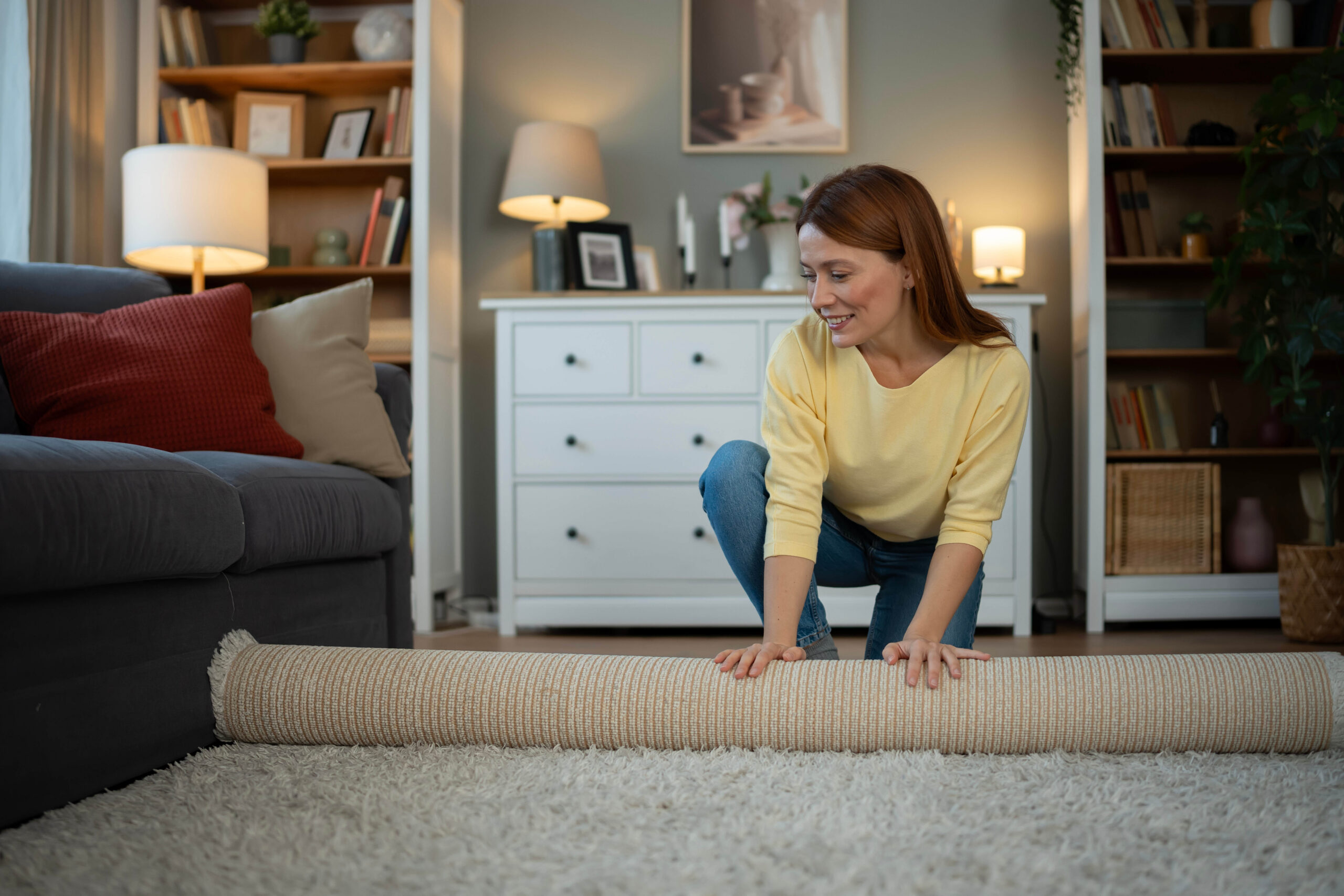
Large rugs anchor a room and conceal high-traffic wear patterns. If your hardwood floors are scratched near the sofa or under the dining table, choose a rug big enough to extend beyond the furniture. Small rugs that float in the middle of a room can actually make damage more noticeable by drawing attention to the exposed edges.
Patterned rugs are especially effective for hiding imperfections. Subtle variations in color and texture disguise stains and discoloration better than solid colors.
Here is a quick comparison of rug styles for hiding wear:
| Rug Type | Best For | Wear-Hiding Power |
|---|---|---|
| Solid light color | Brightening dark rooms | Low |
| Solid dark color | Covering stains | Moderate |
| Patterned neutral | Hiding scratches and fading | High |
| Vintage or distressed | Masking heavy traffic wear | Very High |
Layering rugs can also help. A large neutral base with a smaller patterned rug on top adds dimension while covering more square footage. This works especially well in living rooms and bedrooms where replacing flooring would be costly.
When chosen carefully, rugs do more than hide damage. They define zones, soften sound, and make a room feel intentionally designed.
Peel-and-Stick Flooring for Budget-Friendly Transformation
Peel-and-stick flooring has improved dramatically in recent years. Today’s options include realistic wood-look planks, stone patterns, and even textured finishes. For renters or homeowners on a tight budget, this can be a powerful way to disguise worn floors.
Peel-and-stick vinyl planks can be installed directly over many existing surfaces, including old vinyl, laminate, and even some hardwood. They are especially useful in small spaces like bathrooms, laundry rooms, and entryways where damage tends to be concentrated.
If full coverage feels overwhelming, consider using peel-and-stick tiles in defined areas. For example, creating a faux tile entry zone over worn hardwood can turn a problem area into a design feature.
Peel-and-stick also works well for stair risers. Covering just the risers with patterned adhesive tiles can shift focus away from scuffed treads and add personality at the same time.
While this option requires some prep work, it costs far less than professional installation and can often be completed in a weekend.
Refinishing Tricks That Stretch the Life of Hardwood
Hardwood floors are durable, but they show wear over time. Full sanding and refinishing can be expensive, but there are lower-cost alternatives that still make a visible difference.
One option is screening and recoating. This process lightly abrades the surface and applies a fresh coat of finish without sanding down to bare wood. It can revive dull floors and reduce the appearance of minor scratches.
For deeper scratches, targeted touch-up kits can help blend damaged areas. Wood markers, stain pens, and fill sticks are inexpensive and surprisingly effective when used carefully.
Another underrated trick is deep cleaning followed by polishing. Built-up grime often exaggerates the look of scratches. A thorough cleaning with a wood-safe solution, followed by a quality polish, can restore shine and make floors look newer.
Refinishing does not always mean starting from scratch. Sometimes it means refreshing what is already there so wear becomes less noticeable.
Smart Paint Solutions for Subfloors and Concrete
If you are dealing with old plywood subfloors, worn concrete, or outdated tile in low-visibility areas, paint can be a surprisingly strong solution.
Floor-specific paints and epoxy coatings are designed to withstand foot traffic. In basements, garages, and even laundry rooms, a fresh coat can unify the look of the space and cover stains.
Painted floors can also work in bedrooms or creative spaces. A solid neutral color makes the room feel cohesive. Stenciled patterns can mimic tile at a fraction of the cost.
The key is proper preparation. Cleaning, sanding, and priming ensure durability. While painted floors may not be right for every space, they can buy time before a major renovation.
Visual Illusions That Make Floors Look Better Than They Are
Sometimes the goal is not to hide every flaw but to shift focus elsewhere. Visual illusions can minimize the impact of worn floors.
Long curtains that hang close to the floor draw the eye upward. Larger furniture pieces reduce the amount of visible floor space, making imperfections less noticeable. Strategic lighting can also help. Bright, even lighting reduces harsh shadows that highlight scratches.
Furniture placement matters more than many people realize. Positioning sofas, consoles, and shelving units over heavily worn zones creates balance. This approach works particularly well in open-concept spaces where replacing flooring would require a large investment.
Mirrors can amplify light and visually expand the room, pulling attention away from minor floor damage. When the room feels larger and brighter overall, small imperfections fade into the background.
Mixing Materials for Intentional Contrast
If one area of flooring is heavily damaged, consider leaning into contrast rather than trying to match everything perfectly.
For example, adding a peel-and-stick tile section in front of a kitchen sink can look intentional if it complements nearby finishes. Transition strips can separate materials cleanly and create defined zones.
Here is a breakdown of common budget-friendly material mixes:
| Combination | Best Use Case | Cost Level |
|---|---|---|
| Hardwood plus large area rug | Living rooms and bedrooms | Low |
| Old vinyl plus peel-and-stick plank | Kitchens and laundry rooms | Low-Medium |
| Concrete plus painted area section | Basements and garages | Low |
| Mixed tile entry plus wood interior | High-traffic entryways | Medium |
By framing changes as design choices rather than cover-ups, you create a cohesive look that feels planned.
When to Refresh vs. Replace
Affordable flooring fixes are ideal when structural integrity is still intact. If boards are warped, tiles are cracked, or moisture damage is present, replacement may be necessary.
However, many floors that look worn are still solid underneath. Surface scratches, fading, and cosmetic stains often do not require a full tear-out.
If you are planning to sell within a few years, strategic upgrades can improve visual appeal without overinvesting. If you are staying long term, budget-friendly fixes allow you to prioritize other improvements while maintaining a comfortable home.
The goal is to align your spending with your timeline. A $500 refresh that buys you five more years can make more sense than a $10,000 replacement right now.
Pulling It All Together
Floors take a daily beating, and wear is inevitable. That does not mean you have to live with a space that feels tired or outdated.
Rugs can camouflage high-traffic zones. Peel-and-stick flooring can transform small areas. Refinishing tricks can revive hardwood. Paint and visual illusions can shift attention and brighten the room.
Affordable fixes are not about pretending damage does not exist. They are about redirecting focus, extending the life of your materials, and making thoughtful improvements that fit your budget.
When you approach flooring strategically, you can create a home that feels cleaner, larger, and more intentional without committing to a full remodel. Over time, these smart updates can free up resources for bigger goals while keeping your living space comfortable and inviting.