Table of Contents
- Why Low-Stimulation Spaces Matter in High-Activity Homes
- Choose the Right Location First
- Reduce Visual Noise to Lower Stress
- Use Lighting to Shape the Mood
- Soften Sound Without Major Renovations
- Design for Sensory Comfort, Not Just Style
- Set Clear Boundaries for the Space
- Create Simple Rituals That Signal Calm
- Keep It Flexible as Your Needs Change
- Building Calm Into Everyday Life
How to Create a Calm, Low-Stimulation Space in a Busy Household
A busy household can feel loud even when no one is talking. Between work calls, school schedules, notifications, and constant movement, it is easy for your home to feel overstimulating. Creating a calm, low-stimulation space is not about silence or perfection. It is about designing one area that gives your nervous system a break.
For families, caregivers, and work-from-home setups, a sensory-friendly zone can improve focus, reduce tension, and support better daily routines. The goal is not to redesign your entire home. It is to carve out intentional calm within the chaos.
Why Low-Stimulation Spaces Matter in High-Activity Homes
Modern households juggle multiple roles at once. A living room might double as an office. The kitchen may function as a homework station. Shared spaces often carry visual clutter, background noise, and constant transitions.
Overstimulation builds gradually. Bright lights, competing sounds, crowded surfaces, and strong colors all demand attention. For children, especially those with sensory sensitivities, this can lead to meltdowns or difficulty concentrating. For adults working remotely or caregiving full time, it can cause mental fatigue and irritability.
A low-stimulation space acts as a reset zone. It lowers sensory input so the brain can process information more calmly. This is not just about comfort. It is about creating a functional environment that supports emotional regulation and productivity.
Choose the Right Location First
Before buying anything, identify where calm can realistically live in your home. It does not have to be a separate room. A corner of a bedroom, a section of a finished basement, or even a screened-in porch can work.
Look for areas with less foot traffic and natural separation from noise sources. Avoid placing a calm space directly next to a television, kitchen appliances, or busy hallways if possible.
If space is limited, consider visual dividers such as bookshelves, folding screens, or curtains. Even subtle separation helps signal that this area serves a different purpose.
The key is consistency. When the same spot is repeatedly used for decompression, your brain starts to associate it with calm.
Reduce Visual Noise to Lower Stress
Visual clutter is one of the fastest ways to overwhelm a space. Toys, paperwork, open storage bins, and busy wall décor can create a constant sense of unfinished tasks.
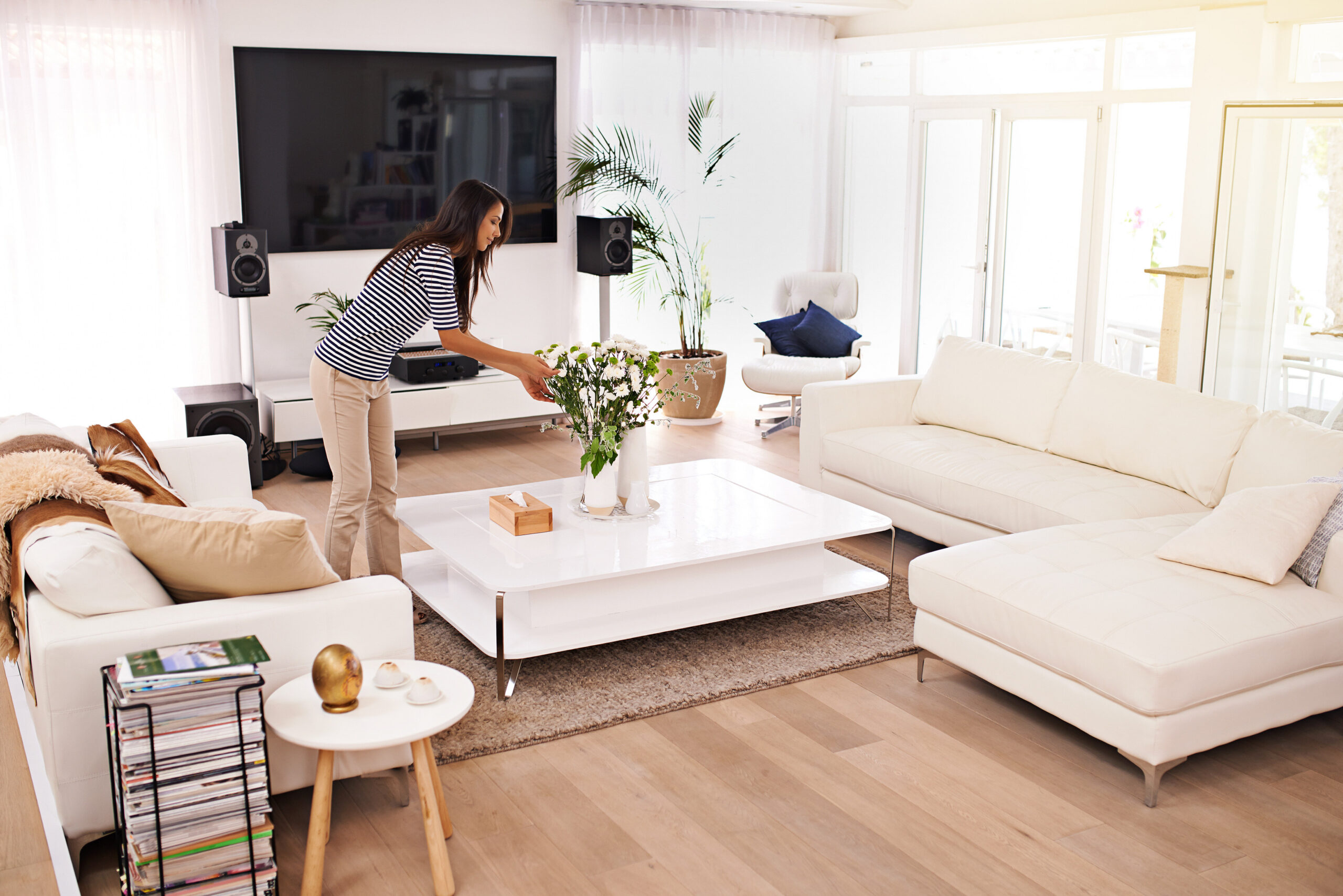
Start by simplifying what is visible in your designated area. Clear surfaces completely and return only what supports the function of the space. Neutral or muted color palettes help reduce visual stimulation. Soft grays, warm beiges, dusty blues, and gentle greens are often calming without feeling cold.
Closed storage is especially helpful in a busy household. Baskets with lids, drawers, and cabinets hide visual noise and allow the eye to rest.
If the space must serve multiple purposes, keep calming elements consistent. For example, if a corner of your bedroom is also your work zone, use matching storage containers and limit decorative items to one or two meaningful pieces.
Use Lighting to Shape the Mood
Lighting has a powerful impact on how stimulating a room feels. Harsh overhead lights can increase tension, especially in the evening.
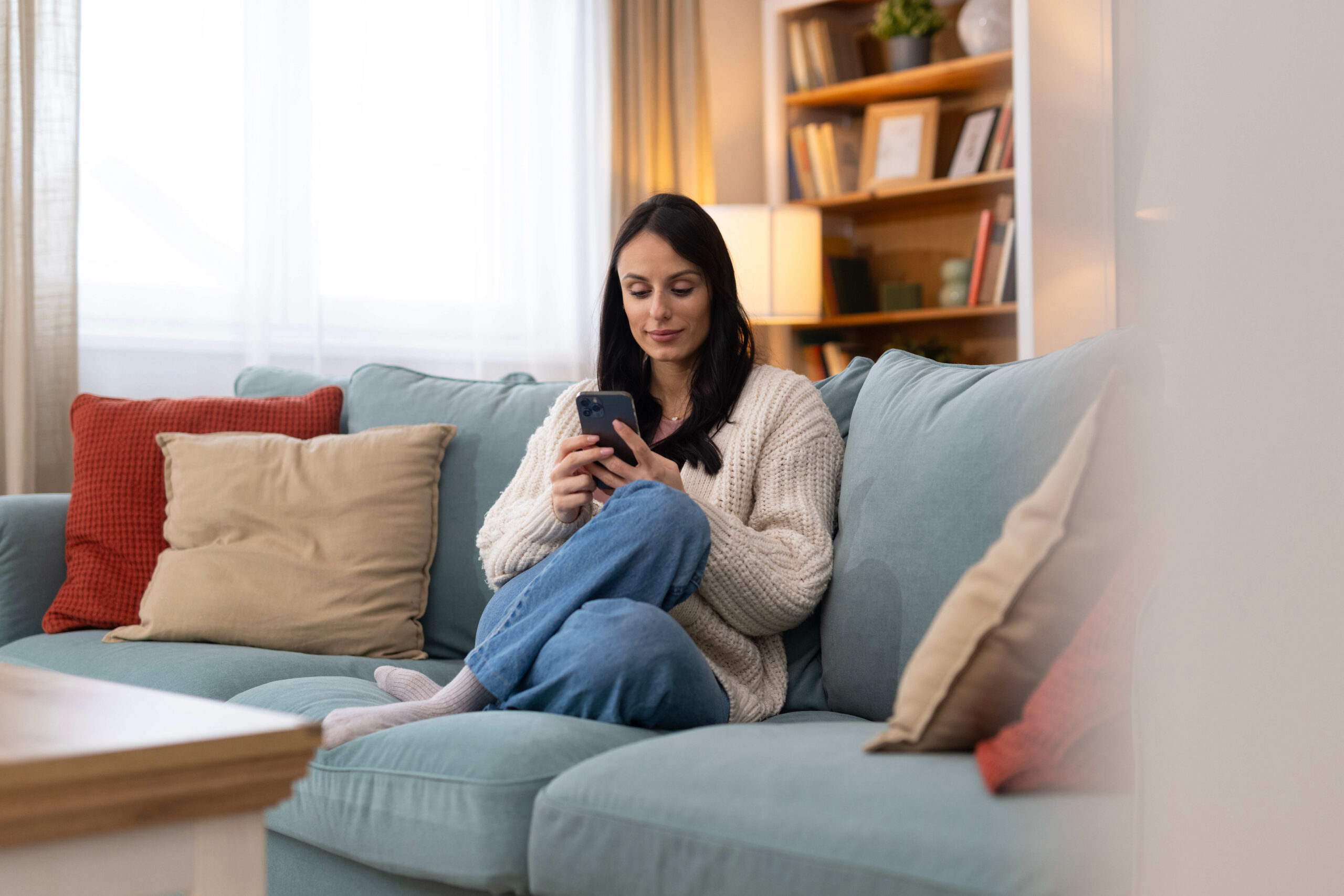
Layered lighting works best in low-stimulation spaces. Combine soft lamps, warm bulbs, and indirect lighting to create depth without glare. Dimmer switches are an affordable upgrade that allow you to adjust brightness based on time of day.
Natural light is ideal when available, but it should be diffused. Sheer curtains can soften bright sunlight while still keeping the space bright.
Here is a quick comparison of common lighting options:
| Lighting Type | Sensory Impact | Best Use Case |
|---|---|---|
| Bright overhead LED | High stimulation | Task-focused kitchen or garage areas |
| Warm table lamp | Low stimulation | Reading corners and relaxation spaces |
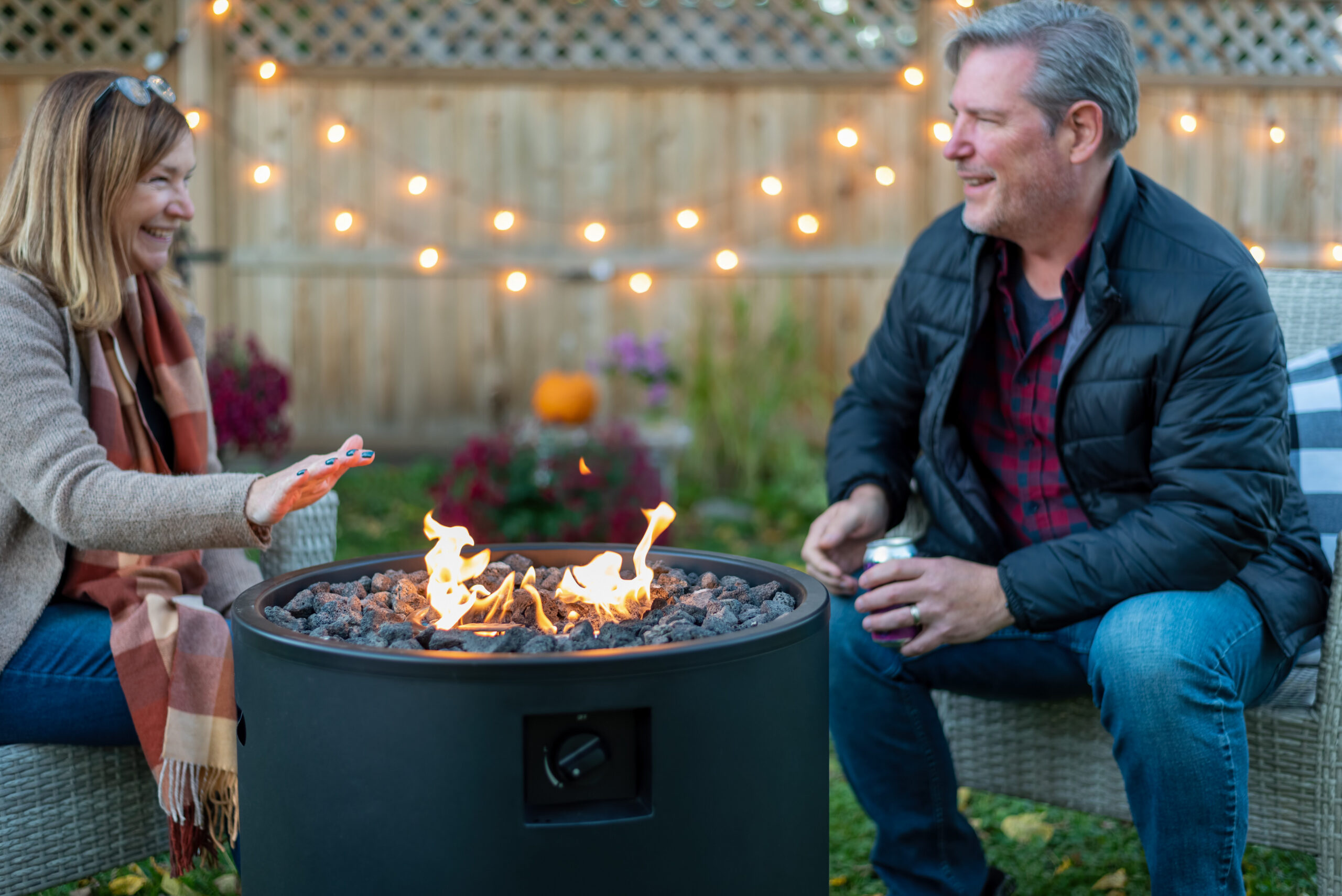
| String or accent lights | Soft, ambient glow | Evening wind-down routines |
| Natural diffused light | Balanced and calming | Daytime focus or quiet breaks |
The goal is flexibility. A calm space should adapt to your needs, whether that means focused work or quiet rest.
Soften Sound Without Major Renovations
Noise is one of the biggest stressors in a shared household. Complete soundproofing can be expensive, but small adjustments make a noticeable difference.
Soft materials absorb sound. Rugs, curtains, upholstered furniture, and fabric wall hangings reduce echo and dampen background noise. Even adding a thick throw blanket over a chair can soften acoustics slightly.
White noise machines or low-volume ambient sound can mask sudden disruptions. For some people, soft instrumental music or nature sounds create a consistent auditory backdrop that feels predictable.
Noise-canceling headphones are another practical solution, especially for remote workers or caregivers who need focused time. They create a portable calm zone when environmental control is limited.
Design for Sensory Comfort, Not Just Style
A low-stimulation space should feel physically comfortable. That means considering texture, temperature, and layout.
Choose soft, breathable fabrics for seating and cushions. Avoid overly rough or shiny materials that reflect light. Weighted blankets can provide grounding pressure for both adults and children, especially during stressful moments.
Keep the layout simple. Avoid overcrowding the area with extra furniture. Leave enough open floor space so movement feels easy and unconfined.
For children or individuals with sensory sensitivities, consider including items that provide gentle input, such as a soft beanbag chair, a rocking chair, or a small tent-style nook. These features can help regulate the nervous system without overstimulating it.
Set Clear Boundaries for the Space
In a busy home, even the calmest corner can lose its purpose without boundaries. Decide how the space will be used and communicate that clearly to household members.
This might mean no loud devices in that area, limited screen time, or quiet voices only. For families, visual cues such as a small sign or consistent setup can reinforce expectations.
You do not need strict rules. Instead, think of it as shared respect for a recharge zone. When everyone understands its purpose, the space is more likely to remain effective.
Consistency builds trust. If a child knows that corner is always available for quiet time, they are more likely to use it before emotions escalate.
Create Simple Rituals That Signal Calm
A low-stimulation space works best when paired with routine. Simple rituals can help your brain shift gears.
This could include lighting a specific lamp in the evening, spending five minutes reading in the same chair each afternoon, or taking slow breaths before starting a work session. The action itself matters less than the repetition.
Rituals create predictability, which reduces stress. Over time, entering the space and following the same small routine tells your body it is safe to slow down.
For work-from-home setups, this might mean beginning the day with a few quiet minutes in your calm zone before checking email. For caregivers, it could mean stepping into the space after a demanding task to reset.
Keep It Flexible as Your Needs Change
Households evolve. Children grow, work schedules shift, and caregiving demands fluctuate. Your calm space should adapt accordingly.
Reassess every few months. Is the lighting still working? Has clutter crept back in? Does the location still make sense?
Small adjustments can keep the space functional without a full redesign. The goal is not perfection. It is sustainability.
If the area starts feeling overstimulating again, revisit the basics: reduce visual noise, soften lighting, simplify the layout.
Building Calm Into Everyday Life
Creating a low-stimulation space in a busy household is not about escaping your responsibilities. It is about supporting your ability to handle them.
When at least one area of your home feels predictable, quiet, and visually simple, it becomes easier to manage everything else. Children may regulate emotions more quickly. Remote workers may focus with less strain. Caregivers may feel less depleted.
Start small. Choose a corner. Clear it. Soften it. Protect it.
In a home filled with movement and noise, even a few square feet of intentional calm can make a measurable difference in how the entire household feels.