Table of Contents
- Why “Guest-Ready” Starts With Design, Not Cleaning
- Choosing Low-Maintenance Finishes That Hide Wear and Tear
- Layout Strategies That Minimize Visual Clutter
- Smart Storage That Keeps Everyday Items Out of Sight
- Creating Quick-Reset Zones for High-Traffic Areas
- Furniture Choices That Reduce Cleaning Effort
- Lighting That Enhances Cleanliness Without Highlighting Imperfections
- A Simple System for Maintaining a Guest-Ready Space
- Balancing Style and Practicality for Long-Term Results
- Designing a Home That Works in the Background
- Sources
Designing a Guest-Ready Home Without Constant Cleaning: Smart Layout and Low-Maintenance Solutions
Keeping your home ready for guests doesn’t have to mean constant cleaning or last-minute stress. The key is designing your space in a way that naturally stays tidy and easy to maintain. With the right materials, layout choices, and storage strategies, you can create a home that looks put together without requiring daily effort.
Why “Guest-Ready” Starts With Design, Not Cleaning
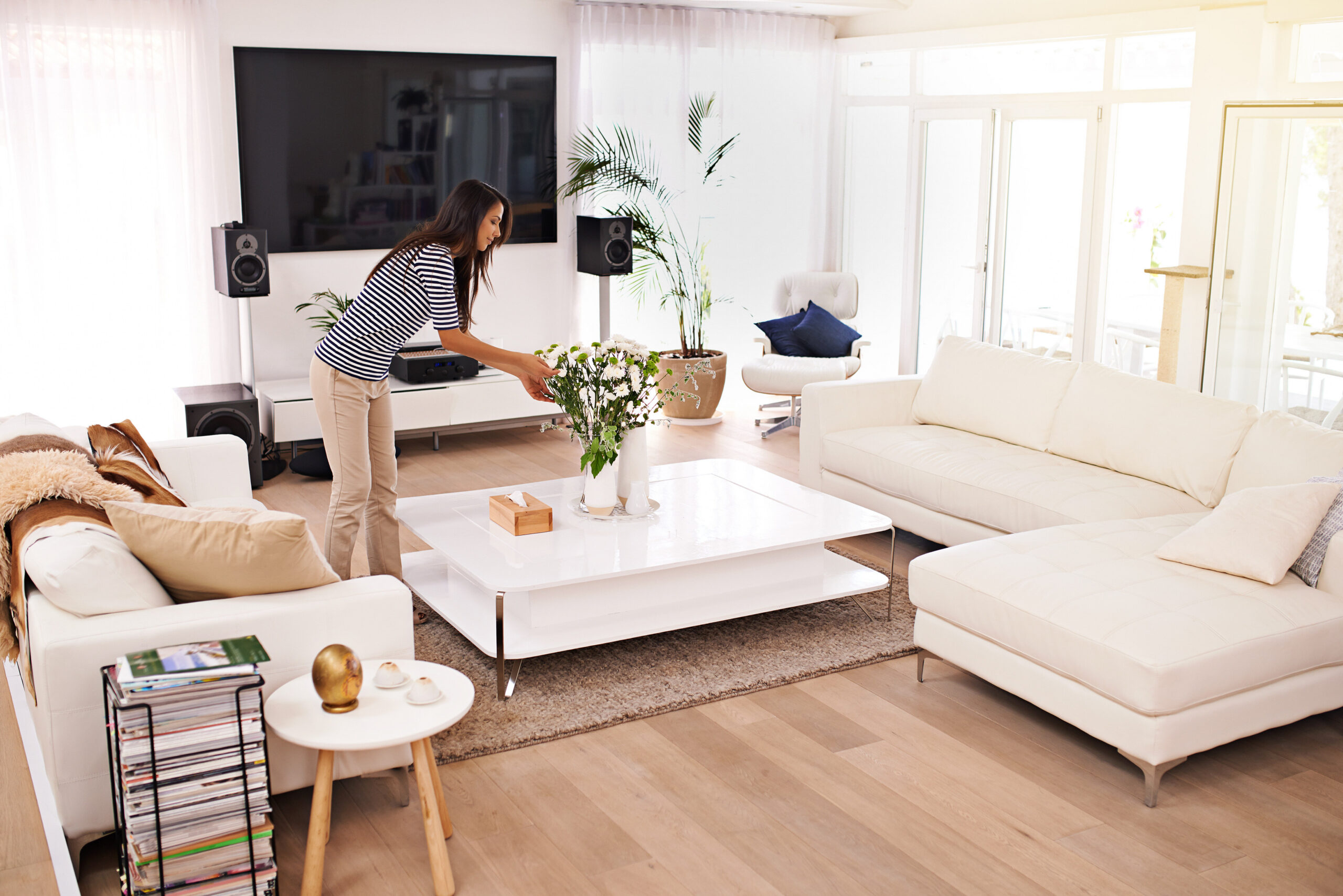
Most people approach guest readiness as a cleaning problem. In reality, it’s a design issue. If your home requires frequent resets just to look presentable, the setup is working against you.
A well-designed space minimizes visible clutter, hides everyday mess, and makes quick resets simple. Instead of constantly managing your environment, your environment supports you. This shift reduces both time spent cleaning and the mental load of keeping things in order.
Choosing Low-Maintenance Finishes That Hide Wear and Tear
Surfaces play a major role in how clean your home appears. Some materials show every fingerprint, smudge, or speck of dust, while others naturally conceal them.
Matte finishes are generally more forgiving than glossy ones. For example, matte countertops and cabinetry tend to hide smudges better than high-shine surfaces. Similarly, textured materials can disguise minor imperfections and reduce the need for frequent wiping.
Flooring is another key factor. Patterns and mid-tone colors are better at masking dirt than very light or very dark floors. Hardwood with visible grain, luxury vinyl plank, or patterned tile can maintain a clean appearance longer between cleanings.
Here’s a comparison of common finishes and their maintenance impact:
| Surface Type | Maintenance Level | What It Hides Well | Best Use Case |
|---|---|---|---|
| Matte countertops | Low | Smudges, fingerprints | Kitchens, bathrooms |
| Glossy finishes | High | Very little | Accent features |
| Textured flooring | Low | Dirt, small debris | High-traffic areas |
| Dark solid floors | Medium–High | Minor stains | Low-traffic areas |
| Mid-tone wood floors | Low | Dust, wear patterns | Living spaces |
Choosing finishes that naturally stay presentable reduces how often you feel the need to clean.
Layout Strategies That Minimize Visual Clutter
A cluttered layout can make even a clean home feel messy. The goal is to create a flow that keeps surfaces clear and distractions minimal.
Open surfaces are important, but they need boundaries. Instead of filling every available space, leave intentional gaps. This makes the room feel calmer and reduces the visual impact of any items that are left out.
Furniture placement also matters. If pathways are tight or awkward, items tend to accumulate in those areas. Creating clear, easy-to-navigate walkways helps prevent clutter from forming in the first place.
Another effective strategy is to limit how many functions each space serves. When a single area is used for too many activities, it becomes harder to keep organized. Defining clear zones within a room can help maintain order without constant effort.
Smart Storage That Keeps Everyday Items Out of Sight
Storage is one of the most powerful tools for maintaining a guest-ready home. The key is making it both accessible and discreet.
Closed storage, such as cabinets, baskets, or storage benches, allows you to quickly hide everyday items without needing to organize them perfectly. This is especially useful in living rooms and entryways where clutter tends to build up.
At the same time, storage should be convenient. If it’s difficult to access, you’re less likely to use it. Items should have a “drop zone” near where they’re naturally used.
A well-designed storage system balances visibility and concealment. Frequently used items should be easy to grab, while less attractive or bulkier items can be tucked away.
Creating Quick-Reset Zones for High-Traffic Areas
Certain areas of your home experience more activity and are more likely to get messy. Instead of trying to keep everything perfect, focus on making these areas easy to reset.
A quick-reset zone is designed so that tidying up takes just a few minutes. This might include a living room with a storage ottoman for blankets, or an entryway with hooks and a small basket for daily essentials.
The goal is not to eliminate mess, but to make it easy to manage. When everything has a place and that place is easy to access, cleanup becomes less of a task and more of a quick habit.
Furniture Choices That Reduce Cleaning Effort
The type of furniture you choose can either simplify or complicate your cleaning routine. Some materials and designs require constant upkeep, while others are more forgiving.
Performance fabrics are a practical option for sofas and chairs. They resist stains and are easier to clean, making them ideal for homes that see frequent use.
Furniture with raised legs can also make a difference. It allows for easier cleaning underneath and creates a lighter, more open look. In contrast, bulky furniture that sits directly on the floor can trap dust and make cleaning more difficult.
Multi-functional furniture, like storage benches or nesting tables, can help reduce clutter while maintaining flexibility in your space.
Lighting That Enhances Cleanliness Without Highlighting Imperfections
Lighting can dramatically affect how clean your home appears. Harsh, direct lighting can emphasize dust and imperfections, while softer, layered lighting creates a more balanced look.
Ambient lighting provides overall illumination, while accent lighting can highlight specific areas without drawing attention to minor flaws. Table lamps, floor lamps, and wall sconces can create a more inviting atmosphere compared to a single overhead light.
Natural light is also important, but it should be managed thoughtfully. Sheer curtains or blinds can diffuse sunlight, reducing glare and making the space feel more comfortable.
A Simple System for Maintaining a Guest-Ready Space
Even with the best design, some level of upkeep is still necessary. The difference is that a well-designed home requires less effort to maintain.
A simple system can help keep things consistent without feeling overwhelming:
- Do a 5–10 minute reset at the end of the day
- Return items to their designated storage zones
- Wipe down high-use surfaces as needed
- Keep a small set of cleaning supplies easily accessible
This approach focuses on consistency rather than intensity. Small, regular actions prevent mess from building up and reduce the need for deep cleaning sessions.
Balancing Style and Practicality for Long-Term Results
It’s easy to focus on aesthetics when designing your home, but practicality is what makes those choices sustainable. A space that looks good but is difficult to maintain will quickly become frustrating.
The best results come from blending style with function. Choose materials, layouts, and furniture that support your daily life while still reflecting your personal taste.
Over time, these decisions create a home that feels both comfortable and manageable. Instead of constantly preparing for guests, your space is already ready.
Designing a Home That Works in the Background
A truly guest-ready home doesn’t require constant attention. It works in the background, quietly supporting your routines and minimizing effort.
By focusing on low-maintenance finishes, thoughtful layouts, and practical storage, you can create a space that stays presentable with minimal upkeep. This not only saves time but also reduces the mental load of keeping everything in order.
The result is a home that feels calm, functional, and ready for whatever the day brings, including unexpected guests.
Sources
National Association of Home Builders – Interior Design and Material Trends
American Cleaning Institute – Cleaning Efficiency and Home Maintenance Habits
U.S. Department of Energy – Residential Lighting Design
Consumer Reports – Furniture Materials and Durability Insights
Harvard Joint Center for Housing Studies – Housing Design and Livability