Table of Contents
- Why Preventive Home Maintenance Pays Off Over Time
- Sealing Air Leaks: A Simple Fix With Ongoing Benefits
- Gutter Maintenance and Drainage Improvements
- Upgrading Caulking and Grout in High-Moisture Areas
- Installing Smart Leak Detectors for Early Warnings
- Improving Ventilation to Prevent Moisture Build-Up
- Protecting Floors With Simple Preventive Measures
- Maintaining HVAC Systems for Long-Term Efficiency
- Exterior Touch-Ups That Prevent Bigger Repairs
- Organizing Utility Areas for Easier Maintenance
- Where This Leads: Building a Low-Maintenance Home Strategy
- A Smarter Way to Approach Homeownership
Easy Weekend Projects That Reduce Long-Term Home Maintenance Costs and Stress
Home maintenance has a way of sneaking up on you. Small issues turn into expensive repairs when they’re ignored, and the cycle can feel never-ending. A few smart weekend projects can shift that dynamic, helping you stay ahead instead of constantly reacting.

Why Preventive Home Maintenance Pays Off Over Time
Most homeowners don’t think about maintenance until something breaks. The problem is that repairs almost always cost more than prevention. A clogged gutter might seem minor until it leads to water damage, or a small draft can quietly increase energy bills month after month.
Preventive upgrades work because they target weak points before they fail. These projects aren’t about making your home look better for a weekend—they’re about reducing long-term costs, minimizing disruptions, and making your home easier to manage over time. When done consistently, they create a compounding effect that saves both time and money.
Sealing Air Leaks: A Simple Fix With Ongoing Benefits
Air leaks are one of the most overlooked sources of inefficiency in a home. Gaps around windows, doors, and utility penetrations allow conditioned air to escape, forcing your heating and cooling systems to work harder.
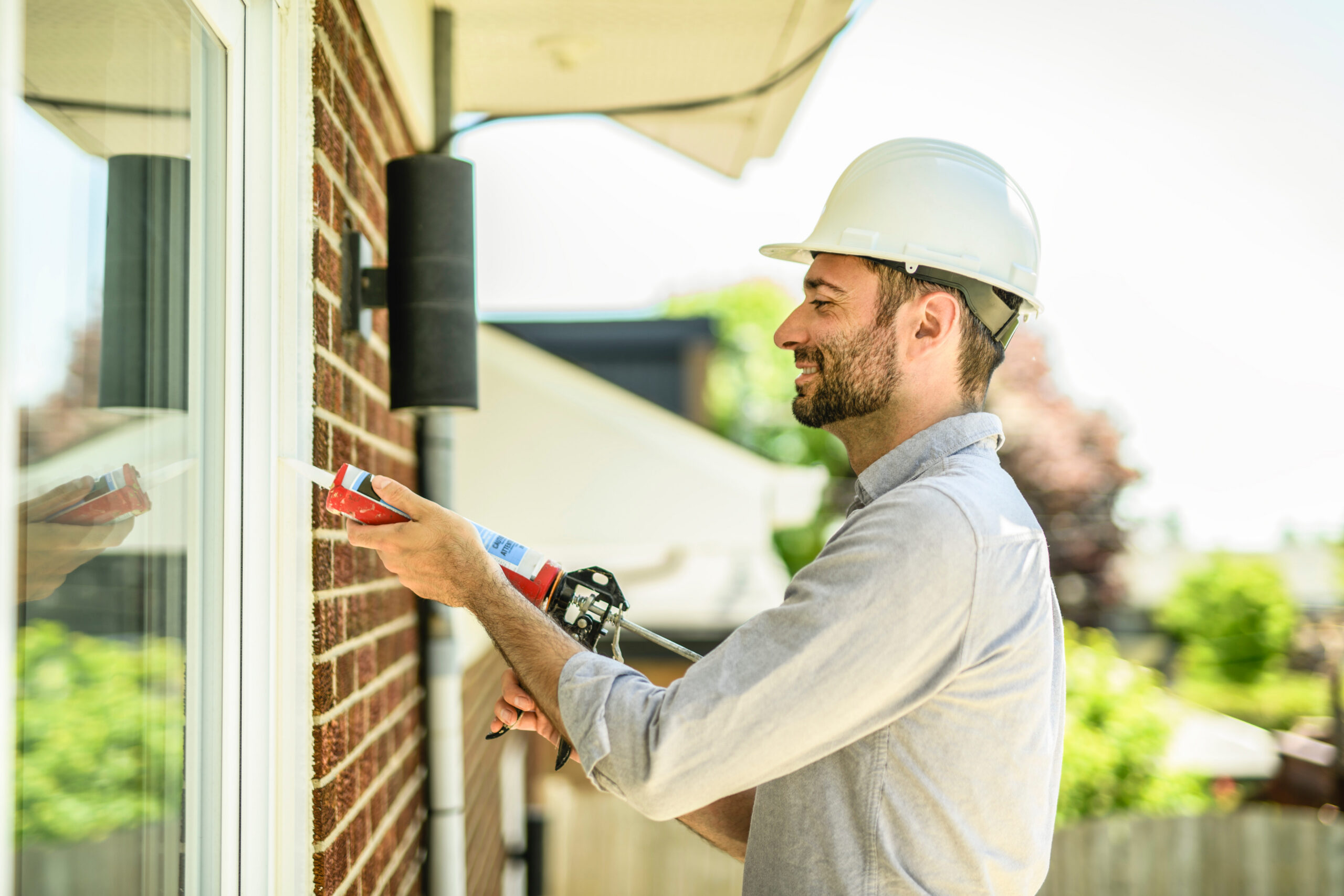
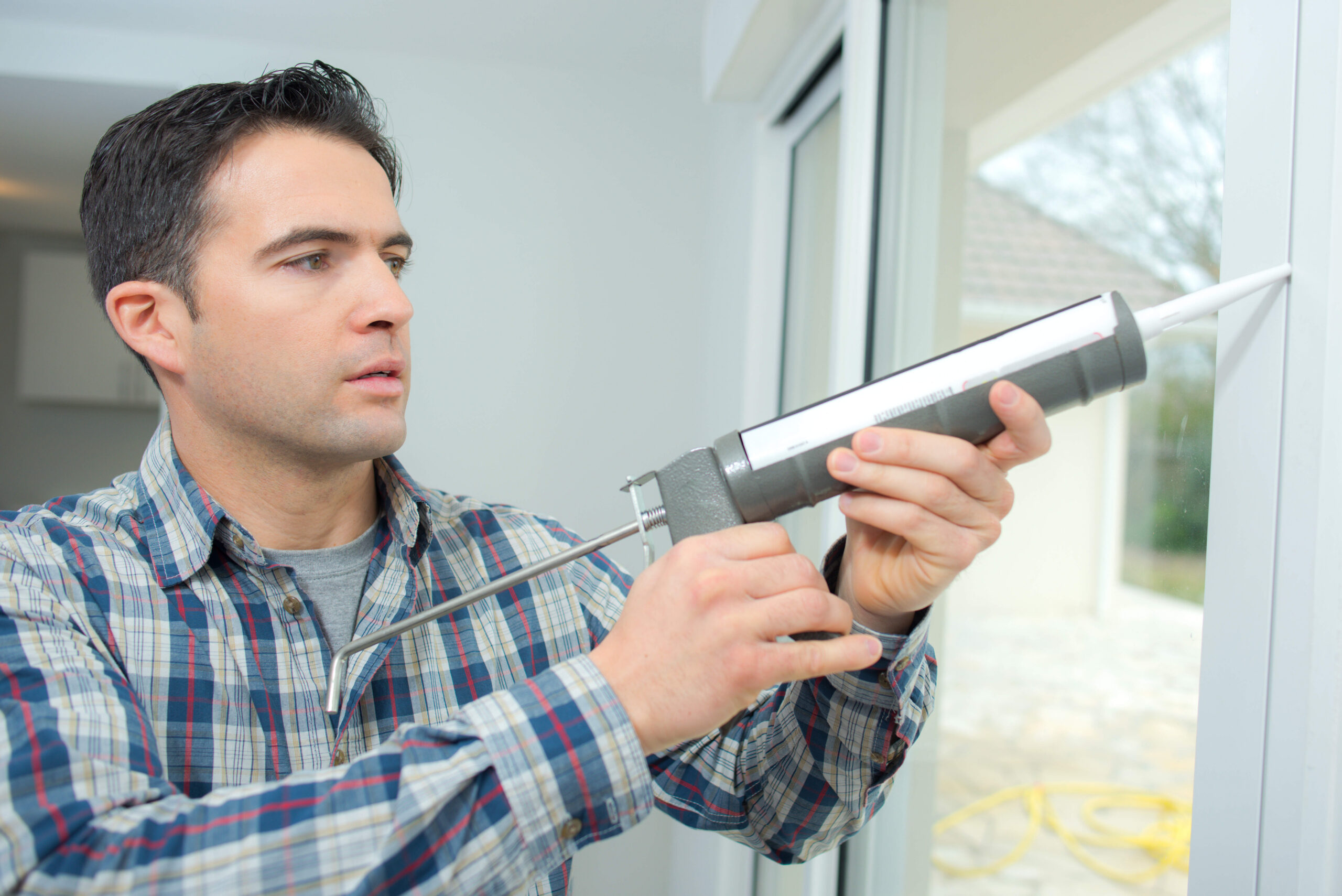
Sealing these leaks is a relatively quick weekend project that delivers immediate and long-term value. Weatherstripping doors, applying caulk around window frames, and sealing small openings in attics or basements can significantly improve energy efficiency.
Beyond energy savings, this also improves comfort. Rooms feel more consistent in temperature, and drafts become less noticeable. Over time, reducing strain on HVAC systems can also extend their lifespan, delaying costly replacements.
Gutter Maintenance and Drainage Improvements
Water is one of the biggest threats to a home’s structure. Poor drainage can lead to foundation issues, roof damage, and even mold growth. That’s why gutters and downspouts deserve more attention than they typically get.
Cleaning gutters is a straightforward weekend task, but adding gutter guards or extending downspouts takes it a step further. These upgrades reduce how often you need to clean and ensure water is directed away from your home more effectively.
Improving drainage around your foundation—such as adding splash blocks or grading soil away from the house—can prevent long-term damage that’s expensive and disruptive to fix. It’s not the most glamorous project, but it’s one of the most impactful.
Upgrading Caulking and Grout in High-Moisture Areas
Bathrooms, kitchens, and laundry rooms are constant sources of moisture. Over time, caulking and grout can crack or deteriorate, allowing water to seep into areas where it shouldn’t be.
Refreshing caulk around sinks, tubs, and backsplashes is a manageable weekend project that helps prevent mold and water damage. Regrouting tile surfaces can also improve durability while giving the space a cleaner appearance.
These small upgrades act as a protective barrier. Instead of dealing with hidden water damage later, you’re reinforcing the areas most likely to experience wear and tear.
Installing Smart Leak Detectors for Early Warnings
Not all maintenance is physical labor. Some of the most effective preventive measures involve technology that alerts you to problems before they escalate.
Smart leak detectors can be placed near water heaters, under sinks, or behind appliances. If a leak is detected, you’ll receive an alert on your phone, allowing you to act quickly.
This type of early warning system can prevent significant damage. A slow leak left unnoticed for weeks can lead to costly repairs, while a timely alert allows you to fix the issue before it spreads. It’s a relatively low-effort upgrade with high long-term value.
Improving Ventilation to Prevent Moisture Build-Up
Poor ventilation can quietly damage a home over time. Excess moisture leads to mold growth, wood rot, and reduced indoor air quality. Bathrooms and kitchens are especially vulnerable.
Installing or upgrading exhaust fans is a practical weekend project that improves airflow and reduces humidity. Ensuring that vents actually direct air outside—not just into an attic—is an important detail that’s often overlooked.
Better ventilation doesn’t just protect your home’s structure. It also creates a healthier living environment, which is an added benefit that extends beyond maintenance concerns.
Protecting Floors With Simple Preventive Measures
Floors take constant abuse, especially in high-traffic areas. Scratches, dents, and moisture damage can accumulate quickly if preventive steps aren’t taken.
Adding protective pads to furniture legs, using entryway mats, and sealing hardwood floors are all simple upgrades that extend the life of your flooring. These projects don’t require advanced skills, but they can delay the need for costly refinishing or replacement.
The goal is to reduce wear before it becomes visible damage. Over time, these small actions preserve both the appearance and durability of your floors.
Maintaining HVAC Systems for Long-Term Efficiency
Heating and cooling systems are among the most expensive components of a home. Keeping them in good condition is essential for avoiding major repair or replacement costs.
Replacing air filters, cleaning vents, and clearing debris around outdoor units are all tasks that can be done over a weekend. These actions improve efficiency and reduce strain on the system.
For a clearer picture of how small maintenance tasks impact long-term performance, consider this breakdown:
| Maintenance Task | Time Investment | Immediate Benefit | Long-Term Impact |
|---|---|---|---|
| Replace air filters | 10–15 minutes | Better airflow | Extended HVAC lifespan |
| Clean vents | 1–2 hours | Improved air quality | Reduced system strain |
| Clear outdoor unit | 30 minutes | Better efficiency | Lower repair risk |
| Seal duct leaks | 2–3 hours | Consistent temperatures | Energy cost reduction |
These tasks may seem minor, but together they create a more efficient and reliable system.
Exterior Touch-Ups That Prevent Bigger Repairs
The outside of your home is constantly exposed to the elements. Small vulnerabilities can quickly turn into major issues if they’re ignored.
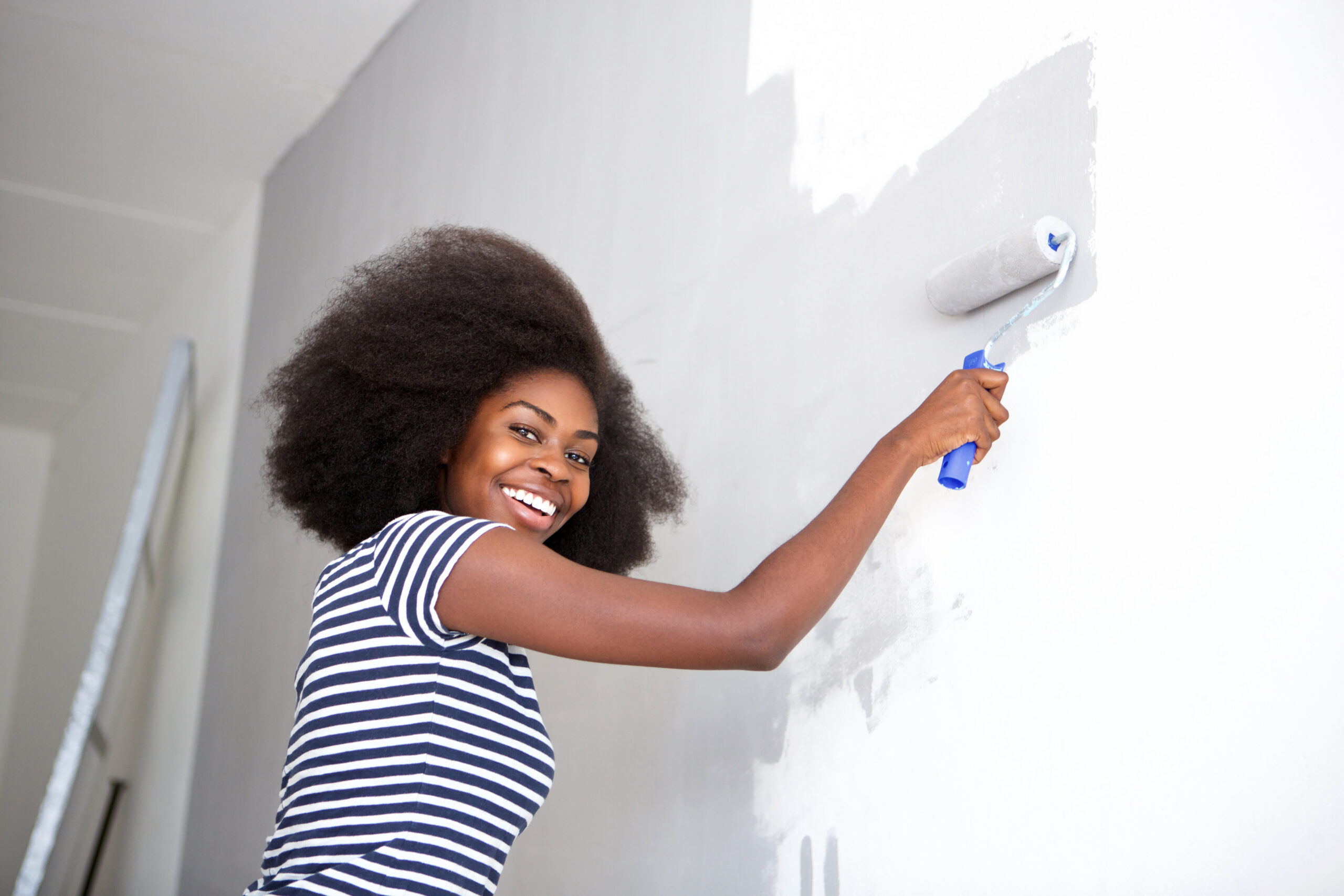
Inspecting and touching up paint, sealing cracks in siding, and repairing minor roof damage are all projects that can be tackled over a weekend. These actions protect your home from moisture, pests, and weather-related wear.
Even something as simple as trimming back vegetation can make a difference. Plants that are too close to the house can trap moisture and contribute to long-term damage.
Organizing Utility Areas for Easier Maintenance
Maintenance becomes easier when your home is organized. Cluttered utility spaces make it harder to spot issues and perform routine tasks.
Spending a weekend organizing areas like basements, garages, or utility closets can improve accessibility and efficiency. Labeling shut-off valves, grouping tools, and creating clear pathways all contribute to a more manageable home.
This kind of project doesn’t directly repair anything, but it supports every other maintenance task you’ll do in the future.
Where This Leads: Building a Low-Maintenance Home Strategy
Weekend projects are a starting point, not a complete solution. The real goal is to create a system that keeps your home in good condition with minimal effort over time.
As you complete these projects, patterns start to emerge. You’ll notice which areas require the most attention and where additional upgrades might be worthwhile. This can lead to bigger decisions, such as investing in more durable materials or upgrading key systems.
The idea isn’t to eliminate maintenance entirely—that’s unrealistic. Instead, it’s about reducing the frequency and severity of issues so they’re easier to manage.
A Smarter Way to Approach Homeownership
Owning a home doesn’t have to feel like a constant cycle of repairs. By focusing on preventive measures, you can shift your approach from reactive to proactive.
These weekend projects are practical, manageable, and designed to create long-term benefits. They don’t require specialized skills or large budgets, but they do require consistency.
Over time, the payoff becomes clear. Fewer emergencies, lower repair costs, and a home that functions more efficiently. That’s the kind of progress that makes homeownership feel more sustainable—and a lot less stressful.