Table of Contents
Low-Cost Ways to Make a Drafty Home Warmer This Winter
Drafts are one of the more insidious home comfort problems because they’re felt constantly but rarely traced to their specific sources, which means most households with drafty rooms address the symptom by turning up the heat rather than addressing the actual air infiltration that’s making the heating system work harder and the rooms feel cold regardless of what the thermostat says. The good news is that the most effective draft solutions cost very little — most of the materials needed run between $5 and $50 — and the improvement in comfort and heating costs is often immediate and significant.
Find the Drafts Before You Fix Them
The most efficient approach to draft reduction is systematic identification before any materials are purchased, because spending money on weatherstripping for a door that’s not your primary air infiltration source while missing a significant gap around a basement rim joist is exactly the kind of inefficient effort that leaves people feeling like they’ve done the work without getting the results. A methodical air infiltration search that identifies where cold air is actually entering the house produces a prioritized list of interventions that delivers maximum comfort improvement per dollar spent.
The incense stick or candle method is the most accessible diagnostic tool available — a lit stick of incense or a candle held near suspected infiltration points will produce visible smoke or flame deflection when moving air is present. Work around every exterior wall systematically: the perimeter of every window and door frame, electrical outlets and switch plates on exterior walls, the point where the baseboard meets the floor on exterior walls, around pipe and wire penetrations through exterior walls, and the joint between the wall and ceiling on top-floor rooms with attics above. Attic hatches are among the most commonly overlooked significant infiltration points in older homes — an unsealed attic hatch allows warm air to rise directly into the attic and cold attic air to fall into the living space below.
The feeling test on a cold windy day is equally effective for larger gaps. With the heat running and the house under slight positive pressure, moving your hand slowly along door frames, window frames, and baseboards on exterior walls reveals cold air movement that the incense test would catch as well. This approach covers ground quickly and identifies the most significant infiltration points by the intensity of the cold air movement felt.
Door Weatherstripping and Thresholds
Exterior doors are the most significant single source of air infiltration in most homes, and the weatherstripping that seals the gap between the door and its frame degrades over years of use in ways that are gradual enough that the deterioration isn’t noticed until a significant amount of air movement has developed. Replacing door weatherstripping is a two-hour project that costs under $30 in materials and produces one of the most immediately noticeable improvements in home comfort available at any price point.
Foam tape weatherstripping is the most accessible option and works well on door frames where the gap is consistent around the perimeter — it compresses against the door when closed and creates a seal that stops air movement. Vinyl V-strip weatherstripping is more durable and works better on door frames where the gap is slightly irregular, because the V shape flexes to maintain contact even where the frame isn’t perfectly parallel to the door edge. Either type is installed by removing the old weatherstripping entirely, cleaning the frame surface thoroughly to ensure adhesion, and pressing the new strip into place along the door stop where the door contacts the frame.
The door threshold seal is the component most often responsible for the visible daylight and cold air movement at the bottom of exterior doors that most homeowners notice first. Door sweep attachments that mount to the bottom of the door and drag along the threshold create a continuous seal that the original threshold alone may not provide, particularly as the threshold surface wears and the door drops slightly with age. Automatic door bottoms that deploy when the door is closed and retract when it opens are more sophisticated and more effective than simple door sweeps for frequently used doors, and at $20 to $50 they represent excellent value for a primary entry door.
Window Film and Secondary Glazing
Windows are responsible for a disproportionate share of heat loss in most homes because glass conducts heat far more rapidly than insulated walls, and single-pane windows in older homes provide almost no resistance to heat transfer. Short of window replacement, the two most effective low-cost interventions are interior insulating film and thermal curtains, which address different aspects of window heat loss and can be used together for maximum effect.
Shrink-film window insulation kits create a secondary glazing layer by stretching clear plastic film across the interior of the window frame and shrinking it tight with a hair dryer to eliminate visible wrinkling. The air gap between the film and the glass provides meaningful additional insulation value and simultaneously eliminates the draft that results from cold air falling off the glass surface and creating the cold floor-level air movement that makes rooms with large windows feel consistently cold. The film is invisible once properly installed and can be removed cleanly at the end of winter without damaging the window frame. At $15 to $25 for a kit that covers multiple windows, this is the highest value-per-dollar window insulation solution available.
Thermal curtains installed with the curtain rod positioned close to the wall and with the curtains hanging as close to the floor as possible create an air barrier that reduces the heat loss through the window significantly compared to uninsulated curtains or bare windows. The effectiveness of thermal curtains depends on how well they seal at the sides and bottom — a curtain that hangs several inches away from the wall and several inches above the floor allows convective air circulation against the window that defeats much of the insulating benefit. Adding curtain returns that wrap the curtain edge back to the wall, or installing a simple side channel that guides the curtain edge against the wall surface, captures substantially more of the thermal benefit that curtain manufacturers measure in laboratory conditions.
Outlet and Switch Plate Sealing
Electrical outlets and switch plates on exterior walls are a surprisingly significant air infiltration source that most homeowners have never thought to address. The electrical boxes installed in exterior walls are typically not airtight, and the gap around the box between the interior drywall and the exterior wall cavity creates a direct path for cold air to enter the room. The fix is extremely inexpensive and takes less than an hour for an entire home.
Pre-cut foam gaskets sold specifically for electrical outlets and switch plates are available at any hardware store for under $5 for a pack of ten. Installation requires only removing the cover plate, pressing the foam gasket against the wall behind the cover plate, and replacing the cover plate over the gasket. The gasket seals the perimeter gap between the box and the drywall and creates a noticeably warmer outlet plate surface — a cold outlet plate on an exterior wall is the indicator that air infiltration is occurring, and a plate that warms up after the gasket is installed confirms the seal is working.
Child-safety outlet plugs installed in unused outlets on exterior walls add a second layer of draft reduction by sealing the outlet openings themselves. This is a secondary measure that adds little value if the perimeter gap has already been addressed with foam gaskets, but it’s worth including when doing the gasket installation because the combined effect is complete sealing of the electrical box.
Pipe, Wire, and Structural Penetrations
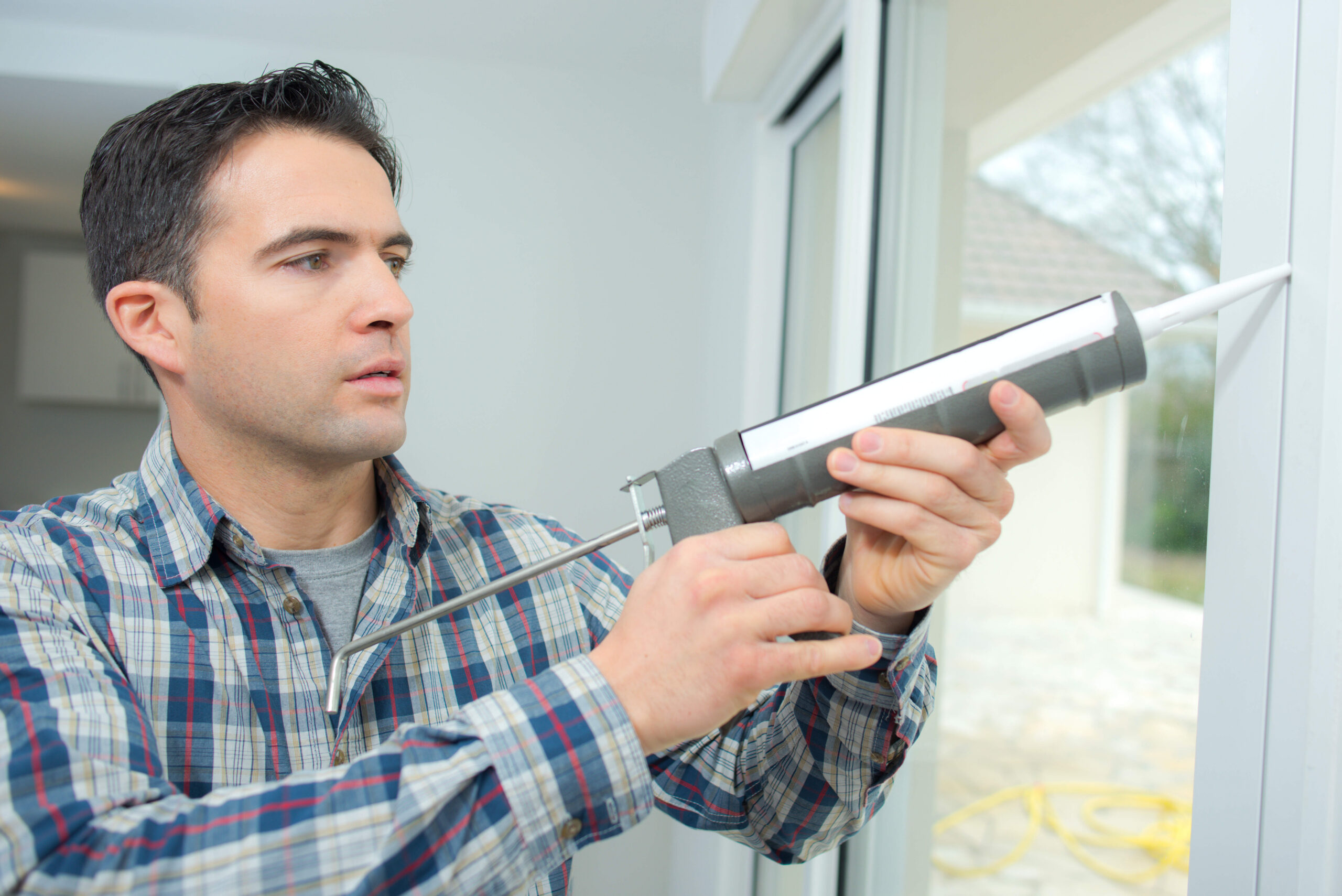
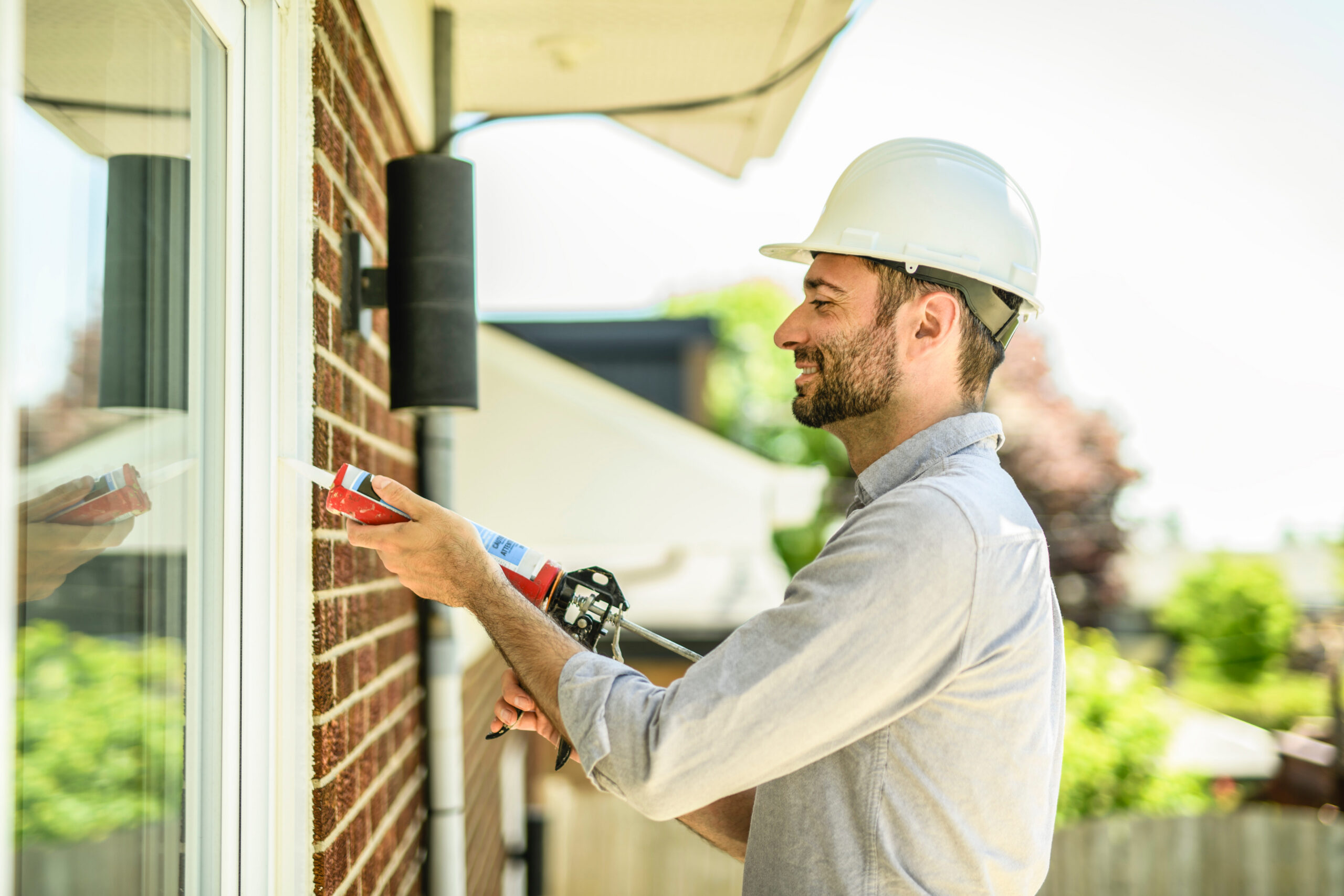
Every hole in an exterior wall that allows a pipe, wire, cable, or duct to pass through from inside to outside is a potential air infiltration point, and in homes with multiple penetrations for cable television, internet, phone, gas, plumbing, and electrical service, the aggregate infiltration through improperly sealed penetrations can be substantial. Sealing these penetrations with expandable spray foam or exterior caulk is a straightforward task that requires getting access to each penetration and applying a small amount of sealant, which typically takes an afternoon to cover an entire house.
The gap around pipes and wires where they pass through exterior walls from the interior side is the access point for this sealing. Expanding foam sealant fills irregular gaps completely and adheres to virtually any material, making it ideal for irregular penetrations around pipes of varying sizes. For smaller gaps around wires and cables, exterior-grade caulk applied at the wall surface creates a clean seal without the expansion that can be problematic in tight spaces.
Basement rim joists — the framing members that sit on top of the foundation wall and support the floor structure above — are the largest single air infiltration point in many homes with full or partial basements, and they’re also the most accessible for sealing during winter because the basement provides access regardless of outdoor conditions. The joint between the rim joist and the foundation wall and the joint between the subfloor and the rim joist are both infiltration points that can be sealed with expanding foam sealant applied generously along the full length of every rim joist bay. In homes where rim joist sealing hasn’t been done previously, the comfort improvement in first-floor rooms is often significant enough to be noticed immediately.
Chimney and Fireplace Draft Management
Unused or infrequently used fireplaces are among the most significant sources of cold air infiltration in homes that have them, because the chimney flue creates a direct vertical pathway between the exterior and the interior that the damper alone — even a well-sealing one — doesn’t fully close. Cold air falls down the chimney and enters the room even when the damper is nominally closed, and warm room air rises up the chimney continuously in a process that can represent a significant heating load throughout the winter.
Inflatable chimney balloon inserts, sometimes called fireplace draft stoppers, are a direct solution that fits inside the flue above the firebox and inflates to seal the chimney opening completely when the fireplace isn’t in use. At $50 to $80, they’re the most effective chimney draft solution available without professional work, and the heat they retain pays for the purchase cost quickly in reduced heating bills. The balloon deflates before a fire can be lit, providing a safety protection against accidentally lighting a fire with the insert in place.
For fireplaces where the damper fits poorly or has deteriorated to the point where it no longer seals effectively, a top-sealing damper installed at the top of the chimney flue is a more permanent and more effective solution than a bottom damper replacement, though it requires either a comfortable relationship with roof access or a chimney professional. Top-sealing dampers create a weatherproof seal at the top of the flue that eliminates both infiltration and precipitation entry, and they’re typically under $200 installed — a cost recovered in heating savings within a single winter in most climates.
Insulating Interior Spaces That Leak Cold Into Living Areas
Beyond the direct exterior air infiltration that weatherstripping and caulking address, some of the cold that enters living spaces in winter comes from unheated interior spaces — attached garages, crawlspaces, unheated attics, and in multi-story homes the temperature gradient between floors. The walls, floors, and ceilings that separate conditioned living space from these unheated areas are frequently underinsulated compared to exterior walls, and addressing them produces comfort improvements that weatherstripping alone can’t achieve.
Garage walls and ceilings shared with conditioned living space that lack adequate insulation allow the temperature of the unheated garage to significantly affect the adjacent rooms. Adding insulation to garage-side surfaces, where accessible without major construction, produces noticeable improvement in adjacent room temperatures. The door between the garage and the house interior is often a standard interior door without weatherstripping, and fitting it with the same weatherstripping treatment used on exterior doors reduces the air exchange between the two spaces at minimal cost.
Crawlspace vents that allow cold exterior air to circulate under the floor can make first-floor rooms feel persistently cold regardless of the thermostat setting, because the floor surface temperature drops toward the crawlspace air temperature and conducts cold into the room above. Temporarily closing crawlspace vents during winter — many building codes now support conditioned crawlspaces rather than ventilated ones — reduces the cold floor effect, and adding batt insulation to the floor joist bays above the crawlspace is a weekend project that produces one of the most noticeable comfort improvements available in homes with this construction type.