Table of Contents
Backyard Privacy Solutions That Don’t Require a Fence
A fence is the default answer most people reach for when a backyard feels too exposed, but it’s far from the only option, and in many cases it’s not even the most effective one for the specific kind of privacy you’re actually trying to create. Exploring alternatives, whether because of cost, HOA restrictions, or simply a preference for something softer and more natural, opens up a range of solutions that can feel more intentional and often more attractive than a straight run of fencing.
Living Screens That Create Privacy While Adding Value
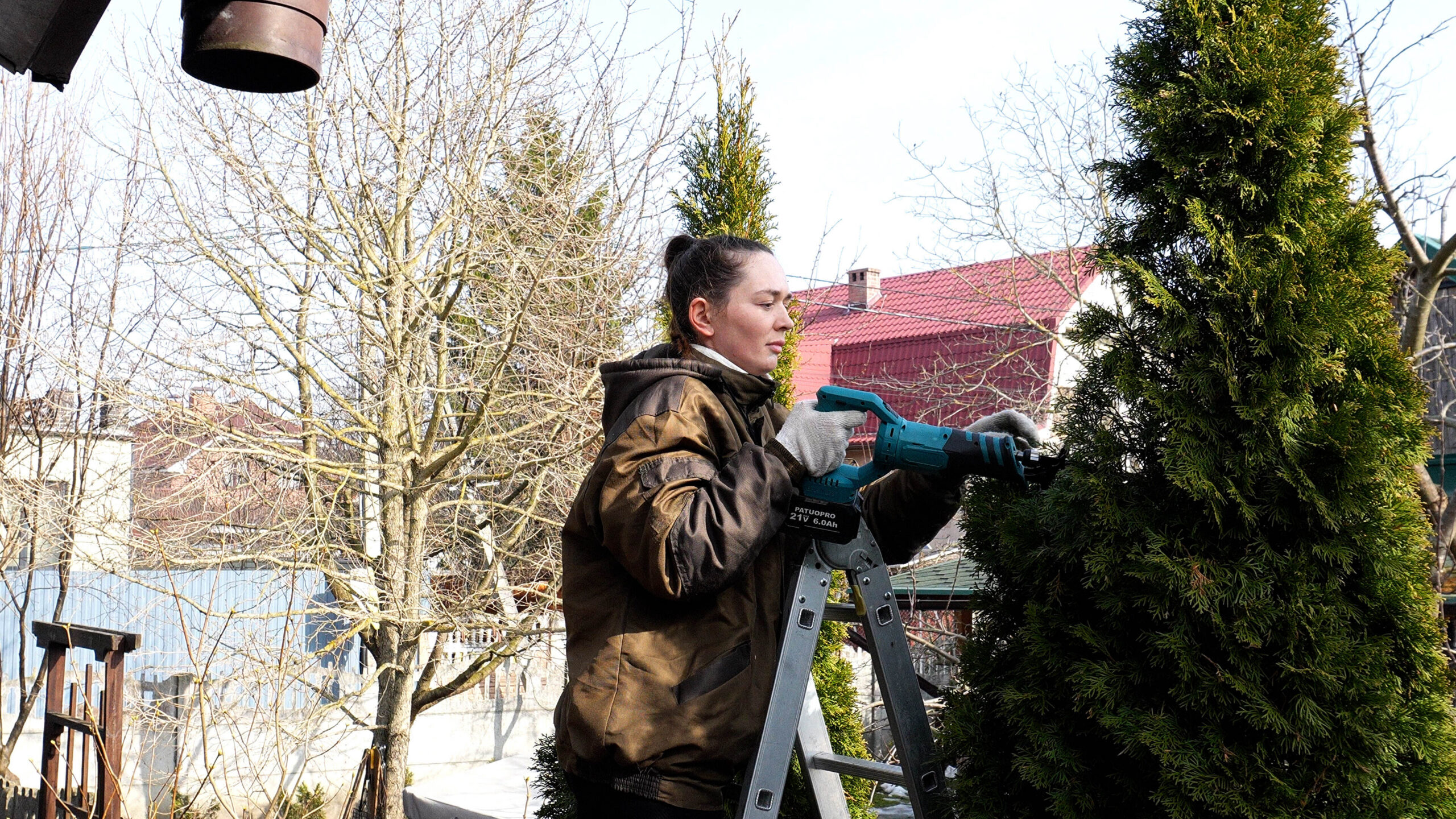
Strategically placed trees and tall shrubs remain one of the most effective long-term privacy solutions available, and they offer something a fence fundamentally can’t, since a mature planting continues to grow, fill in, and improve in both coverage and appearance over time rather than aging and eventually needing replacement the way fencing materials do. Evergreen varieties are particularly valuable for this purpose specifically because they maintain their screening effect through every season, unlike deciduous trees that lose their privacy value entirely once their leaves drop for winter, right around the time many people spend more time looking out their windows at a bare, exposed yard. Choosing a variety suited to your specific climate and expected mature height, rather than simply picking whatever looks appealing at the nursery, matters considerably here, since a tree that eventually outgrows its intended space can create its own problems with roots, overhanging branches, or blocked sightlines that weren’t part of the original plan.
Bamboo, when planted in contained or clumping varieties rather than the more aggressively spreading types, can create a dense, fast-growing privacy screen considerably quicker than most traditional trees, making it a reasonable option for anyone who wants meaningful coverage without waiting several years for a young tree to mature. It’s worth researching the specific variety carefully before planting, since some bamboo types spread aggressively through underground rhizomes and can become genuinely difficult to contain once established, while clumping varieties stay much more predictably within their planted area and are considerably easier to manage long term. Layering different plant heights, tall trees in the back, medium shrubs in the middle, and lower plantings in front, creates a fuller, more effective visual barrier than relying on a single row of identical plants, while also looking more like an intentional landscape design than a simple attempt to block a view.
Structural Alternatives That Aren’t Traditional Fencing
Pergolas and trellises fitted with climbing vines offer a middle ground between a hard architectural structure and a purely living screen, providing privacy specifically where you need it, such as directly over a patio or deck seating area, without the cost and visual weight of fencing an entire yard perimeter. Fast-growing climbing plants like clematis, climbing hydrangea, or certain varieties of jasmine can fill in a trellis structure within a single growing season or two, creating a green, textured privacy wall that also adds seasonal interest through flowering periods that a plain fence simply can’t offer. This kind of targeted screening works particularly well for smaller yards where blocking sightlines from one or two specific angles matters more than achieving full perimeter privacy, letting you concentrate your investment exactly where it delivers the most benefit.
Outdoor curtains or shade sails mounted between posts or attached to an existing structure like a pergola or the side of the house provide a surprisingly effective and relatively inexpensive privacy solution, particularly for a patio or outdoor dining area where you want adjustable privacy rather than a permanent fixed barrier. These can be drawn back entirely when you want an open view and closed when you want more seclusion, offering a flexibility that permanent fencing or planted screens simply don’t provide, and they’re also considerably easier to remove or replace if your privacy needs change down the line. Raised garden beds combined with taller ornamental grasses can serve a similar dual purpose, creating a soft visual barrier while also giving you a functional growing space, effectively getting two benefits out of the same square footage a fence would otherwise occupy without adding anything beyond the barrier itself.
Considering How Privacy Needs Vary by Area of the Yard
Not every part of a backyard requires the same level of privacy, and recognizing this distinction helps you avoid overinvesting in blanket coverage when a more targeted approach would serve you just as well for considerably less cost and effort. A seating or dining area used primarily during the day might only need screening from a specific neighboring sightline or a particular angle from the street, rather than complete enclosure on every side, and identifying exactly which specific views actually bother you lets you concentrate your privacy solution precisely where it matters most.
- Walk your yard at different times of day and sit in the specific spots where you spend the most time, noting exactly which sightlines actually feel exposed rather than assuming the entire perimeter needs equal attention, since this targeted approach often reveals that a much smaller, more affordable intervention addresses the real problem more effectively than a full perimeter solution would.
Areas used primarily in the evening might have different privacy needs than daytime spaces, since exterior lighting design, positioned to illuminate your own space without spilling into a neighbor’s line of sight, can meaningfully reduce the sense of being observed after dark without requiring any additional physical screening at all. Thinking through your yard’s actual use patterns before committing to any specific privacy solution helps ensure the investment you make, whether in plants, structures, or lighting, actually addresses the specific exposure that bothers you rather than a generic assumption about what privacy should look like.
Combining Approaches for a More Complete Solution
The most effective backyard privacy setups often combine two or three of these approaches rather than relying on a single solution to do all the work. A row of large potted shrubs or small trees placed strategically along a patio edge, combined with a pergola and climbing vine overhead, can create a genuinely enclosed, private feeling space without a single traditional fence panel anywhere in the design, while also looking considerably more intentional and attractive than a utilitarian fence line would. This layered approach also offers more resilience than a single solution, since if one element, say a young tree that hasn’t fully filled in yet, isn’t providing full coverage on its own, the combined effect of the other elements still delivers meaningful privacy in the meantime.
Working through your specific privacy concerns methodically, identifying exactly which views bother you, which times of day matter most, and which budget and maintenance level feels realistic for your situation, gives you a much clearer basis for choosing among these options than simply defaulting to whatever privacy solution is most commonly recommended online. Many of these approaches also tend to increase a property’s overall appeal and value in ways that a plain fence often doesn’t, since mature, thoughtfully placed plantings and attractive structural elements read as genuine landscape investment rather than a purely functional barrier, giving you privacy and curb appeal from the same investment rather than treating them as separate goals.