Table of Contents
Home Maintenance Tasks Most People Ignore Until It’s Too Late
Some home maintenance tasks get skipped simply because they’re inconvenient, but plenty of others get skipped because most homeowners genuinely don’t know they need doing at all until something fails and a repair technician explains, often with a slightly exasperated tone, that this specific problem is exactly what regular maintenance would have prevented. Understanding which tasks fall into this commonly overlooked category, and building a habit around addressing them proactively, can meaningfully reduce the number of expensive emergency repairs a home ends up needing over time.

HVAC Maintenance Beyond Just Changing the Filter
Most homeowners know they’re supposed to change their HVAC filter periodically, but far fewer realize that this is only one piece of a maintenance routine that, left incomplete, can significantly shorten a system’s lifespan and increase energy costs well before any obvious failure occurs. Outdoor condenser units accumulate leaves, dirt, and debris around their coils over time, and this buildup restricts airflow in a way that forces the system to work harder and less efficiently, quietly increasing your energy bills for months or years before anyone notices the connection between a dirty outdoor unit and a rising utility bill. Clearing debris away from the unit and gently rinsing the coils with a garden hose a couple of times a year addresses this specific issue directly, and it’s a task most homeowners are fully capable of handling themselves without any specialized tools or expertise.
Annual professional servicing, which typically includes checking refrigerant levels, inspecting electrical connections, and testing overall system performance, catches developing problems long before they become the kind of complete system failure that happens, inconveniently but predictably, during the least convenient possible week of extreme summer or winter weather. Skipping this annual service is one of the most common ways homeowners inadvertently shorten the lifespan of an expensive system, since many of the issues a professional technician catches during a routine inspection develop slowly and invisibly, giving no warning signs to an untrained eye until the underlying problem has already caused meaningful wear on other components.
Gutter and Drainage Systems That Quietly Cause Structural Damage
Gutters clogged with leaves and debris rank among the most commonly ignored maintenance tasks specifically because the consequences of neglecting them aren’t immediately visible from ground level, and by the time the resulting damage does become visible, it’s often already substantial. Water that can’t flow properly through a clogged gutter system overflows instead, running down the exterior siding and pooling directly against the foundation, and this kind of repeated water exposure gradually damages siding, promotes wood rot around the roofline, and can contribute to foundation issues that are vastly more expensive to address than simply cleaning gutters twice a year would have been.
Downspouts deserve equal attention, since a gutter system can be perfectly clear while a clogged or improperly directed downspout still dumps water directly against the foundation rather than channeling it safely away from the house. Checking that downspouts extend far enough from the foundation, generally several feet at minimum, and that the ground beneath them is graded to direct water further away rather than allowing it to pool, addresses a genuinely common source of basement moisture and foundation problems that many homeowners never connect back to their gutter and drainage system until a much larger, more expensive issue has already developed.
Caulking and Weatherstripping That Silently Fails Over Time
The caulking around windows, doors, and bathroom fixtures degrades gradually over years, developing small cracks and gaps that are individually minor but that collectively allow meaningful amounts of water and air infiltration once enough of them accumulate throughout a house. This kind of gradual failure is particularly easy to overlook because no single cracked bead of caulk feels urgent on its own, and it’s only when you step back and notice the cumulative effect on energy bills or, worse, discover water damage around a window frame that the actual cost of this neglected maintenance becomes apparent.
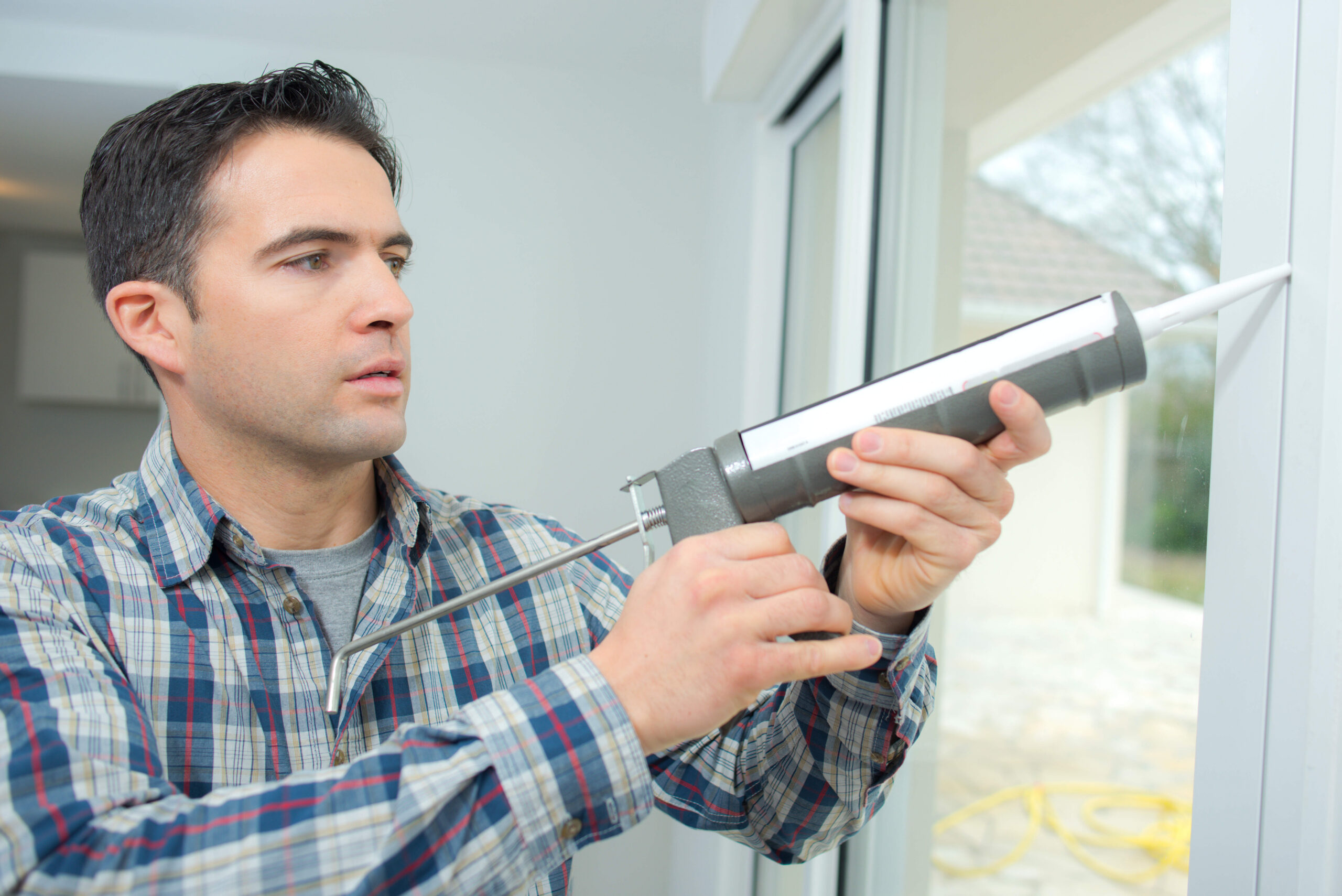
Checking and re-caulking around window and door frames, bathroom fixtures, and any exterior penetrations once a year catches this degradation before it allows meaningful water infiltration, and it’s a task well within reach of most homeowners using nothing more than a caulking gun and a tube of appropriate sealant. Weatherstripping around doors deserves similar periodic attention, since this material compresses and wears down with regular use over time, gradually losing its ability to seal effectively even though the change happens slowly enough that most people don’t notice until they feel an unexpected draft or see a jump in their heating bill that doesn’t correspond to any obvious cause.
Water Heater Maintenance That Extends System Lifespan
Water heaters are a classic example of an appliance that runs quietly in the background for years without any attention, right up until the day it fails completely, often in a way that causes water damage in addition to leaving the household without hot water. Sediment naturally accumulates at the bottom of a water heater tank over time, and this buildup reduces the unit’s efficiency while also accelerating corrosion of the tank itself, meaningfully shortening the system’s overall lifespan compared to a unit that receives periodic maintenance. Draining a portion of the tank once or twice a year to flush out this accumulated sediment is a straightforward task that most homeowners can handle themselves with a garden hose and about thirty minutes of attention, and it directly addresses one of the more common reasons water heaters fail earlier than their expected lifespan would suggest.
- Check your water heater’s pressure relief valve annually by briefly lifting the test lever to confirm it opens and closes properly, flush a portion of the tank to remove accumulated sediment, and inspect the anode rod every couple of years, since a depleted anode rod accelerates tank corrosion and replacing it is a relatively inexpensive way to meaningfully extend the water heater’s overall lifespan.
The anode rod specifically deserves attention that most homeowners never think to give it, since this sacrificial metal rod is designed to corrode instead of the tank itself, meaning it needs periodic replacement to continue protecting the tank as intended. A water heater with a fully depleted anode rod loses this protection entirely, and the tank itself begins corroding at a meaningfully faster rate, often shortening the unit’s expected lifespan by years compared to a system where this simple, inexpensive component gets replaced on a reasonable schedule.
Building These Tasks Into a Routine That Actually Sticks
The common thread across all of these commonly neglected tasks is that none of them announce their own urgency clearly, which means relying on memory or a general sense that “it’s probably time” tends to result in these tasks getting pushed back repeatedly until an actual failure finally forces the issue. Setting specific, recurring reminders, tied to a particular season or a specific month each year rather than a vague general intention, is what actually gets these tasks completed consistently rather than remaining perpetually on a someday list that never quite gets addressed.
Pairing certain tasks together based on timing, such as checking gutters and caulking in the fall before winter weather arrives, or servicing the HVAC system and flushing the water heater each spring, creates a natural rhythm that’s easier to remember and follow through on than treating each task as a separate, disconnected obligation. Building this kind of routine takes some upfront effort to establish, but the payoff is substantial, since consistently addressing these commonly overlooked tasks is reliably one of the most cost-effective ways to avoid the kind of expensive, disruptive emergency repairs that tend to happen precisely when a home has been left to quietly deteriorate in ways nobody was paying attention to.