Table of Contents
How to Prepare Your Plumbing for Seasonal Temperature Changes
Why Plumbing Is So Sensitive to Seasonal Shifts
Plumbing systems are built around the assumption of relatively stable conditions, water flowing through pipes designed to operate within a fairly predictable temperature range, and the seasonal swings that come with changing weather push that system outside its comfortable operating range twice a year, once heading into a colder stretch and once heading into a warmer one. Cold weather introduces the risk of freezing, which can crack pipes and cause genuinely expensive water damage once the ice thaws and the crack is exposed to flowing water again, while warmer weather introduces its own set of stresses, particularly around outdoor fixtures, irrigation systems, and any plumbing that spent the colder months protected in ways that need to be reversed before regular seasonal use resumes. Understanding what each seasonal transition actually requires, rather than treating plumbing maintenance as an afterthought until something goes wrong, prevents a meaningful share of the most common and costly seasonal plumbing failures.
Preparing for Cold Weather Before It Arrives
The most consequential seasonal plumbing task is preparing for freezing temperatures well before the first genuinely cold snap arrives, since a burst pipe discovered during an active freeze is a considerably more expensive and disruptive problem than the modest preventive steps that would have avoided it entirely. Disconnecting and draining outdoor hoses, then shutting off any dedicated shutoff valve for outdoor spigots if the plumbing system includes one, prevents water from sitting in exposed exterior piping where it is most vulnerable to freezing and expanding. Pipes running through unheated spaces, a garage, a crawl space, or an exterior wall with insufficient insulation, benefit from pipe insulation sleeves, an inexpensive foam product that slides directly over exposed piping and meaningfully reduces the risk of freezing during a cold stretch, particularly for the specific sections of a home’s plumbing that run through these more exposed, less climate-controlled areas.
What to Do During an Active Cold Snap
Beyond the preparation done ahead of time, a few specific practices during an actual cold snap provide additional protection for particularly vulnerable plumbing. Allowing a faucet connected to an exposed or vulnerable pipe to drip slightly during the coldest overnight hours keeps water moving through the pipe rather than sitting still, and moving water is considerably more resistant to freezing than standing water, making this a simple, low-cost precaution during the specific nights when temperatures are expected to drop into a genuinely dangerous range for pipe freezing. Opening cabinet doors under sinks located along exterior walls allows warmer room air to circulate around the plumbing housed within those cabinets, which are otherwise sealed off from the room’s ambient heating and can end up considerably colder than the room itself during an extended cold stretch.
Recognizing the Signs of a Developing Freeze
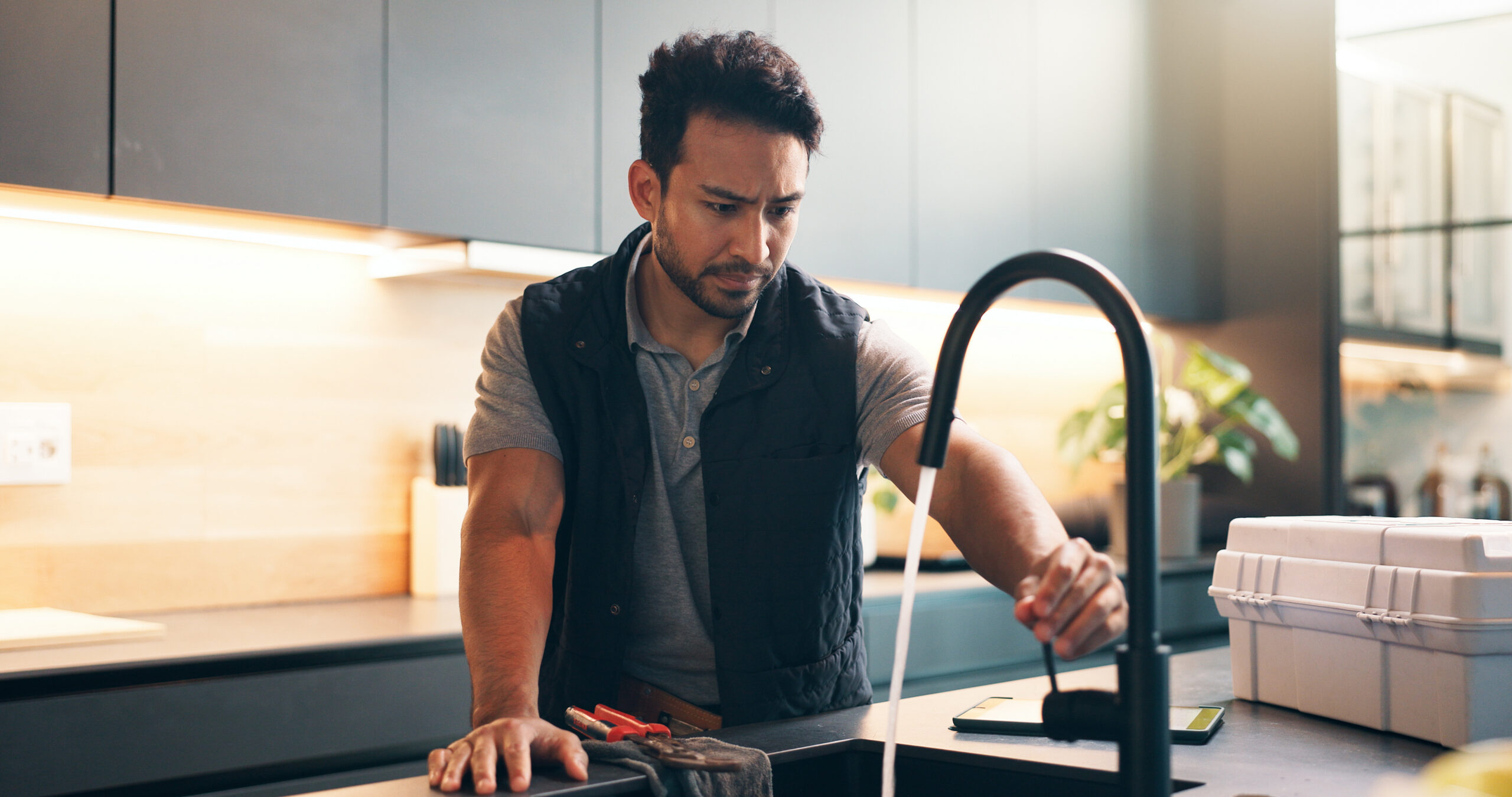
Catching a partial freeze before it fully develops into a burst pipe can prevent a much more serious problem, and a few warning signs are worth watching for during cold weather. A faucet producing a noticeably weaker flow than usual, or no flow at all, when every other faucet in the home works normally, often signals ice forming somewhere along that specific line, and running the affected faucet at a trickle while applying gentle heat, from a hair dryer or a space heater positioned safely away from any flammable material, to any accessible section of exposed pipe along that line can sometimes thaw a developing blockage before it causes a crack. Any sign of bulging, frost, or unusual sounds coming from a pipe should be treated as a signal to shut off the water supply to that specific line immediately and contact a plumber, rather than continuing to run water through a pipe that may already be structurally compromised by ice formation.
Transitioning Out of Winter Protection
Once the coldest stretch of the season has genuinely passed, several plumbing systems that were shut down or protected for winter need a deliberate reactivation process rather than simply being turned back on without any inspection. Outdoor spigots and any dedicated shutoff valve for exterior plumbing should be checked carefully for cracks or damage before being reopened for the season, since a spigot that froze and cracked during the winter, even without an obvious active leak at the time, can reveal that damage the moment full water pressure returns in the spring. Irrigation systems, if present, benefit from a careful startup process that checks each zone individually for leaks or damaged components before running the system at full capacity, since a cracked underground line from winter freeze damage can waste a significant amount of water and drive up a utility bill considerably before the leak becomes visually obvious at the surface.
Preparing for Warmer Weather Stresses
Warmer weather introduces its own distinct set of plumbing considerations beyond simply reversing winter precautions. Increased outdoor water usage during warmer months, more frequent watering, more outdoor entertaining with associated water use, puts additional demand on a plumbing system that may not have faced this level of use during the quieter winter months, making it a reasonable time to check water pressure and confirm that increased demand is not revealing a previously unnoticed weakness somewhere in the system. Warmer weather also tends to increase humidity in many regions, and checking for condensation buildup around pipes, particularly in a basement or crawl space, can reveal insulation gaps that were less noticeable during the drier winter months but become a genuine moisture concern once humidity increases.
Building a Seasonal Plumbing Checklist
The households that avoid the most common seasonal plumbing failures tend to build a specific, repeatable checklist tied to each seasonal transition, rather than relying on memory or reacting only once a problem has already developed. A simple checklist covering the specific steps relevant to each transition, disconnecting hoses and insulating exposed pipes ahead of cold weather, checking outdoor fixtures and starting up irrigation carefully once warmer weather returns, turns seasonal plumbing maintenance into a predictable, manageable routine rather than an occasional emergency response triggered only after a pipe has already failed. Revisiting and refining this checklist after each season, adding any lesson learned from a problem that did occur despite the existing precautions, keeps the system improving over time rather than remaining a static list that never accounts for a home’s particular vulnerabilities as they become apparent through actual experience. A home’s specific layout, the age of its plumbing, and the local climate all shape which precautions matter most, and a checklist refined over a few years of actual experience will naturally reflect those particulars far better than a generic list applied without adjustment. Treating seasonal plumbing care as a standing part of the household calendar, rather than an occasional afterthought, is ultimately what keeps a home protected through the specific stresses each season brings. The cost of a few minutes twice a year is negligible compared to the cost, both financial and disruptive, of a burst pipe discovered only after the damage has already spread through a wall or ceiling. A little consistency now genuinely does prevent the far larger headache later. Building these habits into the same seasonal rhythm as other routine home upkeep tasks, rather than treating plumbing as something to think about only in a crisis, is what ultimately keeps a home’s water systems reliable through every kind of weather the year brings.