Table of Contents
How to Prevent Ice Dams and Gutter Damage This Winter
Few winter home problems sneak up on people quite like ice dams. One week the roof looks like a postcard with a neat blanket of snow on top, and the next there’s a water stain spreading across a bedroom ceiling or a gutter hanging loose under the weight of a frozen ridge of ice. The frustrating part is that by the time most homeowners notice an ice dam, the damage has already started. The good news is that ice dams are one of the most preventable winter headaches, and most of the work that stops them is affordable, practical, and doable before the first big storm arrives.
What Actually Causes Ice Dams
An ice dam forms when snow on the upper part of your roof melts, runs down toward the edge, and refreezes when it reaches the colder eaves that hang out past the warm part of the house. Over days or weeks, that refrozen water builds into a thick ridge of ice along the roof’s edge. New meltwater then has nowhere to go, so it pools behind the ridge and works its way under shingles, into the roof deck, and eventually into insulation, walls, and ceilings. The root cause is almost never the gutters themselves, even though gutters often take the blame. The real culprit is heat escaping from the living space into the attic, which warms the underside of the roof enough to melt snow even when the outdoor temperature is below freezing. That means the most effective prevention starts inside the house, not on the roof.
Signs Your Home Is at Risk
Some homes are far more prone to ice dams than others, and it pays to know where yours stands before winter gets serious. Homes with large icicles hanging from the eaves after every snowfall are sending a clear signal that heat is escaping and melting snow from below. Patchy snow cover on the roof, where some sections melt quickly while others stay covered, is another warning sign that warm spots are developing in the attic. Older homes with minimal attic insulation, recessed lights in top-floor ceilings, bathroom fans that vent into the attic instead of outside, and complicated rooflines with valleys and dormers all tend to struggle. If you’ve ever seen water stains near exterior walls on an upper floor, peeling paint near the ceiling line, or damp insulation in the attic after a thaw, there’s a good chance ice dams have already caused trouble at your house.
Start in the Attic, Where the Problem Begins
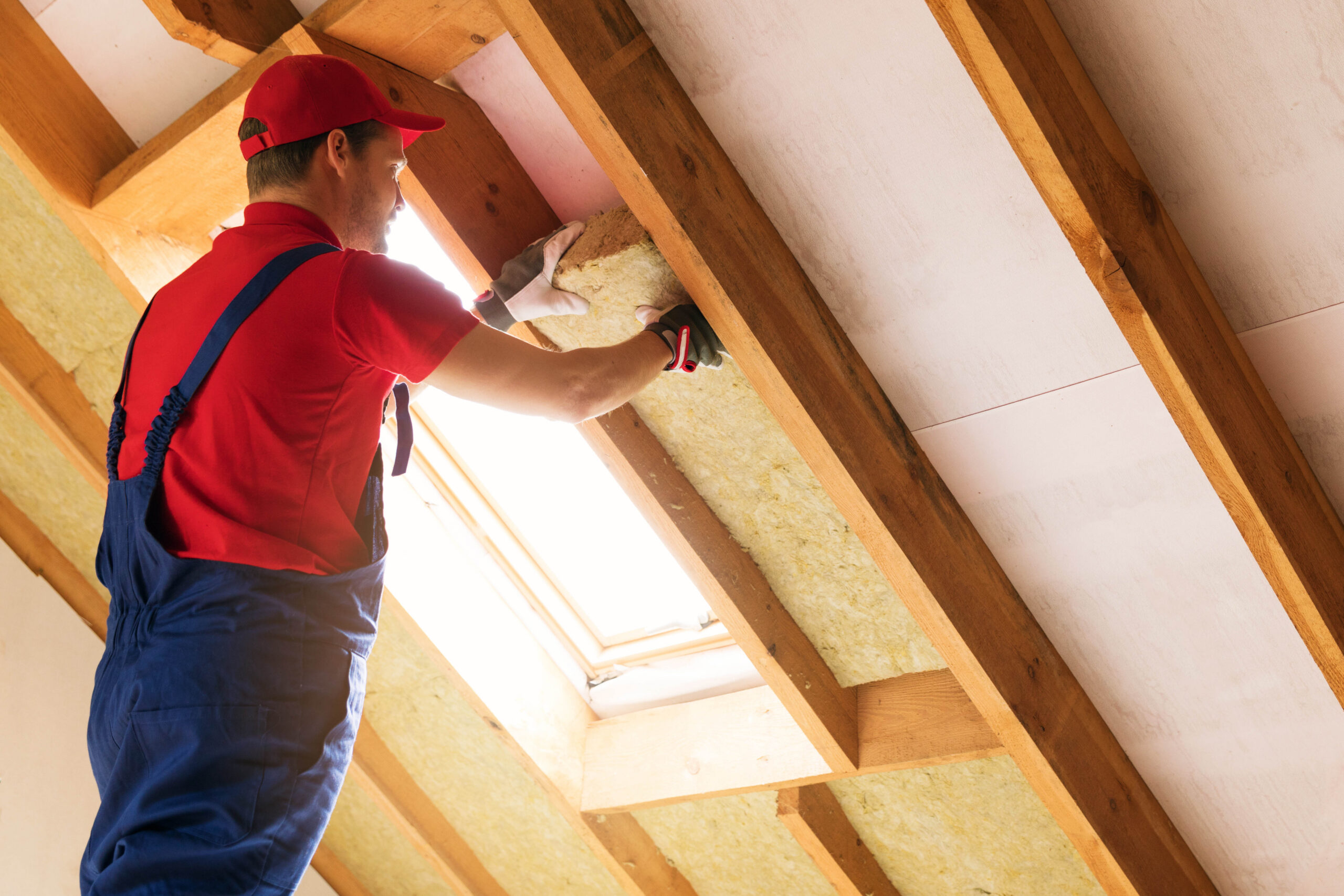
Because escaping heat drives the whole cycle, the single best investment you can make is keeping warm air out of the attic. Air sealing is usually the most cost-effective step and often the most overlooked. Warm air slips into the attic through gaps around plumbing vent pipes, electrical wires, chimney chases, light fixtures, and the attic hatch itself. Sealing those gaps with spray foam, fire-rated caulk around chimneys and flues, and weatherstripping on the attic access door can make a noticeable difference for the cost of a few supplies and an afternoon of work. Once the air leaks are handled, look at insulation depth. If you can easily see the tops of the ceiling joists, you likely need more insulation, and adding blown-in or batt insulation is a project many homeowners tackle themselves or hire out for a reasonable price. Finally, make sure the attic is properly ventilated, with clear soffit vents along the eaves and an exhaust point near the ridge. Good ventilation keeps the roof deck closer to the outdoor temperature, which is exactly what you want in winter. Check that insulation hasn’t been pushed against the soffit vents and blocked airflow, since that’s a common and easy fix.
Get Your Gutters Ready Before the First Freeze
While gutters don’t cause ice dams, clogged or poorly maintained gutters make them worse and turn a manageable problem into an expensive one. Gutters packed with wet leaves freeze into solid blocks that give ice a head start and add serious weight to the gutter system. A thorough cleaning in late fall, after most of the leaves have dropped, is one of the simplest ways to protect both your gutters and your roof edge. While you’re up there or checking from a ladder, look for loose hangers, sagging sections, and gaps at the seams. A gutter that’s already pulling away from the fascia is much more likely to tear off entirely once it’s loaded with ice. A short pre-winter checklist covers most of what matters:
- Clear leaves, twigs, and debris from gutters and flush them with a hose to confirm water flows freely.
- Make sure downspouts are unclogged and extend several feet away from the foundation so meltwater doesn’t refreeze near walkways or seep into the basement.
- Tighten or replace loose hangers and reseal leaking seams with gutter sealant.
- Trim overhanging branches that drop debris into gutters or dump snow onto the roof edge.
Gutter guards can reduce how often you need to clean, but they aren’t a cure for ice dams, and some styles can actually trap ice on top of them. If you’re considering guards, think of them as a maintenance saver rather than winter protection.
What to Do When the Snow Starts Piling Up
Even with good prevention, a heavy storm can still set the stage for ice dams, so it helps to have a plan for the snow itself. A roof rake, which is a long-handled tool designed to pull snow off a roof while you stand safely on the ground, is one of the most useful winter tools a homeowner in a snowy climate can own. Clearing the first few feet of snow above the eaves after a big storm removes the snow that would otherwise melt and refreeze at the edge. Work gently, pull rather than scrape, and avoid digging down to the shingles, since aggressive raking can damage the roofing. If an ice dam has already formed, resist the urge to attack it with a hammer, chisel, or shovel. Chipping at ice is a fast way to crack shingles, gouge gutters, and injure yourself on a ladder in slippery conditions. A safer temporary fix is to fill an old pair of pantyhose or a cloth sock with calcium chloride ice melt and lay it vertically across the ice dam so it melts a channel for trapped water to drain. Avoid rock salt, which can damage roofing materials, metal gutters, and the plants below.
Know When to Bring In a Professional
Some situations are better left to someone with the right equipment and insurance. If water is actively leaking into your home, if the ice dam is large and spans long stretches of roof, or if your roof is steep or more than one story up, calling a professional is the smart move. Many roofing and snow removal companies offer ice dam steaming, which uses low-pressure steam to cut through ice without damaging shingles. It isn’t cheap, but it costs far less than repairing a rotted roof deck or replacing water-damaged drywall and insulation. For homes that get ice dams year after year despite good insulation and ventilation, a roofer may suggest heat cables along the eaves or an ice and water shield membrane under the shingles during the next roof replacement. Heat cables can help in trouble spots, but they use electricity all winter and work best as a targeted backup rather than a substitute for fixing heat loss.
Make Prevention a Yearly Habit
The homeowners who rarely deal with ice dams aren’t lucky. They’ve simply built a few low-cost habits into their fall routine. Spend an hour in the attic each autumn checking for gaps, compressed insulation, and blocked vents. Clean the gutters after the leaves fall and confirm downspouts are draining away from the house. Keep a roof rake handy and use it after major storms before the snow has a chance to melt and refreeze. Taking care of these steps now costs a fraction of what a single winter leak can run, and it also tends to lower your heating bills, since the same air sealing and insulation that stop ice dams keep more warmth in your living space. A little attention before the first freeze is the difference between a quiet winter and a ceiling stain that shows up just in time for the holidays.