Table of Contents
- Hardware Swaps That Change the Entire Feel
- Regrouting and Recaulking Before Considering Replacement
- Paint and a Statement Vanity Color
- Lighting Upgrades That Elevate the Entire Space
- A Statement Mirror in Place of the Standard Builder Mirror
- Sequencing These Changes for Maximum Visual Return
- Knowing When a Bigger Investment Is Actually Worth It
Budget Bathroom Renovations That Look Far More Expensive Than They Are
Bathrooms occupy an unusual sweet spot in home renovation: they are small enough that even modest upgrades cover a meaningful percentage of the total visible surface area, yet they carry outsized visual weight in how a home feels overall, since a dated or worn bathroom tends to stand out disproportionately compared to its actual square footage. This combination means a bathroom renovation done thoughtfully, focusing spending on the details that carry the most visual impact rather than spreading a limited budget evenly across every possible upgrade, can produce a result that looks considerably more expensive than the actual dollar amount invested. Understanding which specific changes deliver the most visible transformation per dollar spent is the key to making a budget bathroom renovation feel genuinely elevated rather than merely adequate.
Hardware Swaps That Change the Entire Feel
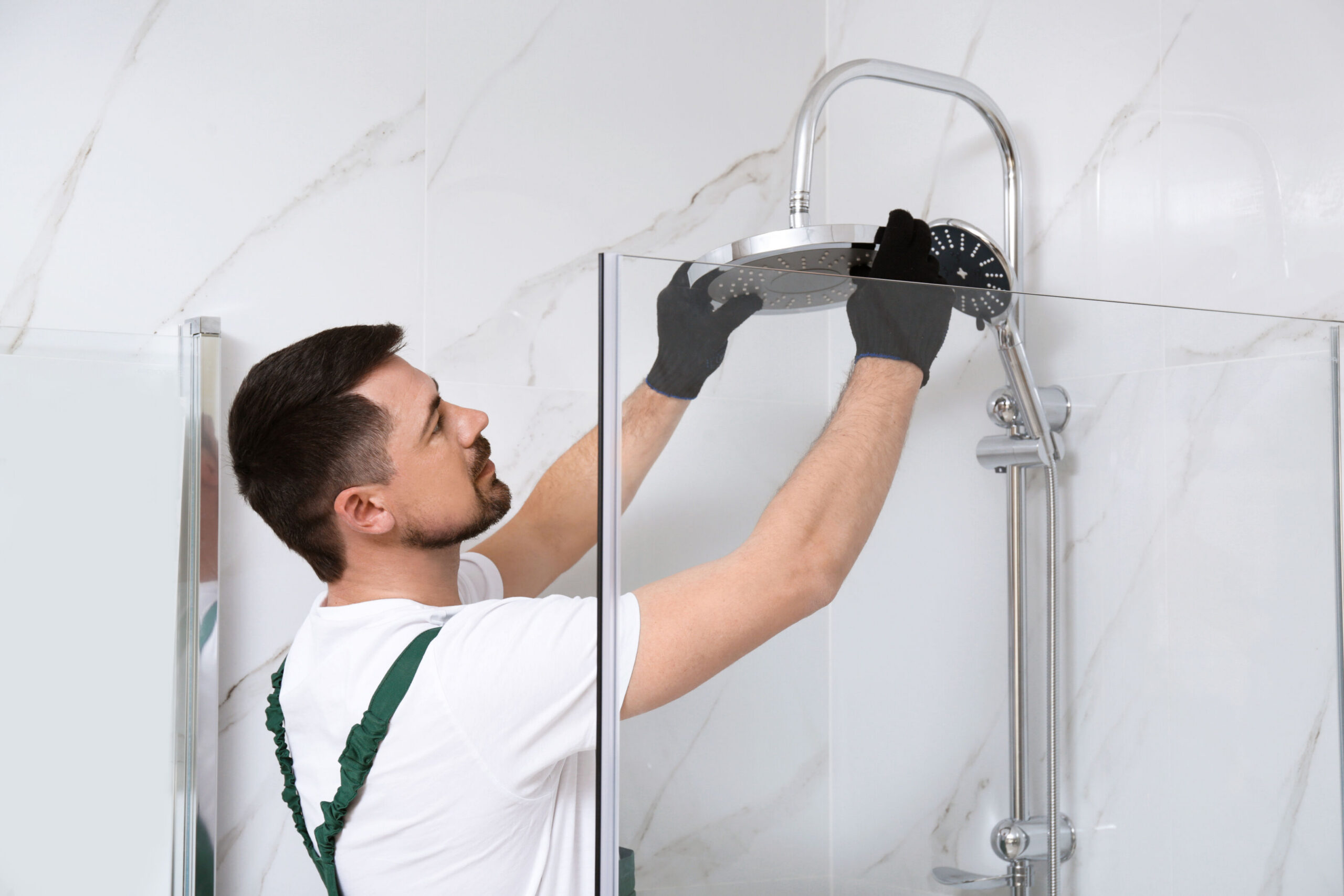
Few changes deliver as much visual impact relative to cost as swapping out dated hardware, faucets, cabinet pulls, towel bars, and the light fixture, for updated finishes in a cohesive metal tone. A bathroom with mismatched or tarnished brass fixtures from a previous decade can look entirely transformed simply by replacing that hardware with a consistent matte black, brushed nickel, or warm brass finish throughout, without touching a single tile, wall, or fixture beyond the hardware itself. This upgrade works particularly well because hardware is one of the few renovation categories where a genuinely high-end look is achievable at a modest price point, since the actual cost difference between a builder-grade faucet and a considerably more attractive one is often smaller than people assume, and the installation for most of these swaps is straightforward enough to handle without professional help.
Regrouting and Recaulking Before Considering Replacement
One of the most underrated budget renovation moves involves simply regrouting tile and recaulking around the tub, sink, and toilet before jumping to the conclusion that tile itself needs to be replaced. Grout discoloration and cracked, yellowing caulk are two of the most common reasons a bathroom looks tired and dated, and both problems can often be solved through cleaning, regrouting, or recaulking rather than the considerably more expensive and disruptive process of tearing out and replacing tile that may actually be in perfectly good structural condition underneath the surface-level wear. This project costs a small fraction of a full tile replacement and can be completed over a single weekend, making it one of the highest-value, lowest-cost renovation moves available for a bathroom that otherwise looks dated primarily due to grout and caulk condition rather than the tile itself being outdated or damaged.
Paint and a Statement Vanity Color
A fresh coat of paint remains one of the most cost-effective ways to transform any room, and bathrooms are particularly well suited to a bolder color choice than might feel appropriate in a larger, more frequently occupied living space, since the smaller scale of a bathroom makes a more saturated or dramatic color feel intentional rather than overwhelming. Painting an existing vanity cabinet in a rich, saturated color, rather than replacing the entire vanity, delivers a similarly dramatic transformation at a fraction of the cost of a full vanity replacement, provided the existing cabinet is structurally sound and simply dated in its current finish. This approach works especially well when paired with updated hardware on the same vanity, since the combination of a new color and new pulls can make a decade-old cabinet look like a recent, intentional design choice rather than an aging holdover from a previous renovation.
Lighting Upgrades That Elevate the Entire Space
Bathroom lighting is frequently overlooked in budget renovation planning, yet a dated, dim, or unflattering light fixture can undercut the effect of every other upgrade in the room, while a well-chosen new fixture can make even an otherwise unchanged bathroom feel considerably more polished. Replacing a builder-grade vanity light with a fixture that offers better, more flattering illumination alongside a more current design does more to elevate the overall feel of a bathroom than its modest cost would suggest, and this is a project most homeowners can handle themselves with basic electrical safety precautions, provided the existing wiring and junction box are in good working condition. Layering in a dimmer switch during this same upgrade, an inexpensive addition when the fixture is already being replaced, adds a further sense of intentional, elevated design at minimal additional cost.
A Statement Mirror in Place of the Standard Builder Mirror
The plain rectangular mirror that comes standard in most builder-grade bathrooms does little to elevate the space, and replacing it with a more interesting shape or a framed mirror is one of the more visually impactful, budget-friendly swaps available. This upgrade pairs particularly well with the hardware and lighting changes described above, since a mirror in a complementary finish to the room’s other hardware ties the whole space together into a cohesive, considered look rather than a collection of individually nice but disconnected elements. Framing an existing builder mirror, rather than replacing it entirely, offers an even more budget-conscious version of this same upgrade, using a simple frame kit designed specifically to adhere around an existing mirror’s edges without requiring removal of the mirror itself.
Sequencing These Changes for Maximum Visual Return
The bathrooms that achieve the most transformation for the least money tend to combine several of these smaller upgrades together rather than pursuing any single change in isolation, since the cumulative effect of updated hardware, fresh paint, better lighting, and a new mirror working together in a cohesive palette produces a result that feels considerably more like a full renovation than any single change would on its own. Planning these updates around a single, consistent color and finish palette from the outset, rather than choosing each element independently as budget allows, ensures the finished result reads as an intentional, unified design decision rather than a series of disconnected individual swaps, which is ultimately what separates a bathroom that looks genuinely elevated from one that simply has a few newer parts scattered throughout an otherwise unchanged space. Even spread out over several weekends as budget and time allow, working from a single cohesive plan from the very beginning makes the eventual finished result feel intentional rather than piecemeal.
Knowing When a Bigger Investment Is Actually Worth It
None of this means every bathroom can be fully transformed through cosmetic upgrades alone, and recognizing the difference between a bathroom that genuinely needs a more substantial investment and one that simply needs cosmetic refreshing saves considerable frustration. A bathroom with genuine water damage, failing plumbing, or structural issues behind the walls needs those underlying problems addressed before any amount of cosmetic updating will produce a lasting result, since paint and new hardware applied over an unresolved structural issue will only mask the problem temporarily rather than actually solving it. For a bathroom that is simply dated in its finishes but structurally sound, the cosmetic-first approach described above genuinely can produce a result that looks and feels like a much larger investment than it actually required. Being honest about which category a given bathroom actually falls into, before starting any work, saves both money and frustration compared to discovering a structural issue midway through what was meant to be a purely cosmetic weekend project.