Table of Contents
Container Gardening for People With No Yard and No Experience
You Don’t Need a Backyard To Grow Things
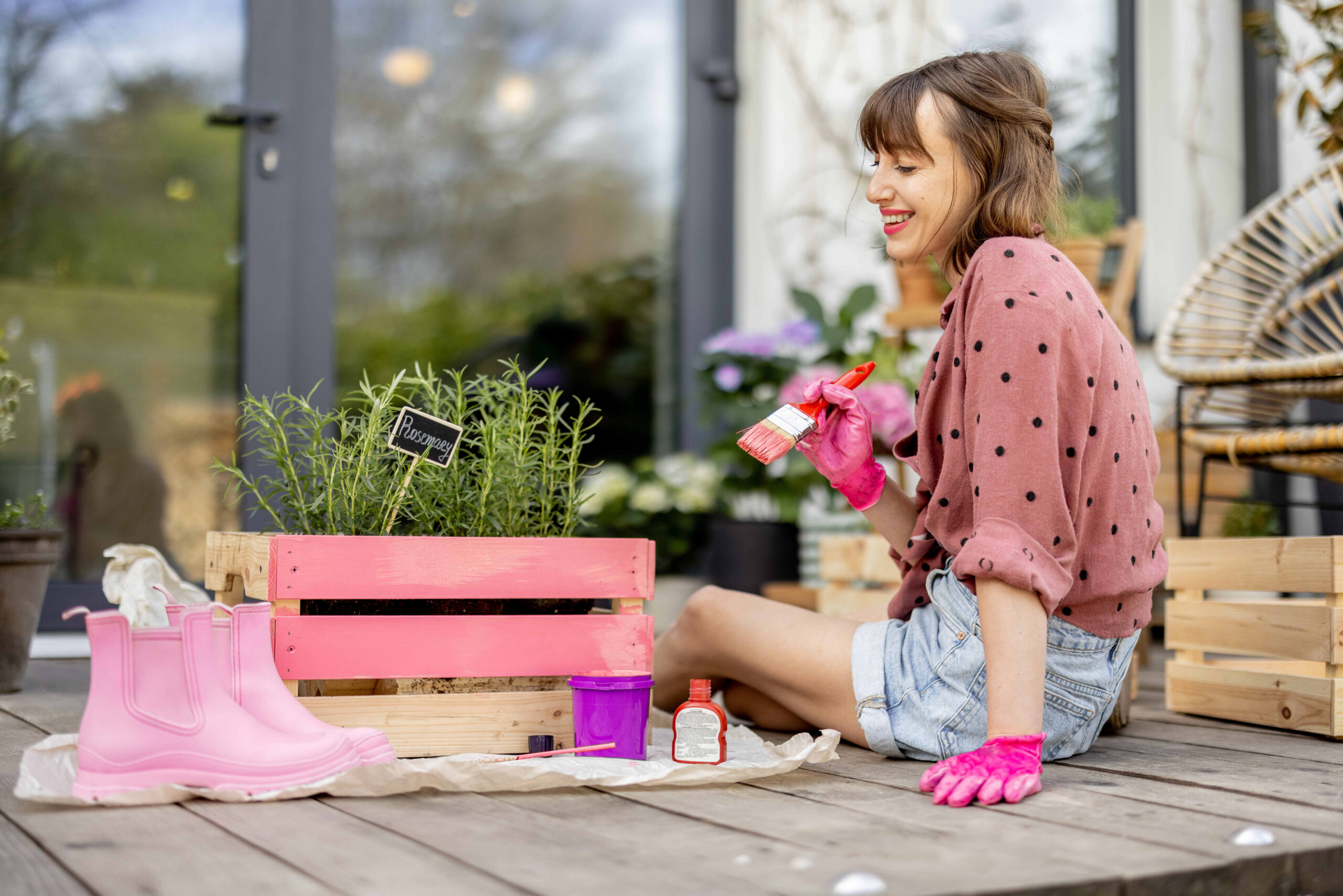
Plenty of people assume gardening is only for homeowners with sprawling yards, raised beds, and years of experience. If you live in an apartment, a condo, or a rental with nothing more than a balcony, a patio, or a sunny windowsill, it is easy to believe that growing your own herbs, vegetables, or flowers simply is not an option. The reality is that container gardening was practically made for small spaces and first-time growers, and it is one of the most approachable ways to bring a little green into your home.
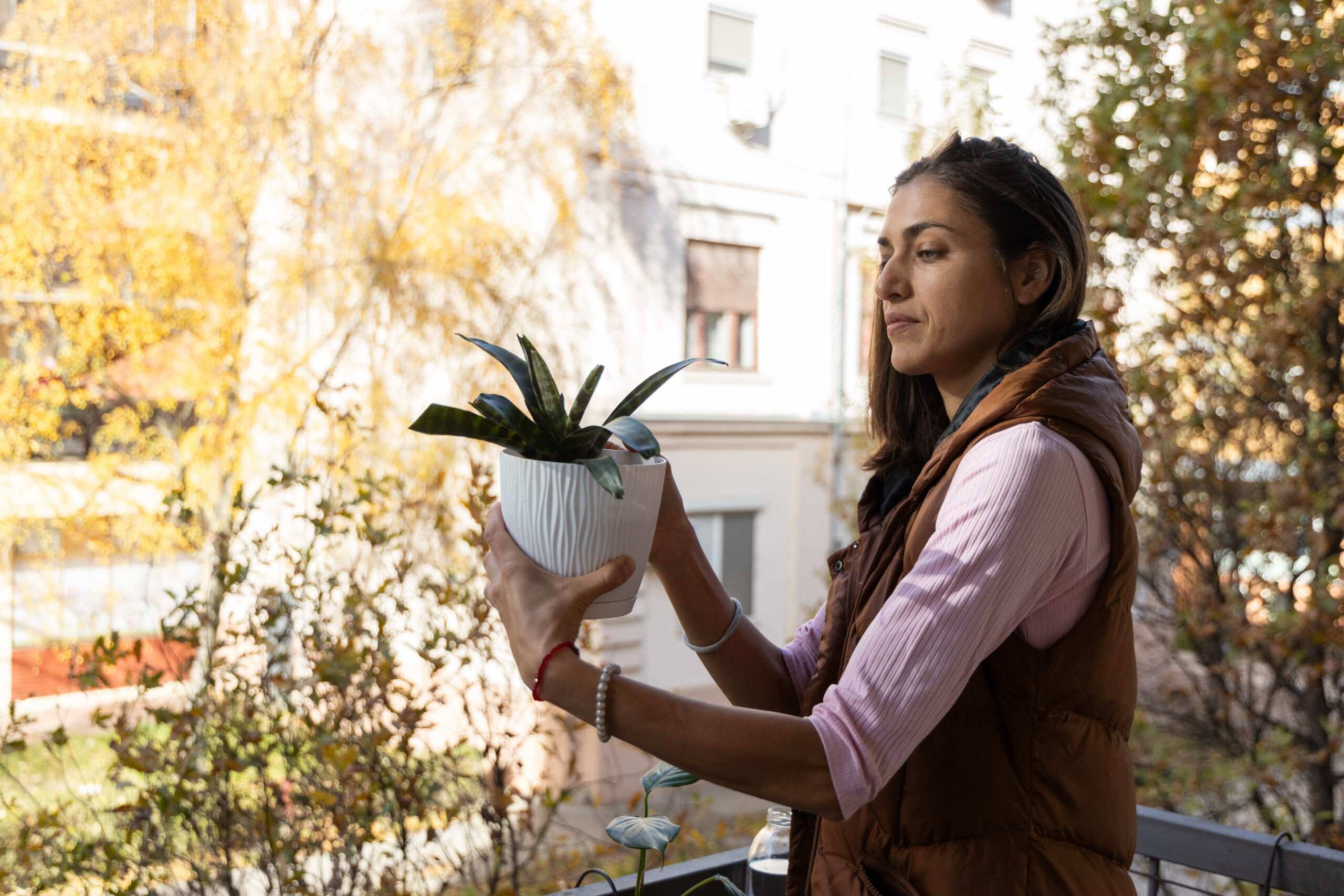
Containers give you control that in-ground gardens cannot. You choose the soil, you decide where each plant lives, and you can move pots around to chase the sun or protect plants from bad weather. There is less weeding, fewer pest problems that start in the ground, and a much smaller commitment of time and money. With a handful of pots, the right soil, and a few simple habits, even someone who has never kept a houseplant alive can harvest fresh basil, cherry tomatoes, or salad greens within a single season.
Start by Studying Your Light
Sunlight is the single most important factor in container gardening, so before you buy a single plant, spend a day or two observing your space. Notice when direct sunlight hits your balcony, patio, or window and how long it lasts. A spot that gets six or more hours of direct sun is considered full sun, which is ideal for sun-loving crops like tomatoes, peppers, and many herbs. A spot that gets around three to six hours is partial sun or partial shade, which suits leafy greens, some herbs, and many flowering plants. Spaces with very little direct light can still support shade-tolerant plants and certain herbs, though your options will be narrower.
Direction matters too. In the Northern Hemisphere, south-facing spaces generally receive the most sun, west-facing spaces get strong afternoon light, east-facing spaces get gentler morning sun, and north-facing spaces tend to be shadier. Nearby buildings, trees, and balcony overhangs can change those patterns significantly, which is why observing your actual conditions is more reliable than relying on direction alone. Matching plants to the light you truly have is the easiest way to set yourself up for success.
Choose the Right Containers
Almost anything can become a planter, but a few features make a big difference. The most important is drainage. Every container needs holes in the bottom so excess water can escape, because roots sitting in waterlogged soil will rot. If you fall in love with a decorative pot that lacks holes, you can use it as an outer cover with a plain draining pot nested inside. Placing saucers under your containers protects floors and balconies while letting water drain freely.
Size matters as much as drainage. Small pots dry out quickly and leave little room for roots, so beginners often have better luck with larger containers that hold moisture longer. Herbs and lettuce can thrive in modest pots, but larger crops like tomatoes and peppers generally need roomy containers, often five gallons or more. Material affects performance as well. Terracotta looks classic but dries out faster, plastic and resin are lightweight and hold moisture well, and fabric grow bags offer excellent drainage and airflow at an affordable price. Self-watering containers, which include a built-in water reservoir, can be a lifesaver for busy beginners.
Use Potting Mix, Not Garden Soil
One of the most common beginner mistakes is filling containers with soil dug from the ground or bagged garden soil. In a container, that kind of soil tends to compact, drain poorly, and suffocate roots. Instead, use a quality potting mix designed for containers. Potting mixes are lightweight, hold moisture while still draining well, and allow air to reach plant roots, which is exactly what container plants need to grow strong.
Because nutrients wash out of containers each time you water, container plants also need regular feeding. Some potting mixes include a starter dose of fertilizer, but that supply runs out over the course of a season. A slow-release fertilizer mixed in at planting time or a liquid fertilizer applied according to the package directions every couple of weeks keeps plants healthy and productive. Follow the label carefully, since more fertilizer is not better and can actually harm plants.
Pick Beginner-Friendly Plants
Starting with forgiving, fast-growing plants builds confidence and gives you quick rewards. For a first container garden, consider a few dependable choices that suit small spaces:
- Herbs like basil, mint, chives, parsley, and oregano, which grow quickly and can be harvested often
- Leafy greens such as lettuce, spinach, and arugula, which tolerate partial sun and grow well in shallow containers
- Cherry tomatoes and compact pepper varieties for sunny spots with room for larger pots
- Easy flowers like marigolds, petunias, and nasturtiums for color, pollinators, and sometimes edible blooms
Buying young starter plants from a nursery or garden center is usually easier than starting from seed for your first season, since the plants are already established. Look for varieties labeled as compact, dwarf, patio, or bush types, which are bred to stay smaller and perform well in containers. Mint is notoriously vigorous, so give it a pot of its own rather than sharing space with other herbs.
Master the Art of Watering
Watering is where most container gardens succeed or fail. Containers dry out much faster than garden beds, especially in hot weather, in sunny spots, and in small or porous pots. The simplest way to know when to water is to check the soil with your finger. If the top inch or so feels dry, water thoroughly until it runs out of the drainage holes. If it still feels moist, wait. During hot summer stretches, some containers may need water every day, while cooler weather may stretch that to every few days.
Water deeply rather than giving plants frequent small sips, which encourages roots to grow down into the container. Morning is usually the best time to water, since it gives plants moisture to handle the heat of the day. Watch your plants for signals. Wilting in the afternoon heat can be normal, but plants that stay wilted in the evening likely need water, while yellowing leaves and soggy soil may point to overwatering. Grouping containers together can help them retain moisture and makes watering faster.
Practical Tips for Balconies and Small Spaces
Small-space gardening comes with a few practical considerations. If you rent, check your lease or building rules about balcony plants, hanging planters, and railing boxes before setting up. Wet soil is heavy, so keep weight limits in mind on balconies, favor lightweight containers, and avoid overloading railings. Consider your neighbors below, too, using saucers and careful watering so runoff does not drip onto other balconies.
Vertical gardening can multiply your growing space when floor area is limited. Wall-mounted planters, tiered plant stands, hanging baskets, and trellises for climbing plants all let you grow more without crowding your space. Windowsill gardens work well for herbs if you have a bright window, and a small grow light can extend your options indoors during darker months.
Growing Your Confidence One Pot at a Time
The secret to container gardening is starting small. A few pots of herbs or a single tomato plant teaches you more about light, watering, and plant care than any guide, and early successes make it easy to expand next season. Do not be discouraged if a plant struggles. Every grower loses a few along the way, and each one teaches you something about your space.
With the right light, good containers, quality potting mix, and consistent watering, anyone can turn a balcony, patio, or windowsill into a thriving little garden. Pick a few beginner-friendly plants, set up your containers this week, and enjoy the satisfaction of growing something with your own hands, no yard required.