Table of Contents
- Start With Better Lighting to Reduce Everyday Risks
- Improve Bathroom Safety With a Few Smart Upgrades
- Make Floors Safer and Easier to Navigate
- Prioritize Clear, Open Pathways Throughout the Home
- Add Supportive Features at Entryways and Steps
- Make Everyday Tasks Easier With Accessible Kitchen Adjustments
- Upgrade Bedroom Safety and Comfort
- Improve Accessibility With Everyday Smart Home Tech
- Simplify Transitions With Mobility-Friendly Furniture Choices
- Add Visual Cues to Support Safety and Orientation
- Make Staying Independent the Priority
- Final Thoughts: Small Upgrades Make a Big Difference
Easy and Affordable Home Modifications for Safer Aging-in-Place
Aging-in-place has become a growing preference for older adults who want to remain in the comfort of their own homes for as long as possible. The good news is that creating a safer, more accessible home doesn’t require a full renovation or costly structural changes. With thoughtful planning and a few strategic updates, you can make a home more supportive, comfortable, and hazard-free—often in a single weekend and on a budget.
These modifications aren’t just about preventing accidents; they’re about preserving independence, confidence, and daily comfort. With a focus on affordability and simplicity, here are practical ways to transform a home into a safer space for aging well.
Start With Better Lighting to Reduce Everyday Risks
Lighting is one of the simplest, most affordable aging-in-place upgrades—and one of the most effective. As vision changes, dim corners, shadowy hallways, or poorly lit stairs can create unnecessary hazards. Increasing brightness instantly improves safety.
Adding motion-sensing LED lights along hallways, staircases, and entryways can prevent nighttime falls without requiring someone to fumble for a switch. Plug-in night-lights in bedrooms and bathrooms also make it easier to navigate in the dark. Replacing outdated bulbs with brighter, daylight-balanced LEDs helps with clarity during everyday tasks like cooking, reading labels, or handling medications.
Since lighting is easy to customize room by room, small improvements add up quickly to a home that feels more navigable and secure.
Improve Bathroom Safety With a Few Smart Upgrades
Bathrooms are one of the highest-risk areas for slips and falls, but many safety improvements are surprisingly inexpensive. Installing grab bars near the toilet and inside the shower offers stability and confidence. Modern grab bars come in sleek designs that blend with décor, making them practical without feeling clinical.
Non-slip bath mats or adhesive strips inside the tub give traction where surfaces tend to get slippery. A raised toilet seat or a toilet safety frame can make sitting and standing easier for people experiencing reduced mobility or joint pain. Switching to a handheld showerhead and adding a shower chair also supports balance and reduces fatigue while bathing.
These upgrades combine comfort with peace of mind—without requiring professional installation.
Make Floors Safer and Easier to Navigate
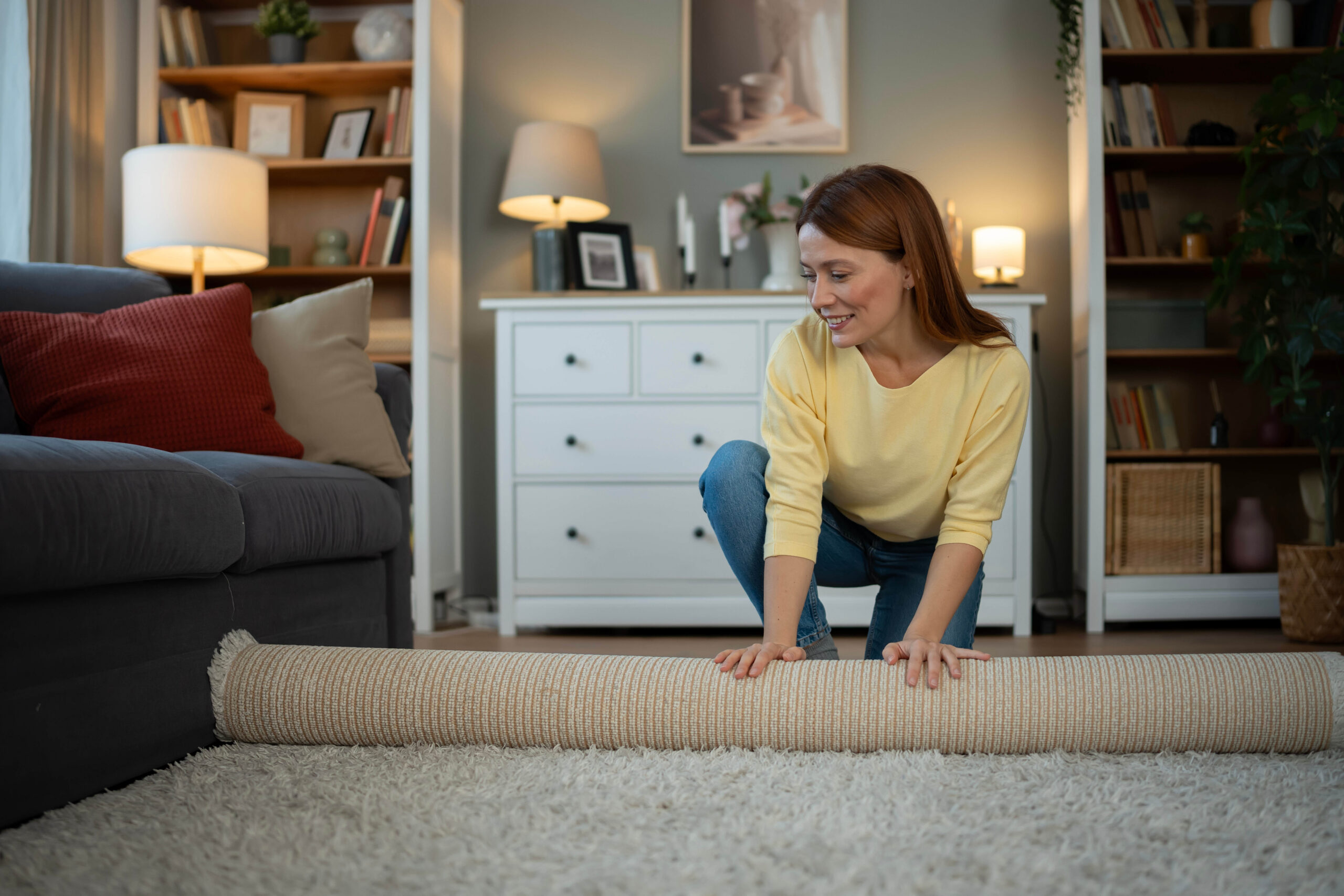
Flooring plays a huge role in aging-in-place safety. Fortunately, many small changes can drastically reduce fall risks. Removing loose throw rugs or securing them with slip-resistant backing prevents edges from curling or sliding. If carpets are worn or uneven, taping down troublesome edges can help until a full replacement is needed.
For homes with multiple flooring types, transition strips can level small height differences between rooms so walkers or canes don’t catch. Cord management is also essential—tucking cables behind furniture or using cord covers keeps pathways clear. As mobility changes, these adjustments make daily navigation smoother and safer.
Prioritize Clear, Open Pathways Throughout the Home
Decluttering isn’t just about aesthetics; it’s a key safety strategy. Over time, homes accumulate furniture, décor, small tables, and storage items that can crowd walkways. Simplifying high-traffic areas significantly reduces tripping hazards. Wider pathways also make it easier to use assistive devices like walkers or wheelchairs.
Rearranging furniture to create straight, unobstructed lines between commonly used areas—such as the bedroom, bathroom, and kitchen—offers more freedom and confidence. Sturdy, reachable surfaces also help with balance, giving people something solid to steady themselves on when needed.
A weekend reorganizing session can greatly improve movement and independence inside the home.
Add Supportive Features at Entryways and Steps
Front doors, porches, and interior steps can become increasingly challenging as balance or mobility changes. Adding a sturdy handrail on both sides of stairs makes climbing safer. Outdoor steps benefit from slip-resistant stair treads, especially in wet or icy climates.
Entryways can be improved by installing a small ramp or threshold wedge if there’s a step up into the home. These are inexpensive and easy to install, yet they make entering and exiting significantly easier for anyone using a cane, walker, or wheelchair. Smart door handles—lever-style instead of round knobs—allow easier gripping for people with arthritis or reduced hand strength.
These simple modifications open the door (literally) to safer, more independent living.
Make Everyday Tasks Easier With Accessible Kitchen Adjustments
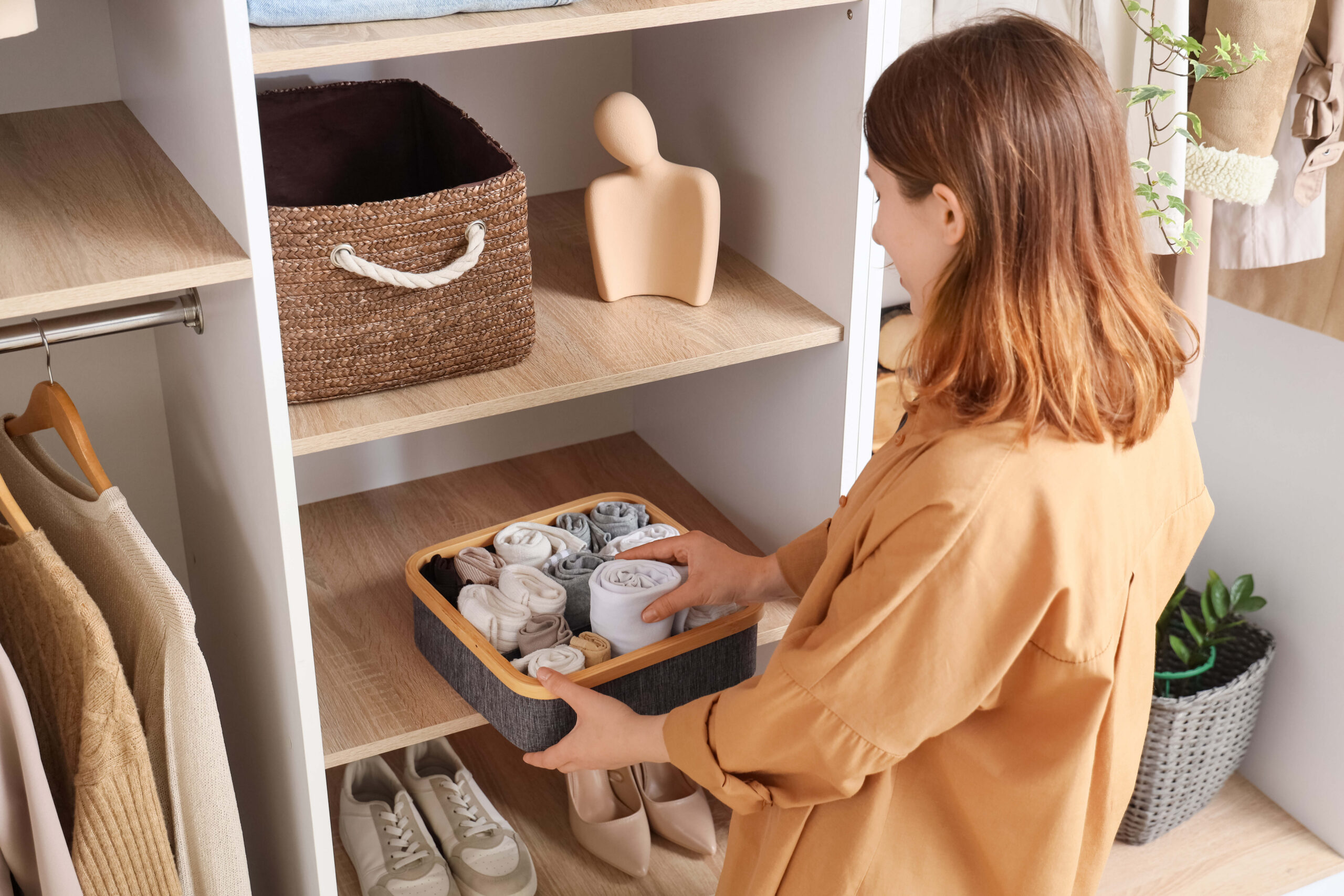
The kitchen is another area where thoughtful changes can support safety and ease. Frequently used items—dishes, pots, pans, spices, and small appliances—should be stored at waist to shoulder height to reduce bending and reaching. Pullout shelves or lazy susans can transform hard-to-reach cabinets into accessible storage.
Anti-fatigue mats near sinks and stoves help reduce strain during meal prep. Touchless or single-lever faucets allow easier use for those with arthritis. Even lightweight cookware or ergonomic utensils can make cooking more comfortable as mobility changes.
These subtle adjustments make the kitchen safer without compromising independence or enjoyment of cooking.
Upgrade Bedroom Safety and Comfort
Bedrooms are personal spaces that should feel calm and supportive. Starting with the bed, ensuring it’s at a comfortable height makes getting in and out easier. Bedside lamps with easy-to-use switches or motion-sensing lights help with nighttime visibility. Keeping a clear path from the bed to the bathroom is especially helpful for reducing fall risks.
Adding grab bars near the bed—or using furniture-style support rails—provides extra balance, particularly for individuals who may experience dizziness or low energy. A sturdy nightstand with essential items within reach also supports independence. Small adjustments like these make morning and nighttime routines easier and safer.
Improve Accessibility With Everyday Smart Home Tech
Smart home technology is not just modern—it’s incredibly practical for aging-in-place. Voice-activated assistants like Alexa or Google Home can control lights, remind users about medications, set timers, or manage thermostats. Smart plugs can automate lamps or appliances to reduce the need to bend or reach. Video doorbells and smart locks provide added security and peace of mind.
These tools don’t require tech expertise. Many are plug-and-play and can be controlled through simple voice commands. They support independence while reducing the physical strain of daily tasks.
Simplify Transitions With Mobility-Friendly Furniture Choices
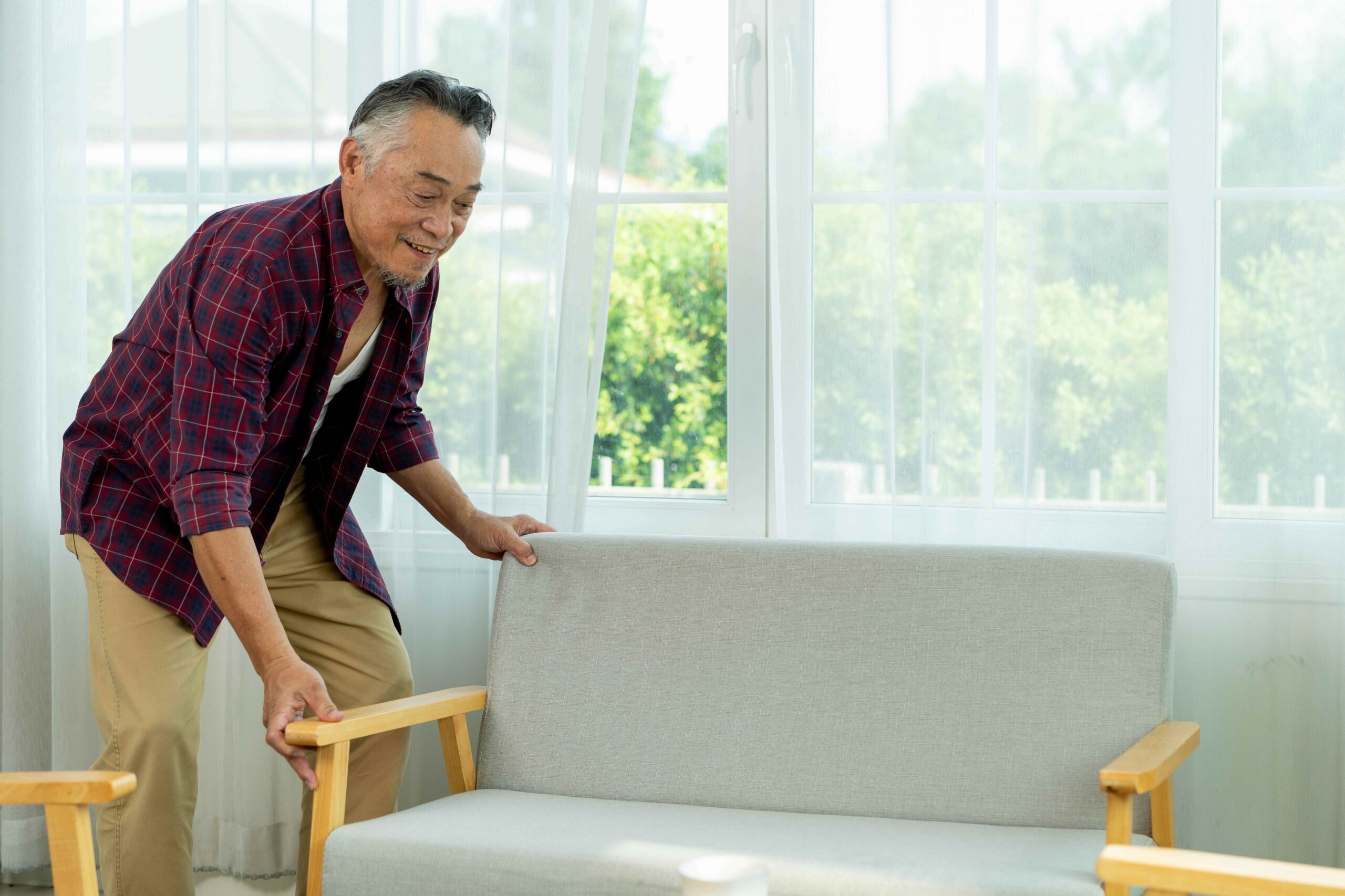
Furniture that supports ease of movement can make a home far safer without being expensive. Chairs with armrests provide leverage when standing up. Firm seat cushions or lift cushions can make sitting and standing more comfortable. Tables with rounded edges help prevent bumps or bruises. Sturdy, non-wobbly furniture gives better support for balance.
Adjusting furniture layout for easy navigation and stability is a quick weekend project that can dramatically improve comfort and safety.
Add Visual Cues to Support Safety and Orientation
As vision changes with age, strong visual cues help prevent confusion or missteps. Contrasting colors on steps, door frames, or grab bars make them easier to see. Bright-colored tape or decals on the edges of stairs create clearer depth perception. Light switch plates in contrasting colors make them easier to locate.
These details may seem small, but combined, they make a home easier to navigate and reduce the risk of missed steps or stumbles.
Make Staying Independent the Priority
The heart of aging-in-place is maintaining control, comfort, and familiarity. Easy, affordable home modifications aren’t about turning a home into a medical space—they’re about preserving dignity and independence. With the right updates, older adults can continue living in the places they love, surrounded by routines and memories that feel grounding and comforting.
By focusing on simple changes—better lighting, grab bars, clutter reduction, improved storage, and smart home tools—you create a safer environment where aging feels empowering rather than limiting.
Final Thoughts: Small Upgrades Make a Big Difference
Aging-in-place doesn’t require a full renovation or a major budget. Often, the most meaningful improvements come from small, thoughtful modifications that make everyday tasks easier and the home more supportive. These updates protect well-being, boost confidence, and give older adults the freedom to enjoy their home for years to come.
Investing a weekend in these projects today can create a safer, more comfortable tomorrow—one where independence stays at the center of daily life.