Table of Contents
Easy Garage Upgrades That Add Function and Usable Space
Why Your Garage Is Hiding Valuable Square Footage
In many homes, the garage is the largest room nobody really uses. It starts out as a place to park the car, then slowly becomes the catch-all for holiday decorations, sports equipment, half-finished projects, and boxes that never got unpacked after the last move. Before long, the car is parked in the driveway, the space is cluttered and dim, and finding a single screwdriver turns into a ten-minute search. Yet a typical garage offers hundreds of square feet of covered, flexible space, and with a few smart upgrades, it can become one of the most useful areas of your home.
The best part is that transforming a garage rarely requires a major renovation. Most of the highest-impact improvements are affordable, approachable for a weekend DIYer, and focused on making better use of the space you already have. Whether you want room to park again, a functional workshop, a home gym, or simply a place where everything has a home, the right combination of storage, lighting, flooring, and comfort upgrades can completely change how your garage works for you.
Start With a Clear-Out and a Plan
Every successful garage upgrade begins with emptying as much of the space as possible. It may feel like an extra step, but sorting through what you own is the only way to know how much storage you actually need. Group items into categories like tools, gardening supplies, sports gear, automotive products, seasonal decor, and long-term storage, then be honest about what you no longer use. Donating, selling, or properly disposing of unwanted items often frees up a surprising amount of space before you spend a dollar on new storage.
With the clutter cleared, take a few minutes to plan zones based on how you use the garage. Items you reach for often, such as everyday tools or kids’ bikes, should live near the entry door or garage door where they are easy to grab. Seasonal and rarely used items can go higher up or toward the back. If you plan to park inside, mark out the space your vehicle needs, including room to open doors comfortably, so your storage never creeps into it. A simple sketch of your layout makes it much easier to choose the right shelving and organizers.
Go Vertical With Wall and Ceiling Storage
The single most effective way to add usable space in a garage is to get things off the floor. Walls offer an enormous amount of storage potential that most people never tap into. Wall-mounted shelving units, track systems with adjustable hooks, slatwall panels, and classic pegboard all let you organize tools and equipment in plain view while freeing up floor space. Track and slatwall systems are especially versatile, since you can rearrange hooks, baskets, and shelves as your needs change without drilling new holes each time.
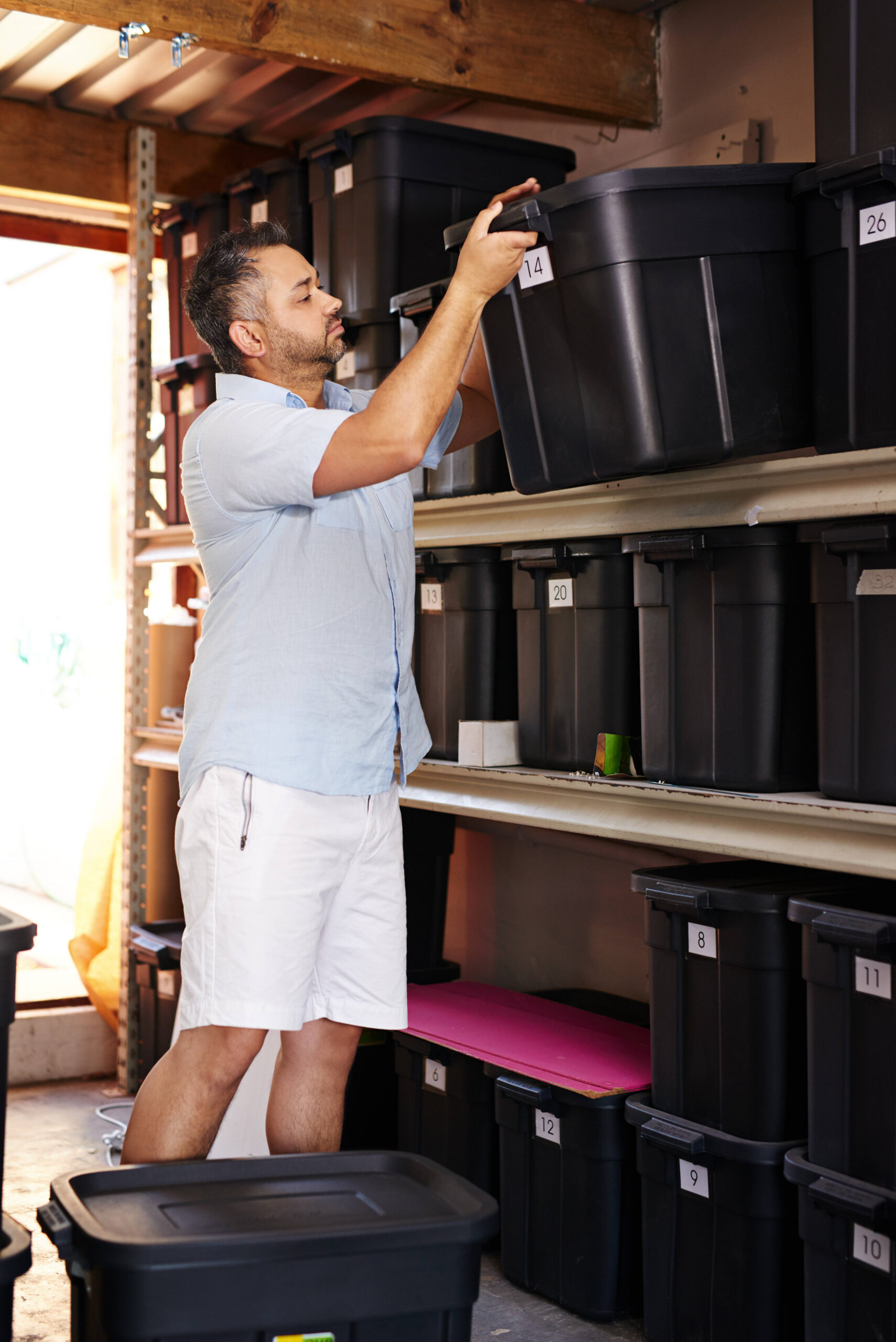
Overhead storage is another underused opportunity. Ceiling-mounted racks can hold bins of seasonal decorations, camping gear, and other bulky items that you only need a few times a year, using space that would otherwise sit empty above your car. When installing ceiling racks, make sure they are anchored into ceiling joists, rated for the weight you plan to store, and positioned so they do not interfere with the garage door, its opener, or your vehicle’s height. Clear, labeled bins make it easy to see what is stored overhead without pulling everything down.
Upgrade the Lighting
Poor lighting is one of the most common complaints about garages, and it is also one of the easiest problems to fix. Many garages rely on a single bulb or the light built into the garage door opener, which leaves corners dark and makes detailed work frustrating. Replacing those fixtures with bright LED shop lights or linkable LED fixtures can transform the entire space, making it safer, easier to clean, and far more pleasant to spend time in. Many plug-in LED options are simple to install and use very little energy.
Task lighting adds another layer of usefulness. A light mounted above a workbench, under a shelf, or near a utility sink makes projects easier and reduces eye strain. Motion-sensor fixtures are especially convenient in garages, since your hands are often full when you walk in. If you want to add new outlets or hardwired fixtures, consider hiring a licensed electrician, and check whether your area requires a permit. Garage electrical work often involves special requirements, such as protected outlets, that are worth getting right.
Refresh the Floor
Bare concrete floors stain easily, generate dust, and can make a garage feel unfinished. Upgrading the floor is one of the most visible improvements you can make, and there are options for nearly every budget. Floor coatings such as epoxy or polyaspartic systems create a durable, easy-to-clean surface that resists oil, chemicals, and moisture. DIY kits are available, though professional installation often delivers a longer-lasting finish because proper surface preparation is critical to how well the coating bonds.
If coatings feel like too much commitment, interlocking floor tiles are a popular alternative. They snap together without adhesives, cover cracks and stains, and can be removed if you move. Rubber mats are another practical option for specific zones, such as a workbench area or home gym, where they add comfort and protect the concrete. Whichever route you choose, start by thoroughly cleaning and degreasing the floor, and address any significant cracks or moisture issues first so your new surface lasts.
Add Comfort and Function for Year-Round Use
If you plan to spend real time in your garage, comfort upgrades make a big difference. Garages are often uninsulated, which means they can be uncomfortably hot in summer and cold in winter. An insulated garage door or an aftermarket insulation kit for your existing door can noticeably moderate temperatures, and adding weatherstripping along the bottom and sides of the door helps keep out drafts, dust, and pests. If the walls are unfinished, insulating and covering them adds both comfort and a clean, finished look.
A few functional additions round out the space:
- A sturdy workbench with a pegboard or tool rail above it for projects and repairs
- A wall-mounted folding table for occasional use when floor space is tight
- A dedicated charging or drop zone near the house entry for bags, shoes, and outdoor gear
- A small rolling cart or cabinet for frequently used tools and supplies
As you upgrade, keep safety in mind. Store flammable liquids like gasoline and paint thinner in approved containers away from water heaters, furnaces, and other ignition sources. If your garage connects to your home, keep the door between them in good condition and avoid swapping it for a standard interior door, since attached garages often require doors that meet specific fire safety standards. Install a carbon monoxide detector inside the home near the garage entry, especially if you have fuel-burning appliances or ever run a vehicle in the garage.
Turning Your Garage Into a Space You Actually Use
The most rewarding garage upgrades are the ones that match how you live. A parent with young kids might prioritize bike racks and a drop zone, a weekend woodworker might invest in a workbench and better lighting, and someone who simply wants to park inside again might focus on wall and ceiling storage. You do not need to tackle everything at once. Starting with a clear-out and a single high-impact upgrade, like vertical storage or better lighting, often provides enough momentum to keep improving the space over time.
Approached thoughtfully, a cluttered garage can become an organized, comfortable extension of your home that saves you time and frustration every day. Pick the upgrades that solve your biggest annoyances first, plan your layout around how you use the space, and enjoy rediscovering all that square footage you already own.