Table of Contents
- Why Small Home Adjustments Have an Outsized Impact
- Entryway Tweaks That Set the Tone for Your Day
- Kitchen Layout Changes That Cut Down Daily Friction
- Bedroom Adjustments That Improve Morning and Evening Flow
- Bathroom Upgrades That Streamline Getting Ready
- Living Room Changes That Reduce Everyday Clutter
- Laundry and Chore Simplification That Actually Sticks
- Smart Home Features That Remove Repetitive Tasks
- Designing Your Home Around Behavior, Not Perfection
- Where These Small Changes Can Lead Next
- Sources
Simple Home Changes That Make Daily Routines Easier and More Efficient
Daily routines have a way of becoming harder than they need to be. Small inefficiencies stack up, turning simple mornings, evenings, and chores into low-grade stressors. The good news is that a few thoughtful changes at home can remove that friction and make everything flow better without a full lifestyle overhaul.

Why Small Home Adjustments Have an Outsized Impact
Most people assume productivity or ease comes from major upgrades like renovations or expensive tools. In reality, it’s the small, repeated interactions in your space that shape your day. If something slows you down even slightly, and you do it every day, the cumulative effect is significant.
Think about how often you reach for keys, prepare meals, or get ready for bed. When those actions are streamlined, you’re not just saving time, you’re preserving mental energy. That energy can be redirected toward more meaningful tasks or simply enjoying your day with less stress.
Entryway Tweaks That Set the Tone for Your Day
Your entryway acts as the transition point between outside chaos and home stability. If it’s cluttered or disorganized, it can create a subtle sense of disorder every time you leave or return.
A dedicated drop zone can dramatically improve this. Hooks at eye level for keys and bags reduce the chance of misplacing essentials. A small tray or bowl near the door gives you a consistent place for items like wallets and sunglasses. Even adding a narrow bench can make putting on shoes feel less rushed.
Lighting also matters here. A well-lit entryway signals clarity and calm, especially in early mornings or late evenings. Motion-sensor lights are a simple upgrade that removes the need to fumble for switches when your hands are full.
Kitchen Layout Changes That Cut Down Daily Friction
The kitchen is one of the most frequently used spaces, and even minor inefficiencies get amplified. A practical approach is to organize based on frequency of use rather than traditional storage habits.
Keep everyday items like coffee mugs, utensils, and breakfast ingredients within easy reach. Store less frequently used appliances higher up or further away. This reduces unnecessary movement and decision-making.
One effective strategy is to create “zones” within your kitchen. A coffee station, for example, keeps everything related to your morning routine in one place. The same goes for a meal prep zone with cutting boards, knives, and spices grouped together.
Here’s a simple comparison of common kitchen adjustments and their impact:
| Kitchen Change | Effort to Implement | Daily Time Saved | Stress Reduction Impact |
|---|---|---|---|
| Coffee station setup | Low | 5–10 minutes | High |
| Drawer organizers for utensils | Low | 2–5 minutes | Medium |
| Pull-out pantry shelves | Medium | 5–8 minutes | High |
| Labeling containers | Low | 2–3 minutes | Medium |
| Under-cabinet lighting | Medium | Minimal time | High |
Even small changes like these can make cooking and cleanup feel less like a chore and more like a smooth process.
Bedroom Adjustments That Improve Morning and Evening Flow
The bedroom often gets overlooked when thinking about efficiency, but it directly affects how you start and end your day. A cluttered or poorly arranged bedroom can make mornings feel rushed and evenings feel unsettled.
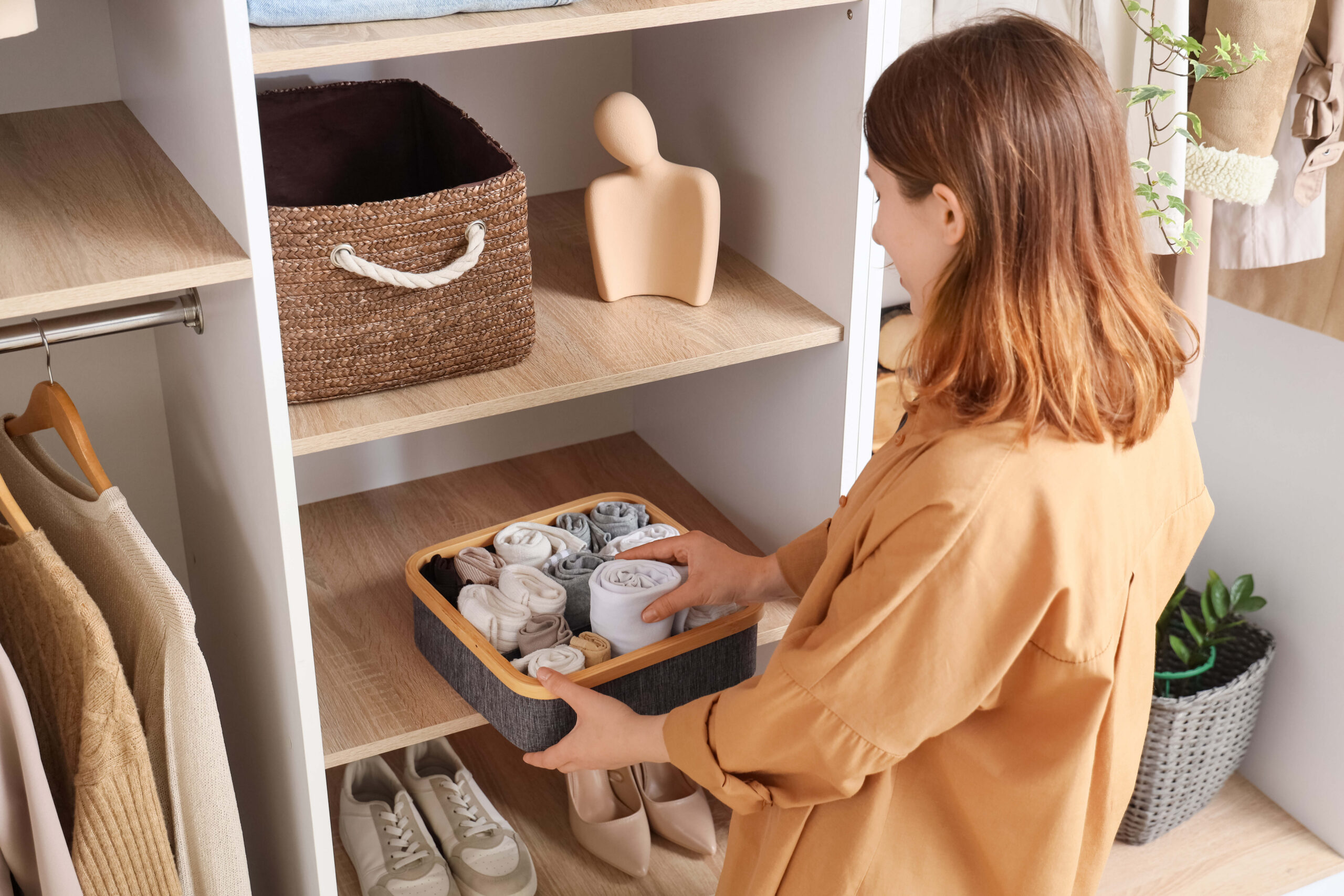
One simple improvement is to prepare for the next day the night before. A designated spot for tomorrow’s clothes removes decision fatigue in the morning. Keeping a small basket or tray for essentials like watches, jewelry, or glasses ensures everything has a place.
Lighting plays a big role here too. Soft, warm lighting in the evening helps signal your body to wind down, while brighter, cooler light in the morning can help you wake up faster. Smart bulbs or dual-light setups make this transition effortless.
Another underrated change is repositioning your alarm or phone charger away from your bed. This encourages you to physically get up instead of lingering, which can make mornings feel more intentional.
Bathroom Upgrades That Streamline Getting Ready
Bathrooms are high-traffic areas where delays can quickly pile up, especially in shared households. Optimizing storage and layout can make a noticeable difference.
Drawer dividers for toiletries keep items visible and accessible, reducing the time spent searching. Wall-mounted storage or vertical shelving can free up counter space, making the room feel less cramped.
If multiple people use the same bathroom, assigning specific zones or containers for each person can prevent overlap and confusion. This is particularly helpful during busy mornings when everyone is trying to get ready at once.
Water temperature consistency is another small but impactful factor. Installing a thermostatic shower valve can eliminate the need for constant adjustments, saving both time and frustration.
Living Room Changes That Reduce Everyday Clutter
The living room often becomes a catch-all space, which can lead to visual clutter and mental fatigue. Creating subtle systems for organization can keep it functional without making it feel rigid.
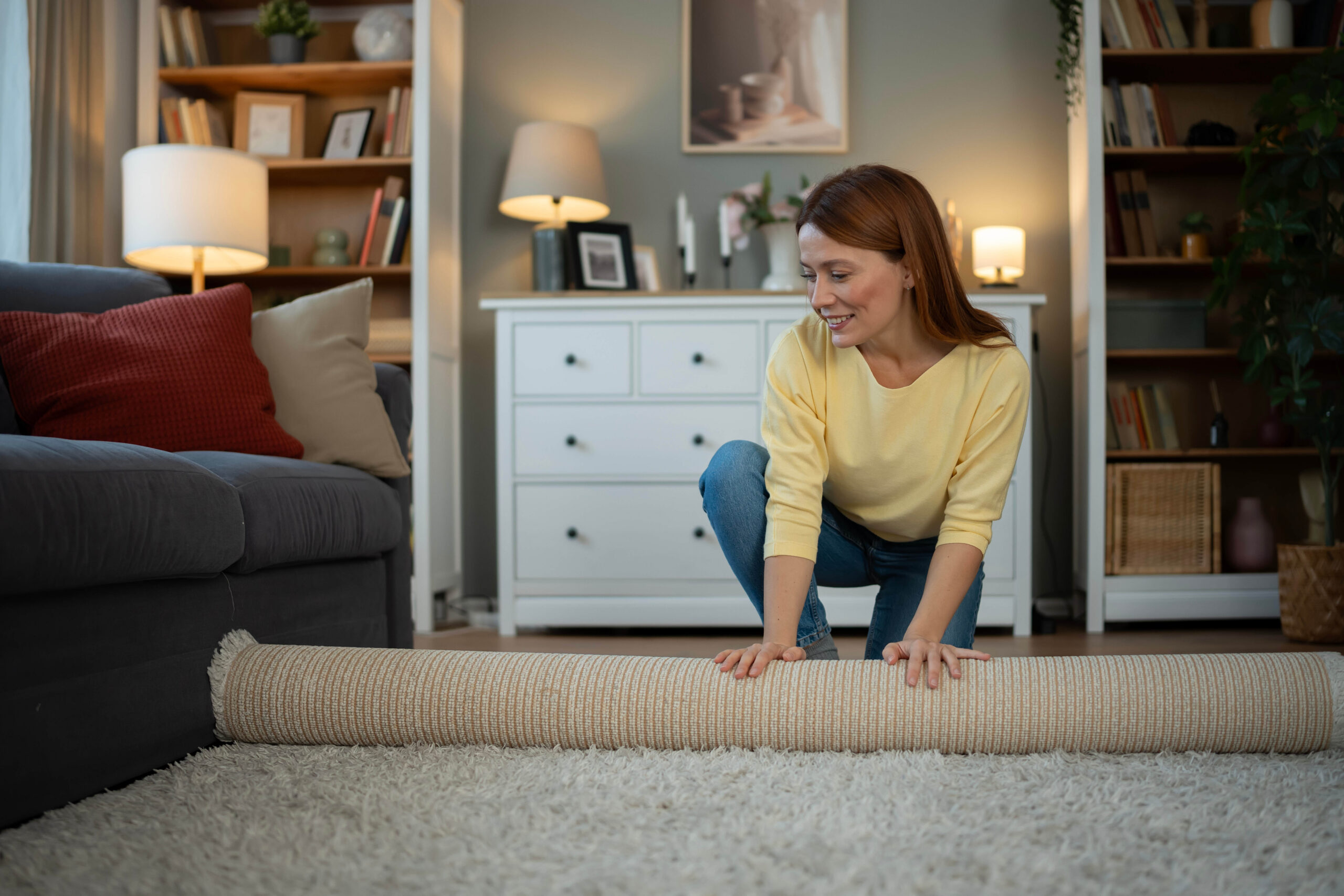
Storage ottomans or multifunctional furniture provide hidden storage for items like blankets, remotes, and books. This keeps surfaces clear while maintaining easy access.
Cable management is another overlooked improvement. Tangled cords not only look messy but can also make cleaning more difficult. Simple cable organizers or sleeves can instantly improve the space.
A designated charging station for devices can also prevent the constant search for chargers and reduce clutter across multiple surfaces.
Laundry and Chore Simplification That Actually Sticks
Chores often feel overwhelming not because they’re difficult, but because they lack structure. Small environmental tweaks can make them feel more manageable.
Keeping laundry baskets in convenient locations where clothes are naturally removed can reduce the likelihood of items piling up elsewhere. Separating baskets by type, such as lights and darks, eliminates an extra sorting step later.
For cleaning supplies, accessibility is key. Instead of storing everything in one place, consider keeping small sets of supplies in different areas of your home. This makes quick cleanups more likely because the barrier to starting is lower.
A short list of high-impact tweaks includes:
- Placing a small trash can in every frequently used room
- Keeping disinfecting wipes in visible, easy-to-reach spots
- Using a wall-mounted calendar or planner for chore tracking
- Setting up a simple “reset routine” for the end of each day
These adjustments don’t require much effort but can significantly improve how consistently chores get done.
Smart Home Features That Remove Repetitive Tasks
Technology can play a role in simplifying routines, but it doesn’t need to be complicated or expensive. The goal is to remove repetitive actions rather than add new layers of complexity.
Smart plugs, for example, can automate lighting or appliances based on your schedule. This is especially useful for morning routines where consistency matters. Voice assistants can also help manage reminders, timers, and daily tasks without interrupting your flow.
Robot vacuums are another example of a small upgrade with a noticeable impact. While they don’t replace deep cleaning, they reduce the frequency and effort required to maintain clean floors.
Here’s a quick overview of common smart home upgrades and their benefits:
| Smart Feature | Initial Cost | Setup Complexity | Routine Impact |
|---|---|---|---|
| Smart plugs | Low | Easy | Moderate |
| Voice assistant | Low–Medium | Easy | Moderate |
| Robot vacuum | Medium | Easy | High |
| Smart lighting | Medium | Moderate | High |
| Smart thermostat | Medium | Moderate | High |
The key is to choose one or two upgrades that align with your daily habits rather than trying to automate everything at once.
Designing Your Home Around Behavior, Not Perfection
One of the biggest mistakes people make when trying to improve their routines is designing systems based on ideal behavior instead of actual habits. A setup that looks good but doesn’t match how you naturally move through your space won’t last.
Pay attention to where friction already exists. Where do items tend to pile up? Which tasks feel more annoying than they should? Those are the areas where small changes will have the biggest payoff.
It’s also important to test and adjust. Not every tweak will work perfectly on the first try, and that’s fine. The goal is to gradually shape your environment so it supports your routines instead of working against them.
Where These Small Changes Can Lead Next
Once your daily routines feel smoother, it opens the door to bigger improvements. You may find it easier to stick to habits, manage your time, or even take on new goals that previously felt out of reach.
These small home changes act as a foundation. They reduce the background noise of daily life, making it easier to focus on what actually matters. Over time, that can lead to better productivity, improved well-being, and a greater sense of control over your day.
The key is to start small, stay consistent, and build from there. A more efficient home isn’t about perfection, it’s about creating an environment that quietly supports you every single day.
Sources
Environmental Protection Agency (EPA) – Indoor Environment and Household Efficiency
American Cleaning Institute – Home Organization and Cleaning Habits
National Association of Home Builders – Home Design Trends and Functional Spaces
Harvard Health Publishing – Sleep, Environment, and Daily Routine Impact
U.S. Department of Energy – Energy Efficiency and Smart Home Technology