Table of Contents
- Why “Smart” Doesn’t Always Mean Cost-Effective
- Smart Thermostats That Lower Energy Bills
- Smart Lighting That Cuts Energy Use Without Effort
- Smart Power Strips That Eliminate Phantom Energy Use
- Smart Water Sensors That Prevent Expensive Damage
- Smart Smoke and Carbon Monoxide Detectors
- Smart Irrigation Controllers That Reduce Water Bills
- Smart Doorbells and Security Devices That Lower Risk
- Comparing Smart Home Features by Cost vs. Savings
- Why Simplicity Matters More Than Automation
- Common Mistakes That Cancel Out Smart Savings
- How to Choose Smart Upgrades That Fit Your Home
- Smart Home Features and Long-Term Home Value
- Renters and Smart Money-Saving Tech
- When Smart Tech Isn’t Worth It
- Building a Smart Home That Pays You Back
- Making Smart Choices Without the Hype
- Sources
Smart Home Features That Actually Save Money (Not Just Look Cool)
Smart home technology gets a lot of hype, but not every connected gadget delivers real value. Some devices look impressive in demos and ads yet do little beyond adding another app to your phone. Others quietly reduce energy use, prevent costly damage, and make daily life easier without requiring major upgrades.

The key is knowing which smart home features actually save money over time and which ones are mostly about convenience or novelty. A practical approach focuses on efficiency, prevention, and long-term cost control rather than flashy automation.
Why “Smart” Doesn’t Always Mean Cost-Effective
Not all smart devices are designed with savings in mind. Many prioritize entertainment, aesthetics, or voice control over measurable financial benefits. While those features can be enjoyable, they don’t necessarily reduce monthly expenses or protect your home.
According to Consumer Reports, the smartest investments are devices that reduce ongoing costs or prevent expensive repairs. These tend to work quietly in the background rather than demanding constant interaction.
Understanding this distinction helps narrow your focus to upgrades that pay for themselves instead of becoming unused tech clutter.
Smart Thermostats That Lower Energy Bills
Smart thermostats are one of the most consistently cost-effective smart home upgrades. They learn usage patterns, adjust temperatures automatically, and reduce energy waste when no one is home.
Many models optimize heating and cooling schedules based on occupancy rather than fixed programming. Over time, this reduces unnecessary runtime, especially during work hours or overnight.
The U.S. Department of Energy notes that programmable and smart thermostats can significantly reduce heating and cooling costs when used correctly. Experts at This Old House often highlight smart thermostats as one of the few tech upgrades with a clear return on investment.
Some utility companies even offer rebates for installing qualifying models, which shortens the payoff period.
Smart Lighting That Cuts Energy Use Without Effort
Smart lighting isn’t just about changing colors or using voice commands. The real savings come from automation and efficiency.
Smart bulbs and switches allow lights to turn off automatically when rooms are unoccupied. Scheduling and motion sensors reduce wasted energy, especially in spaces like hallways, bathrooms, garages, and outdoor areas.
LED smart bulbs also use significantly less energy than traditional incandescent bulbs and last much longer. According to Energy Star, lighting accounts for a notable portion of residential energy use, making efficiency upgrades worthwhile.
The biggest savings come when smart lighting replaces habits that lead to lights being left on unnecessarily.
Smart Power Strips That Eliminate Phantom Energy Use
Many electronics continue drawing power even when turned off. This “phantom load” quietly increases electricity bills over time.
Smart power strips address this by cutting power to devices when they’re not in use. Some models detect when a primary device, like a TV or computer, is turned off and automatically shut down connected accessories.
According to Consumer Reports, standby power can account for a surprising percentage of household energy consumption. Smart power strips are a low-cost way to reduce this waste without changing daily habits.
They’re especially effective for entertainment centers, home offices, and charging stations.
Smart Water Sensors That Prevent Expensive Damage
Water damage is one of the most costly and stressful home issues, and it often starts with small leaks that go unnoticed. Smart water sensors and leak detectors provide early warnings before minor problems become major repairs.
These sensors are typically placed near water heaters, washing machines, sinks, or basements. If moisture is detected, they send alerts to your phone immediately.
According to Insurance Information Institute, water damage and freezing are among the most common homeowners insurance claims. Catching leaks early can prevent thousands of dollars in repairs and insurance deductibles.
While water sensors don’t lower monthly bills, they protect against large, unpredictable expenses, which is a different but equally important kind of savings.
Smart Smoke and Carbon Monoxide Detectors
Traditional smoke detectors do their job, but smart versions add layers of protection that can save money indirectly.
Smart detectors send alerts when batteries are low, sensors are triggered, or issues arise while you’re away. Some models distinguish between types of smoke, reducing false alarms that lead people to disable detectors entirely.
According to NFPA guidance often cited by This Old House, properly maintained detectors reduce fire-related losses significantly. Early alerts can limit damage, reduce insurance claims, and potentially lower premiums with some insurers.
The value here comes from prevention and awareness rather than energy savings.
Smart Irrigation Controllers That Reduce Water Bills
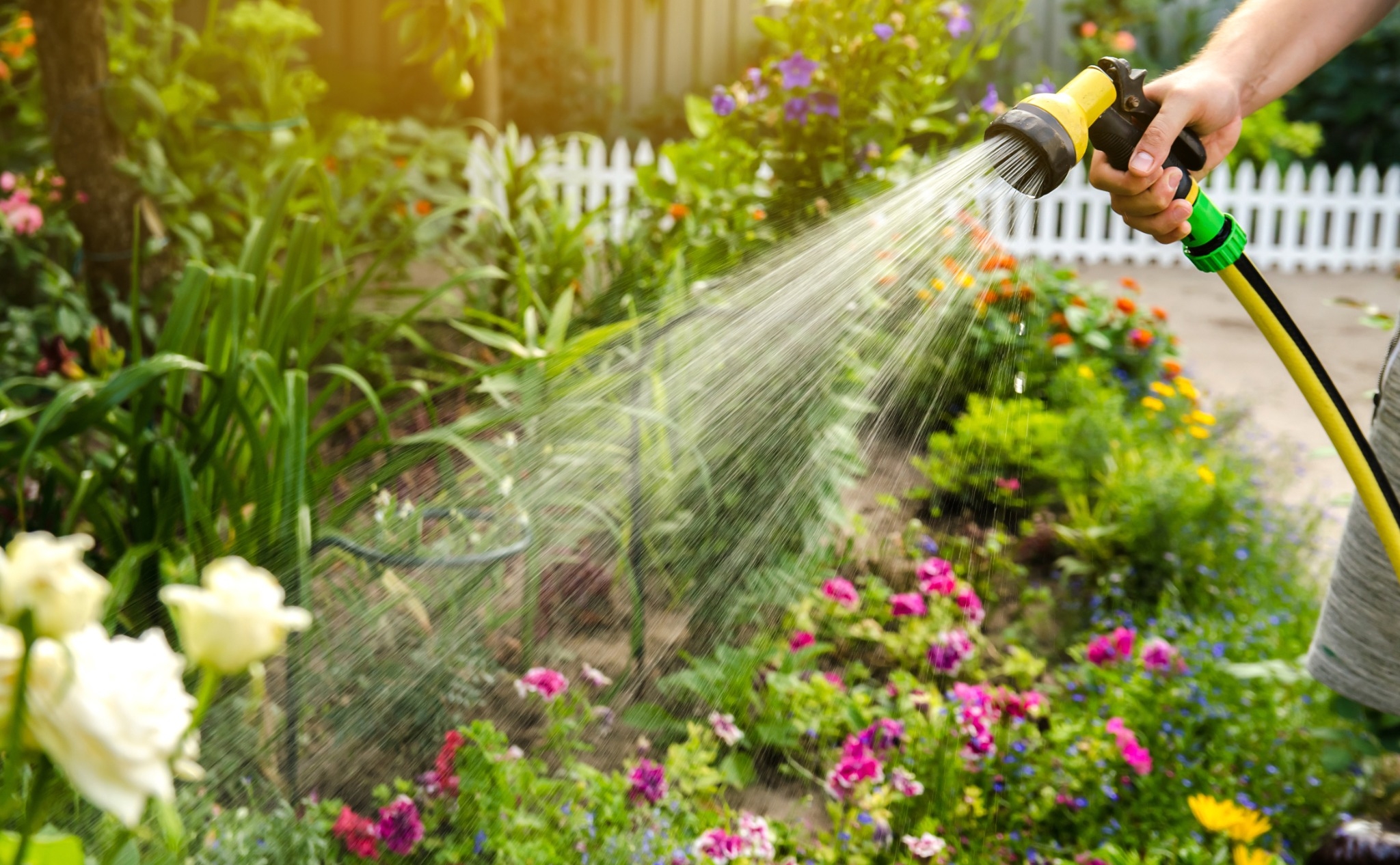
Outdoor water use is a major expense in many regions, and traditional sprinkler timers are often inefficient. Smart irrigation controllers adjust watering schedules based on weather, soil conditions, and seasonal changes.
Instead of watering on fixed schedules, these systems respond to actual need. Rain, temperature shifts, and humidity levels are factored in automatically.
According to EPA WaterSense, smart irrigation controllers can reduce outdoor water use significantly, especially in areas with high irrigation demand.
For homeowners with lawns or gardens, this is one of the clearest examples of smart tech delivering measurable savings.
Smart Doorbells and Security Devices That Lower Risk
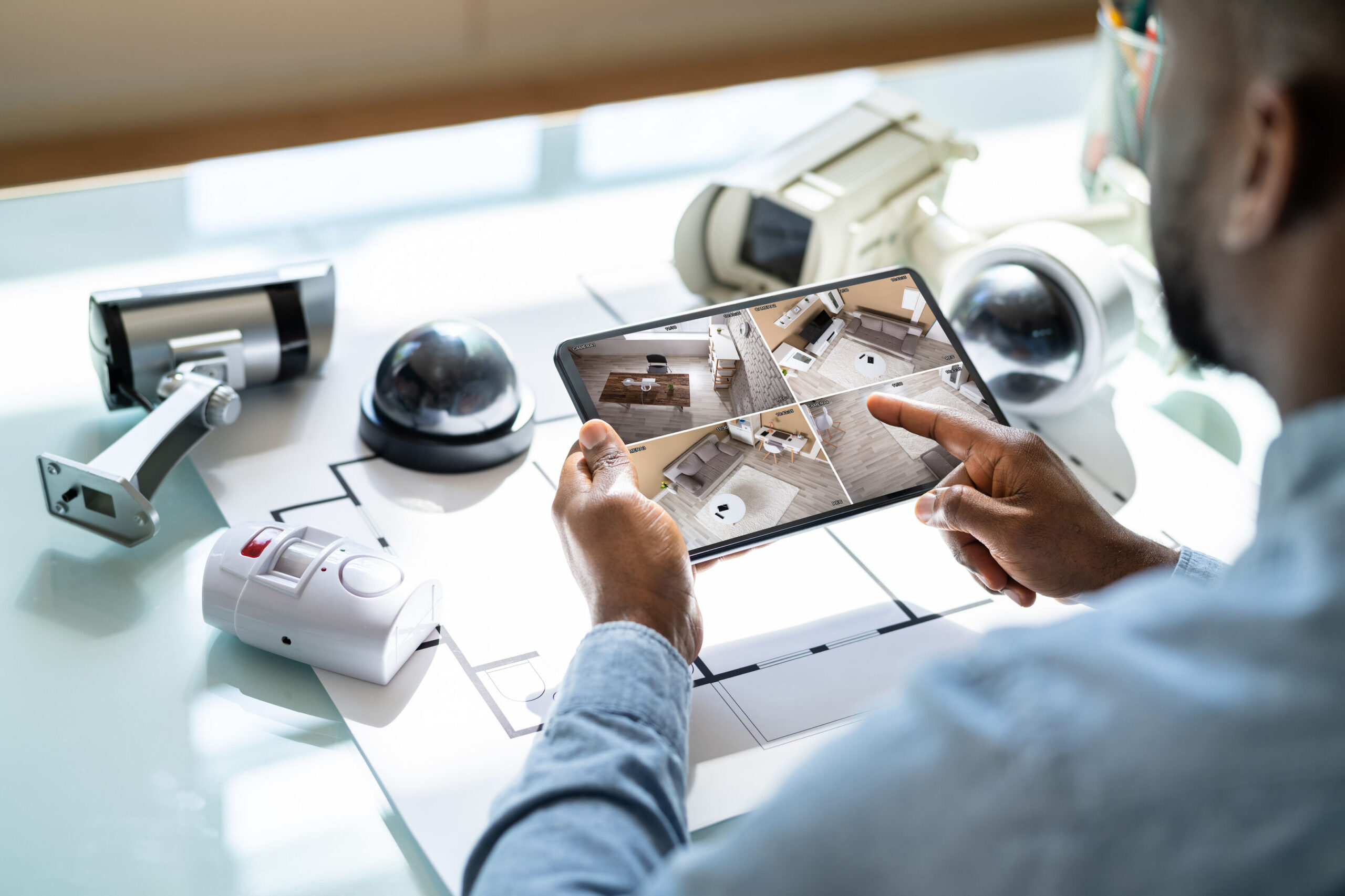
Smart doorbells and security cameras don’t directly reduce utility bills, but they can reduce financial risk. Visible security devices deter theft, package loss, and vandalism.
Some insurance providers offer discounts for homes with monitored security features. Even without discounts, preventing a single incident can offset the cost of the device.
According to Consumer Reports, smart security devices are most effective when used consistently rather than as novelty gadgets. Their value increases when paired with practical placement and alerts that are actually monitored.
Comparing Smart Home Features by Cost vs. Savings
Not all smart upgrades deliver the same type of return. This comparison highlights where savings typically come from.
| Smart Feature | Primary Savings Type | Long-Term Value |
|---|---|---|
| Smart thermostat | Lower energy bills | High |
| Smart lighting | Reduced electricity use | Medium to high |
| Smart power strips | Eliminate phantom power | Medium |
| Water leak sensors | Prevent costly damage | High |
| Smart irrigation | Lower water bills | High |
| Smart security | Risk reduction | Medium |
Focusing on features with ongoing or preventive value helps prioritize spending.
Why Simplicity Matters More Than Automation
One reason some smart homes fail to save money is complexity. Devices that require constant tweaking or manual overrides often get ignored.
The most cost-effective smart features run automatically and quietly. They reduce waste without asking for daily input. According to Bob Vila, smart upgrades that align with existing routines are far more likely to deliver real benefits.
If a device feels like work, it’s less likely to pay off.
Common Mistakes That Cancel Out Smart Savings
Buying too many devices at once is a common pitfall. When everything becomes “smart,” nothing feels manageable. Devices go unused, settings aren’t optimized, and savings disappear.
Another issue is failing to update software or settings. Many smart devices rely on updates to improve efficiency. Ignoring these can reduce effectiveness over time.
Finally, assuming all smart devices save money leads to disappointment. Entertainment-focused tech rarely offsets its cost through savings alone.
How to Choose Smart Upgrades That Fit Your Home
The best smart home features align with how you already live. Homes with high energy bills benefit most from thermostats and lighting. Homes with older plumbing benefit from leak detection. Homes with yards benefit from smart irrigation.
Starting with one or two targeted upgrades allows you to evaluate real savings before expanding.
Experts at HGTV often recommend addressing inefficiencies first, then layering in convenience features later if desired.
Smart Home Features and Long-Term Home Value
While appraisers don’t assign direct dollar values to smart devices, efficiency and protection features contribute to overall condition and appeal.
Energy-efficient homes tend to attract buyers who value lower operating costs. Leak prevention and safety features signal good maintenance.
Smart upgrades that are discreet and functional tend to age better than highly customized or flashy systems.
Renters and Smart Money-Saving Tech
Not all smart upgrades require permanent installation. Plug-in devices like power strips, bulbs, sensors, and thermostats designed for apartments can deliver savings without altering the property.
Portable smart tech allows renters to control costs while retaining flexibility. These devices can move with you, preserving their value across homes.
This makes smart savings accessible even without ownership.
When Smart Tech Isn’t Worth It
Smart upgrades are not always the best solution. In very small spaces or homes with already-low utility costs, savings may be minimal.
In those cases, basic efficiency improvements like weather stripping, LED bulbs, or maintenance may deliver better returns.
Technology should support efficiency, not replace common-sense upgrades.
Building a Smart Home That Pays You Back
A money-saving smart home doesn’t need to be fully automated or voice-controlled. It needs to be intentional.
Choosing features that reduce waste, prevent damage, and operate quietly creates real value. Over time, these small efficiencies add up to lower bills, fewer surprises, and less stress.
The smartest homes aren’t the ones with the most devices. They’re the ones where technology works in the background, saving money without asking for attention.
Making Smart Choices Without the Hype
Smart home marketing focuses on convenience and novelty because those are easy to sell. Savings require patience and realism.
By focusing on proven features backed by data and experience, homeowners can avoid gimmicks and invest in upgrades that matter.
Smart home technology works best when it’s invisible, efficient, and quietly doing its job.
Sources
https://www.consumerreports.org
https://www.thisoldhouse.com
https://www.energystar.gov
https://www.epa.gov/watersense
https://www.bobvila.com
https://www.hgtv.com
https://www.iii.org