Author: oberry
Table of Contents
- Living Room: Hide Clutter in Plain Sight
- Bedroom: Double-Duty Furniture and Hidden Helpers
- Kitchen: Make Every Inch Count
- Bathroom: Small Space, Big Potential
- Entryway: Control the Chaos
- Home Office: Streamline Without the Sterile Look
- Kid and Toy Storage: Make It Easy (and Cute)
- Laundry Room: Maximize Every Corner
- Stylish Storage on a Budget
Stylish Storage Solutions for Every Room (That Don’t Cost a Fortune): Affordable Ways to Organize Without Sacrificing Style
Storage doesn’t have to be expensive—or ugly. With the right approach, you can organize every room in your home and still keep things looking sleek, cozy, or totally on-brand with your aesthetic. These budget-friendly ideas prove that style and function can go hand-in-hand, no matter the size of your space (or your budget).
Living Room: Hide Clutter in Plain Sight
The living room is the heart of the home—and often the place where clutter collects the fastest. Smart storage helps keep things tidy while blending into your décor.
Easy Living Room Storage Hacks:
- Use storage ottomans: Perfect for blankets, toys, or board games. Bonus: extra seating!
- Repurpose baskets: Place under coffee tables or next to the couch to corral throws or magazines.
- Wall-mounted shelves: Add vertical storage without eating up floor space.
- Tray it up: Group remotes, coasters, and candles on a tray to make everyday clutter feel intentional.
| Storage Option | Best For | Budget Range |
|---|---|---|
| Woven baskets | Throws, books, toys | $10–$25 |
| Storage ottoman | Hidden, multi-use space | $30–$70 |
| Floating shelves | Decor + functional storage | $15–$40 |
Bedroom: Double-Duty Furniture and Hidden Helpers
Keeping the bedroom calm and clutter-free starts with smart furniture choices and hidden storage gems.
Bedroom Storage Solutions:
- Under-bed bins: Use rolling bins or baskets to store off-season clothes or extra linens.
- Use over-the-door organizers: Great for shoes, accessories, or even books.
- Nightstands with drawers: Look for options with storage instead of open shelves.
- Floating nightstands: Save floor space and create room for baskets underneath.
If you’re tight on space, furniture that does more than one job (like beds with built-in drawers) can be a total game-changer.
Kitchen: Make Every Inch Count
The kitchen is where function matters most—but that doesn’t mean you have to sacrifice style.
Smart Kitchen Storage:
- Tiered shelf risers: Double your cabinet space for spices or dishes.
- Wall hooks or magnetic strips: Hang utensils, pots, or knives within reach.
- Clear pantry bins: See what you have and keep categories grouped.
- Lazy Susans: Ideal for corners or upper cabinets—great for sauces and snacks.
You don’t need a full pantry makeover to get organized. Just a few small tools can totally change how you use the space.
Bathroom: Small Space, Big Potential
Bathrooms are usually tight on space—but rich with storage opportunities if you know where to look.
Bathroom Storage Ideas:
- Over-the-toilet shelves: Add vertical storage without remodeling.
- Drawer dividers: Corral makeup, skincare, or hygiene items by category.
- Wall baskets: Add visual interest while keeping towels or toilet paper accessible.
- Rolling carts: Ideal for shared or small bathrooms—tuck them into a corner when not in use.
Stick to one color palette or material type (like white bins or metal accents) to keep things feeling unified and polished.
Entryway: Control the Chaos
If your entryway is a dumping ground for shoes, bags, and keys, it’s time for a storage reset.
| Problem Area | Stylish Fix |
|---|---|
| Piles of shoes | Open shoe bench or baskets |
| Scattered keys/mail | Wall-mounted organizer or tray |
| Coats everywhere | Hooks or peg rails |
| Bags + backpacks | Cube cubbies or locker-style shelves |
Even if you only have a small wall or corner, a few intentional pieces can bring order to the chaos.
Home Office: Streamline Without the Sterile Look
Whether you work from home full-time or just need a spot for bills and documents, your office setup can be both functional and attractive.
Office Storage Tips:
- Desktop organizers: Use cups, trays, or drawer dividers to keep your workspace tidy.
- Stylish file boxes: Hide paperwork inside neutral bins or pretty magazine holders.
- Rolling carts: Keep supplies mobile and stash them away when not in use.
- Pegboards: Add hooks, clips, and cups for flexible wall storage with a modern twist.
Choose natural materials (wood, metal, woven textures) to add warmth and keep the space from feeling too office-like.
Kid and Toy Storage: Make It Easy (and Cute)
Toy clutter can get out of control fast. The key is making cleanup simple—for both kids and adults.
Kid-Friendly Storage:
- Labeled bins or cubbies: Use pictures or words to identify what goes where.
- Under-bed storage for toys: Great for large items like building blocks or puzzles.
- Book ledges: Display books facing forward so kids can choose easily.
- Stackable drawers or baskets: Adjust as your storage needs change.
Stick to colorful bins or fun labels to make cleanup feel more like a game.
Laundry Room: Maximize Every Corner
Even the tiniest laundry area can be neat and functional with the right tools.
- Wall-mounted drying racks: Fold down when needed, tuck away when not.
- Over-the-door organizers: Store detergents, dryer sheets, or cleaning tools.
- Labeled jars or canisters: Pour powder detergent or clothespins into glass jars for a clean, uniform look.
- Slim rolling carts: Fit perfectly between the washer and wall for storing supplies.
Small tweaks make the space feel more purposeful—and a little less like a chore zone.
Stylish Storage on a Budget
You don’t need custom closets or expensive furniture to organize your space beautifully. Most of the best storage ideas use items you already have or can grab affordably at a home store, thrift shop, or online.
Start small, stick to a consistent style or color palette, and focus on keeping things visible, accessible, and easy to maintain. You’ll stay more organized—and your home will look good doing it.
DIY

Home Services

Weather & Maintenance

Table of Contents
DIY Recycled Planters: Budget-Friendly Gardening Projects Using Old Containers
Looking for a creative, budget-friendly way to upgrade your garden or outdoor space? You don’t have to spend a lot—or anything at all. With a few everyday items and a little imagination, you can turn old containers, buckets, or crates into beautiful and functional planters. Not only do these DIY projects save money, but they also help reduce waste and add charm to your space. Discover how to reuse what you already have to create one-of-a-kind planters with personality.
Why Use Recycled Materials for Planters?
Using recycled containers for planters is a smart and eco-friendly way to garden.
- Saves Money: No need to buy expensive pots or planters when you can repurpose what you already own.
- Reduces Waste: Keeps items out of landfills and gives them a second life.
- Adds Unique Style: Each planter becomes a one-of-a-kind piece that reflects your creativity and personality.
- Fun for the Whole Family: These projects are simple and great for getting kids involved in gardening.
What Can Be Reused as a Planter?
Just about anything that holds soil and has drainage potential can become a planter. Look around your home or garage—you might already have everything you need.
Great Items to Reuse as Planters:
- Old buckets or mop pails
- Wooden crates or wine boxes
- Coffee cans or large food tins
- Colanders or metal bowls
- Drawer organizers or old dresser drawers
- Worn-out rain boots or shoes
- Plastic containers (milk jugs, storage tubs)
- Mason jars or glass bottles
- Tires, toolboxes, or baskets
How to Turn Old Items into Planters
Transforming these items into planters is easier than you might think.
Step 1: Clean It Up
Give the item a good rinse or scrub to remove dirt, dust, or any old residue. This helps protect your plants and makes the finished project look nicer.
Step 2: Add Drainage
Most plants don’t like soggy roots. If your container doesn’t already have holes, drill or poke a few in the bottom. For metal or plastic containers, a standard drill works well. For wood, use a hammer and nail.
Step 3: Line or Paint (Optional)
If your container is made of wood or metal, you might want to line it with a plastic bag with holes poked in it to keep moisture in without damaging the container.
Painting or decorating your planter is a fun way to make it match your space. Use outdoor or waterproof paint for long-lasting color.
Step 4: Add Soil and Plants
Fill the bottom with small rocks or gravel for extra drainage, then add potting soil and your choice of plants.
Easy DIY Planter Ideas to Try
Painted Tin Can Planters
Clean out large soup or coffee cans, drill a hole in the bottom, and paint them in bright colors or patterns. Line them along a windowsill, balcony, or patio.
Crate Garden Boxes
Old wooden crates make great rustic planters for herbs or flowers. Line with landscape fabric and fill with soil. Stack them for a vertical garden or lay side by side.
Colander Hanging Basket
Colanders already have built-in drainage! Attach chains or rope to the handles and hang them as quirky planters filled with trailing flowers or herbs.
Drawer Planters
An old dresser drawer becomes a raised flower bed with a little sanding and sealing. Great for shallow-rooted plants like lettuce, pansies, or succulents.
Shoe and Boot Planters
Kids’ rain boots or old sneakers make cute, compact planters. Drill holes in the soles, fill with dirt, and plant colorful blooms for a fun garden accent.
Milk Jug Herb Pots
Cut a milk jug in half, poke drainage holes in the bottom, and decorate the outside. These lightweight containers are perfect for growing herbs on a windowsill.
Toolbox Garden
An old metal or plastic toolbox makes a rugged planter for succulents or small flowers. Open the lid, drill holes, and fill each compartment for a layered look.
Tips for Success
Use the Right Soil
Different plants need different types of soil. Use potting mix for flowers and vegetables, or cactus mix for succulents.
Label Your Planters
Add homemade labels or tags to keep track of what’s planted where, especially in herb or veggie gardens.
Water Wisely
Since many DIY containers are smaller than traditional pots, they may dry out faster. Keep an eye on moisture and water regularly.
Rotate and Refresh
Switch out plants with the seasons, or repaint containers now and then for a new look without starting over.
Final Insights
You don’t need fancy supplies or a big budget to start a garden. With a little time and creativity, you can transform recycled containers into unique, eco-friendly planters that add color and personality to your outdoor (or indoor) space. So before you toss that old bucket or drawer, give it another look—it might just be your next garden masterpiece.
DIY
Home Services
Weather & Maintenance
Table of Contents
Budget-Friendly Tips for Outdoor Entertaining This Spring and Summer
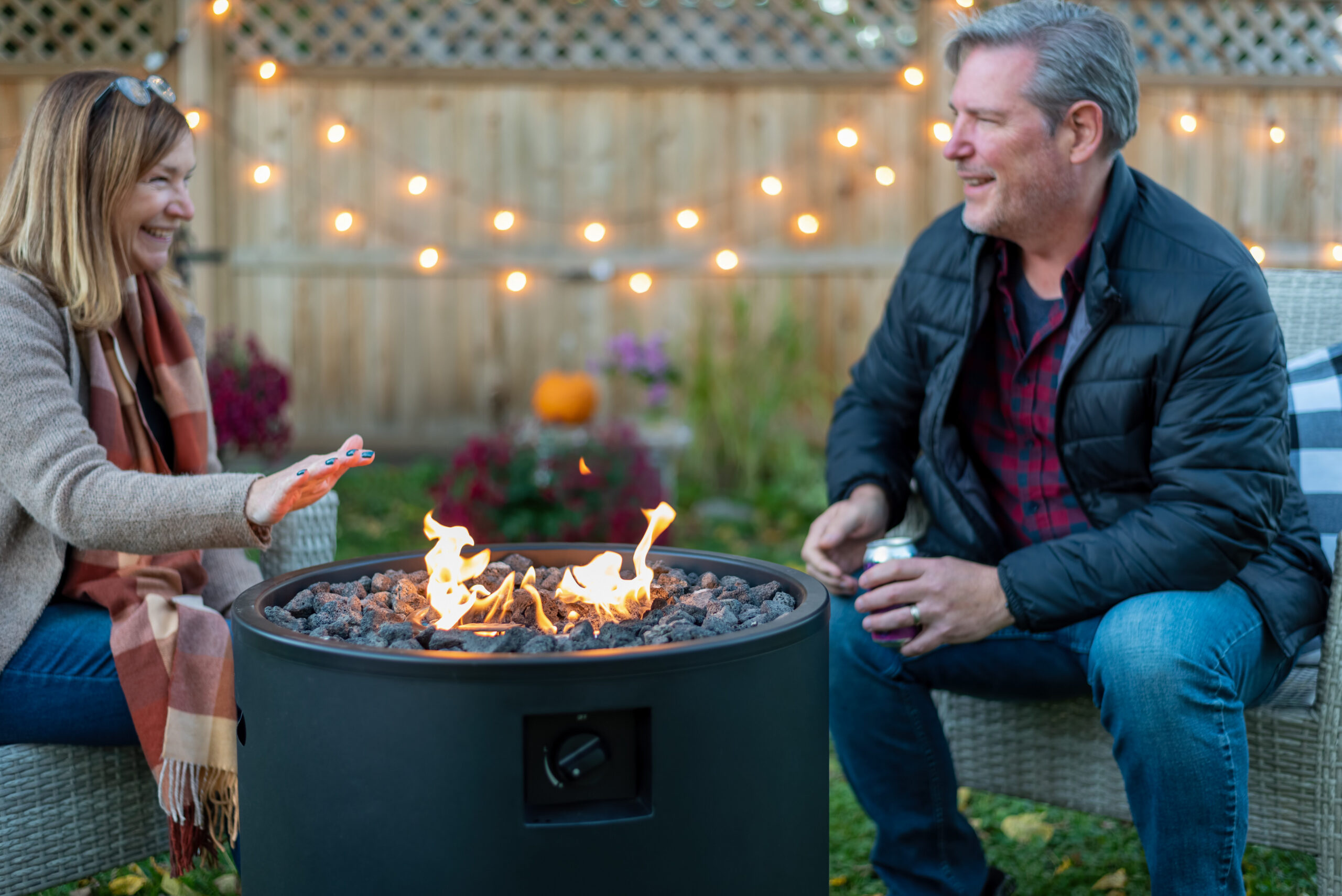
Hosting friends and family outdoors during the warmer months doesn’t have to cost a fortune. With a little creativity and planning, you can throw stylish, fun backyard gatherings without stretching your budget. Whether you’re planning a casual BBQ, a birthday party, or just a relaxed evening with neighbors, these affordable decor, lighting, and food ideas will help you entertain in style this spring and summer.
Set the Mood with Inexpensive Decor
Creating an inviting atmosphere doesn’t require a trip to an expensive home store. You can decorate your backyard beautifully using simple, low-cost items.
DIY Table Settings – Use kraft paper or fabric remnants as table runners. Add mason jars or small vases with fresh flowers, herbs, or greenery from your yard. Use mismatched plates and utensils for a casual, charming vibe.
Thrift Store Finds – Shop secondhand stores for outdoor-friendly decorations like candle holders, baskets, trays, or colorful linens.
Themed Touches – Pick a theme like tropical, rustic, or garden party and add inexpensive elements to match. Use dollar store items like paper lanterns, tropical straws, or mini chalkboard signs to pull it together.
Affordable Outdoor Lighting Ideas
Lighting plays a huge role in setting the mood, especially for evening events. You don’t need hardwired fixtures—just a few budget-friendly lighting options to create that perfect glow.
String Lights – Drape outdoor string lights across fences, trees, or a pergola. Battery-powered or solar options work well and cost little to run.
Mason Jar Lanterns – Fill jars with tea lights or battery-powered candles and hang them from trees or place them on tables.
Tiki Torches or Solar Stakes – These add ambiance and help keep bugs away. Look for budget packs at big box or hardware stores.
DIY Luminaries – Use paper bags, sand, and candles to create glowing paths or table accents for evening events.
Easy and Budget-Friendly Food Ideas
Feeding a crowd doesn’t have to mean spending hours in the kitchen or shelling out for catering. Keep your menu simple and seasonal to save money and keep things stress-free.
Potluck-Style Meals – Ask guests to bring a side dish, drink, or dessert. This reduces your prep work and gives everyone a chance to contribute.
Grill the Basics – Stick with budget-friendly proteins like hot dogs, burgers, chicken thighs, or veggie skewers. Add simple marinades for extra flavor.
Seasonal Sides – Make use of fresh, affordable produce with sides like corn on the cob, pasta salad, watermelon wedges, or grilled vegetables.
DIY Food Bars – Set up a taco bar, burger bar, or build-your-own hot dog station. Provide basic toppings and let guests customize their plates.
Make-Ahead Desserts – Bake cookies, brownies, or mini fruit tarts the day before. Or go extra simple with popsicles, ice cream sandwiches, or a DIY sundae station.
Keep Beverages Simple and Refreshing
Skip the expensive drink options and stick to crowd-pleasing basics.
Infused Water – Add sliced lemons, cucumbers, or berries to pitchers of ice water for a refreshing touch.
Iced Tea or Lemonade – Brew tea in bulk and serve with fresh mint or citrus slices. Powdered lemonade mixes can be dressed up with herbs and fresh fruit.
Coolers with Ice – Set out drink tubs or coolers with canned sodas, water bottles, or a few adult beverages for easy access.
Signature Pitcher Drink – Make one big-batch cocktail or mocktail (like sangria or sparkling fruit punch) to serve everyone without mixing individual drinks.
Keep Guests Comfortable
Simple touches can make your backyard feel like a cozy outdoor lounge.
Blankets and Pillows – Throw down some blankets or floor cushions for picnic-style seating. Use throw pillows from inside your house to add color and comfort.
Shade Solutions – Set up umbrellas, pop-up tents, or even DIY a shade canopy with bedsheets or tablecloths strung between trees or poles.
Bug Control – Keep mosquitoes away with citronella candles, essential oil sprays, or by offering guests bug spray.
Fans or Misters – Use box fans or handheld misting bottles to keep cool during hot afternoons.
Fun and Games for All Ages
Keep your guests entertained with easy, low-cost activities.
Lawn Games – Set up cornhole, bocce ball, frisbee, or ring toss. If you don’t have these games, make your own using basic supplies.
Sidewalk Chalk and Bubbles – Great for keeping younger kids busy. Set out chalk for hopscotch or bubble wands and let them play nearby.
Card or Board Games – Bring a few games outside for people to play at the table or on a blanket.
Music Playlist – Set the vibe with a playlist of relaxing or upbeat songs. Use a Bluetooth speaker for portable sound without needing a big sound system.
Final Insights
Outdoor entertaining in spring and summer doesn’t have to come with a big price tag. With some planning, DIY creativity, and smart shopping, you can create a welcoming, festive space for your friends and family to enjoy. Stick to simple, seasonal foods, affordable decor, and laid-back fun to make your backyard the place to be all season long. Whether it’s a weekend cookout or a casual evening hangout, the best gatherings are the ones filled with good company and relaxed vibes—no fancy extras needed.
DIY
Home Services
Weather & Maintenance
Table of Contents
Cheap Home Internet Options: How to Stay Connected Without Breaking the Bank
Having reliable internet isn’t a luxury anymore—it’s a necessity. But with prices climbing, finding cheap home internet options can feel like an endless search. Luckily, there are still ways to score affordable internet without sacrificing too much speed or reliability.
Here’s a complete breakdown of the best budget-friendly home internet choices and how to get the most bang for your buck.
Why Affordable Internet Matters
These days, you need a good connection for everything: working from home, streaming your favorite shows, video calls with family, online shopping—you name it. And with many homes juggling multiple devices at once, having decent internet on a budget is more important than ever.
Affordable internet can help:
- Close the digital divide
- Make remote work and school accessible
- Save you hundreds of dollars a year
- Give you freedom from overpriced bundles
Best Cheap Home Internet Providers
Here’s a look at some of the best deals currently out there for affordable internet:
| Provider | Starting Price | Speed | Best For |
|---|---|---|---|
| Xfinity Connect | $20/month | 75 Mbps | Light users, basic streaming |
| AT&T Internet Air | $35/month | 100 Mbps (fixed wireless) | Rural users, moderate browsing |
| T-Mobile Home Internet | $40/month (with autopay) | 100–200 Mbps | Households needing mobility |
| Spectrum Internet Assist | $19.99/month | 30 Mbps | Low-income families, seniors |
| Verizon Fios Prepaid | $50/month | 300 Mbps | Fast speed, no credit check |
| Optimum Fiber | $40/month | 300 Mbps | High-speed browsing and streaming |
How to Find Even Cheaper Internet
Sometimes it’s not just about the plan—it’s about knowing the tricks to save even more. Here are a few smart moves:
Use Government Assistance Programs
The Affordable Connectivity Program (ACP) offers eligible households up to $30/month off their internet bill (and up to $75/month if you live on Tribal lands).
You qualify if you:
- Receive Medicaid, SNAP, SSI, or Federal Public Housing Assistance
- Have income at or below 200% of the federal poverty guidelines
- Participate in the National School Lunch Program
Pro Tip: Some providers even offer free internet plans once the ACP discount is applied!
Bundle Smartly
Some providers will slash your internet cost if you also get basic TV, phone, or mobile service—but only if you need those services. Otherwise, bundling can sneak in unnecessary fees.
Negotiate With Your Current Provider
Don’t underestimate the power of asking. Many companies offer promotional rates or retention discounts to customers who threaten to cancel or switch.
Script Tip:
“I noticed [competitor] is offering $30/month for faster service. Can you match that or offer a discount to stay with you?”
Things to Watch Out For
Low-cost internet sounds great, but watch for hidden pitfalls:
| Red Flag | Why It Matters |
|---|---|
| Data Caps | You might pay extra if you use too much data |
| Promo Pricing Only | Intro rates usually jump after 12 months |
| Equipment Rental Fees | Router/modem fees can add $10–$15/month |
| Contract Lock-Ins | Early termination fees can be steep |
Before signing up, ask for the full list of fees and what your monthly bill will be after promotions end.
Mobile Hotspot Alternatives
If you don’t need a full-blown home connection and just want light browsing or basic streaming, a mobile hotspot could work.
Here are a few popular prepaid mobile hotspot options:
| Carrier | Hotspot Plan | Cost | Data Allowance |
|---|---|---|---|
| T-Mobile Prepaid | 10GB for $30 | $30/month | 10GB |
| Visible by Verizon | Unlimited hotspot (5 Mbps) | $45/month | Unlimited (capped speed) |
| AT&T Prepaid Data Only | 15GB for $35 | $35/month | 15GB |
Mobile hotspots are ideal for solo users, travelers, or very small households.
How Much Speed Do You Really Need?
Choosing the right speed can save you money. Here’s a quick cheat sheet:
| Usage | Recommended Speed |
|---|---|
| Email, browsing | 10–25 Mbps |
| HD video streaming | 25–50 Mbps |
| Online gaming | 50–100 Mbps |
| 4K video streaming, smart home | 100–300 Mbps |
| Work from home (Zoom + uploads) | 50–100 Mbps |
No need to pay for 1 Gigabit speeds if you’re just sending emails and watching Netflix.
Affordable Internet Is Closer Than You Think
You don’t have to shell out $100+ a month to stay connected. Between budget-friendly providers, government programs, and negotiation tactics, there are plenty of ways to get fast, reliable internet on the cheap.
Just remember: always read the fine print, think about how much speed you actually need, and don’t be afraid to shop around. The best deal might be just a phone call—or a few clicks—away.